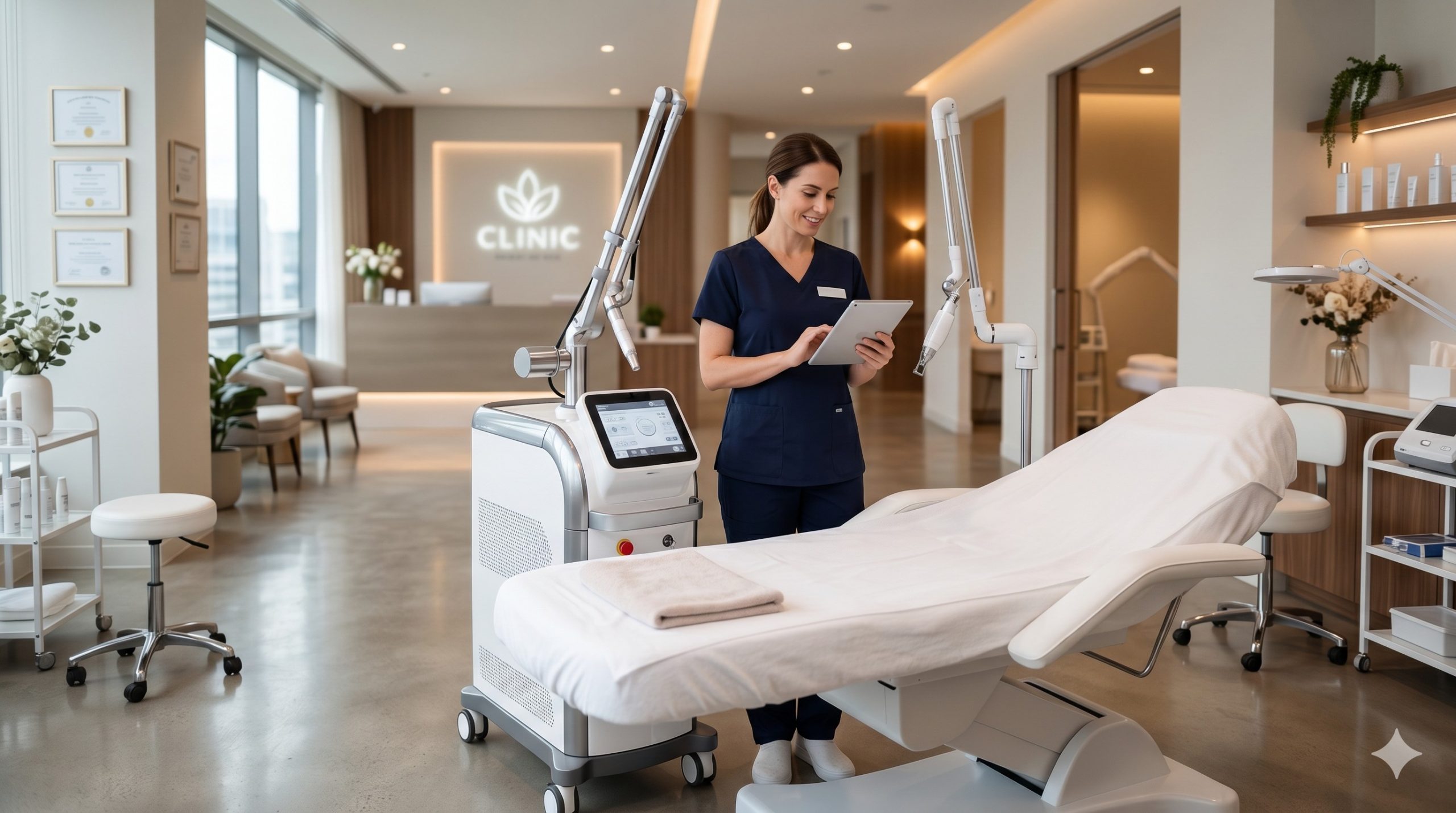
Overview
Investing in a medical aesthetic device is a significant operational and financial decision for any dermatology clinic or medical spa. This FAQ addresses the most critical pre-sales and post-sales questions from B2B buyers, covering everything from warranty and training to consumable management and patient safety protocols. Our goal is to provide the clarity needed to make a confident, informed investment.
Frequently Asked Questions
Q1: What is the standard warranty coverage for a new medical aesthetic device?
A comprehensive warranty for a new medical aesthetic device typically covers all core components, including the generator, handpiece, and touchscreen UI, for a period of 12 to 24 months. This coverage generally includes parts and labor for any manufacturing defects or non-consumable component failures, with the specific terms and exclusions detailed in the purchase contract. It is crucial to distinguish between the full system warranty and the limited warranty on consumable parts like the laser flashlamps or handpiece windows, which have separate lifespans.
Q2: What training and clinical support are provided post-purchase?
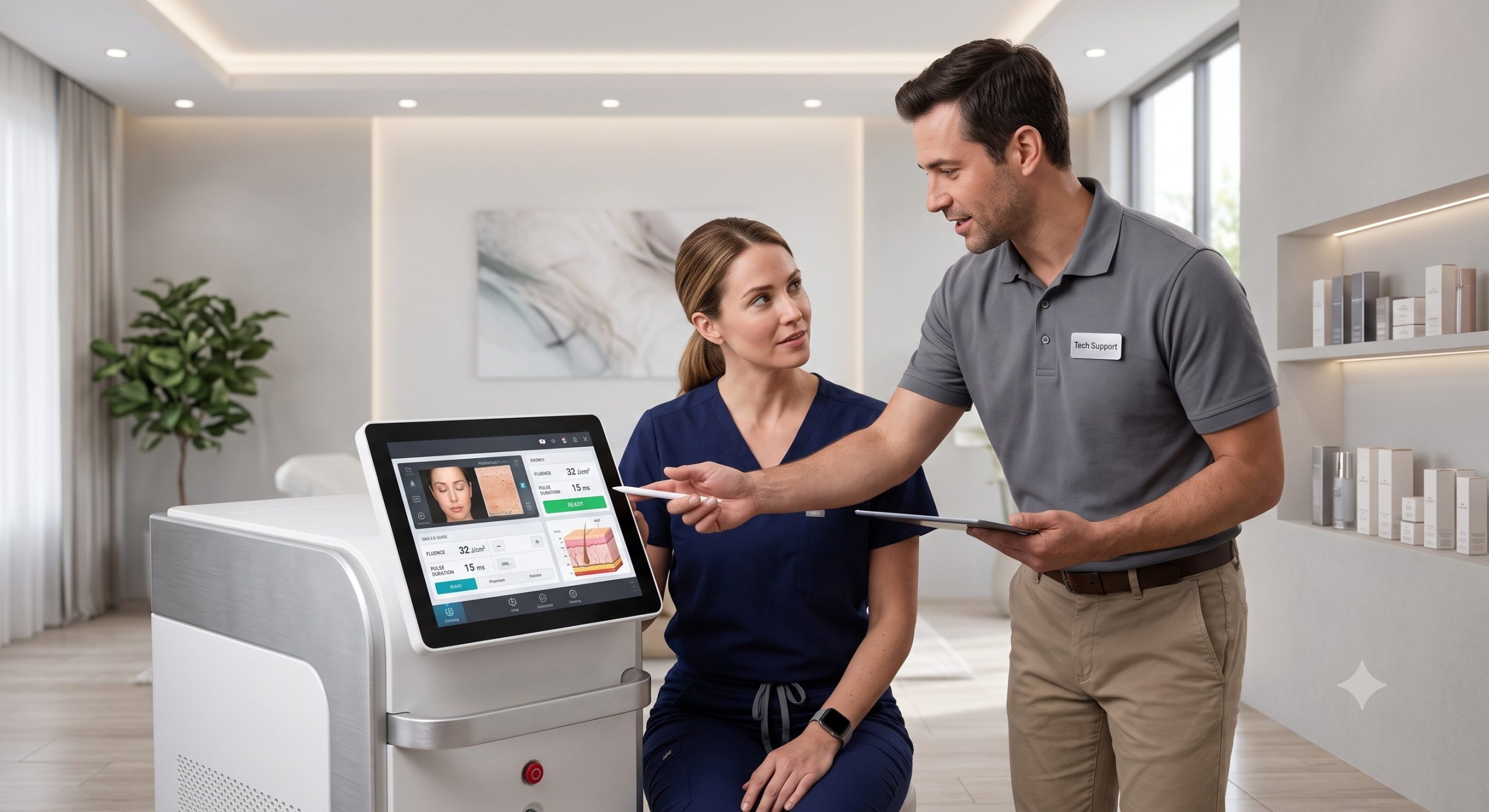
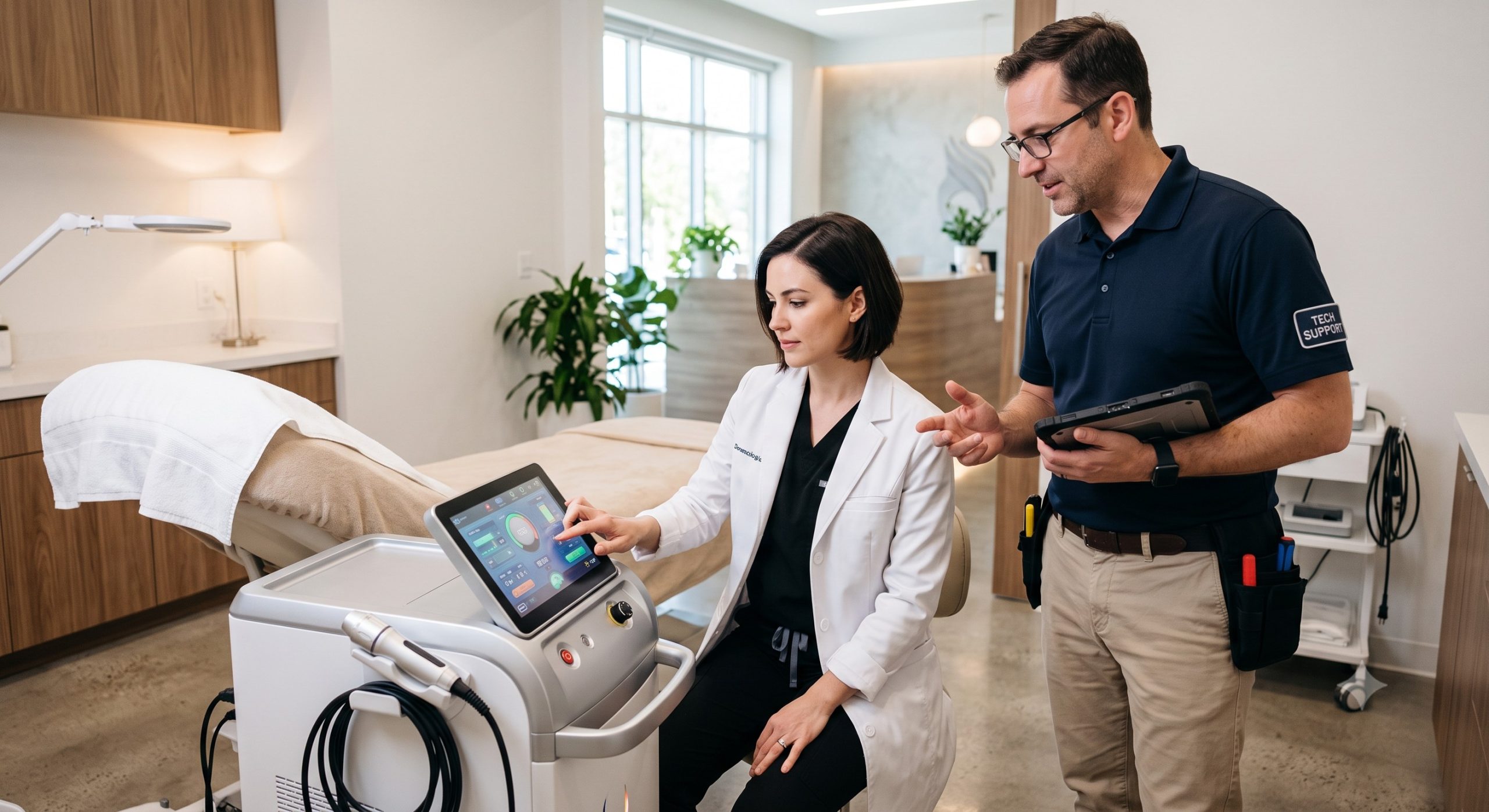
Reputable B2B suppliers include comprehensive on-site or virtual training for physicians and clinical staff as a standard part of the package. This training covers device operation, treatment parameter selection for different skin types and conditions, safety protocols, and basic troubleshooting to ensure immediate clinical integration. Ongoing support should include access to a dedicated technical support hotline, remote diagnostic capabilities, and a library of clinical resources for continuous education.
Q3: What are the key clinical safety features for treating all skin types?
Modern medical aesthetic devices utilize advanced technologies like integrated contact cooling and large, precise spot sizes to ensure epidermal protection and safe energy delivery across all Fitzpatrick skin types (I-VI). The contact cooling system actively cools the skin’s surface before, during, and after the laser pulse, minimizing the risk of burns or hyperpigmentation, especially in darker skin types. Additionally, sophisticated software algorithms and preset protocols automatically adjust energy parameters to match the specific skin phototype, providing an extra layer of safety.
Q4: How do we calculate the ROI and operational costs of a new device?
Calculating ROI involves analyzing the average revenue per treatment, the number of procedures performed daily, and the device’s payback period against its total cost of ownership. The primary operational costs are consumables, such as the handpiece, which has a finite number of shots, and the electricity required for operation, which is often minimal. A well-utilized device in a busy med spa or dermatology clinic can often achieve a return on investment within 6 to 12 months, with the low consumable expenditure contributing to high per-treatment margins.
Q5: What is the expected lifespan of a handpiece and its consumables?
The typical lifespan of a premium medical aesthetic device handpiece is between 500,000 and 1,000,000 pulses (shots), depending on the specific model and technology. This is a critical factor in calculating long-term operational costs and scheduling replacements to avoid downtime. Consumables like the cooling fluid or external treatment tips, if applicable, have their own replacement schedules, which are clearly defined in the user manual and should be adhered to for optimal performance.
Q6: What are the essential daily and weekly maintenance protocols?
Essential daily maintenance includes visually inspecting the handpiece and treatment window for any debris or damage, as well as checking the water level in the internal cooling circuit. Weekly maintenance typically involves a more thorough cleaning of the device’s exterior and the treatment area, and running a system diagnostic check if available. Adhering to these simple protocols ensures consistent energy output, prevents overheating, and significantly extends the lifespan of the device, preserving your capital investment.