Overview
Investing in a fractional laser machine is a significant decision for any aesthetic clinic. This FAQ guide addresses the most critical pre-sales and post-sales questions from clinic owners and dermatologists, covering everything from skin type compatibility to technical maintenance and ROI. We provide clear, expert answers to help you make an informed purchase and optimize your clinical outcomes.
Frequently Asked Questions
Q1: Is a fractional laser machine suitable for all Fitzpatrick skin types?
Yes, a modern fractional laser machine is safe and effective for Fitzpatrick skin types I-VI, provided the device features advanced cooling mechanisms and adjustable energy settings. The key to treating darker skin types (IV-VI) lies in the machine’s ability to deliver targeted energy with minimal thermal damage to the epidermis, achieved through sophisticated contact cooling and adjustable pulse durations. We recommend performing a test spot and starting with lower energy parameters to ensure optimal safety and efficacy.
Q2: What is the typical handpiece lifespan of a fractional laser machine?
The typical handpiece lifespan of a high-quality fractional laser machine is between 40,000 and 100,000 shots, depending on the model and manufacturer specifications. This endurance ensures long-term reliability and consistent performance. Routine maintenance, such as cleaning the handpiece window after each use, is crucial to achieving the maximum shot count and maintaining optimal energy output.
Q3: What is the clinical ROI and payback period for a fractional laser machine?
A fractional laser machine can achieve a clinical ROI within 6 to 12 months, based on an average of 5-10 treatments per week. The payback period is significantly influenced by the machine’s low consumable expenditure and minimal maintenance costs. To maximize profitability, clinics can price treatments between $300-$800 per session, with the machine’s durable components ensuring high throughput with low ongoing costs.
Q4: What are the key advantages of a fractional laser machine compared to older IPL technologies?
A fractional laser machine offers superior efficacy for deep skin rejuvenation, scar revision, and pigmentation treatment compared to older IPL systems. Unlike IPL, which emits broad-spectrum light, a fractional laser uses a focused wavelength that penetrates deeper into the dermis to stimulate collagen production. This targeted approach results in more significant and longer-lasting clinical outcomes for wrinkles, acne scars, and photoaging with fewer overall sessions.
Q5: What pre-sales technical support and compliance standards should I expect?
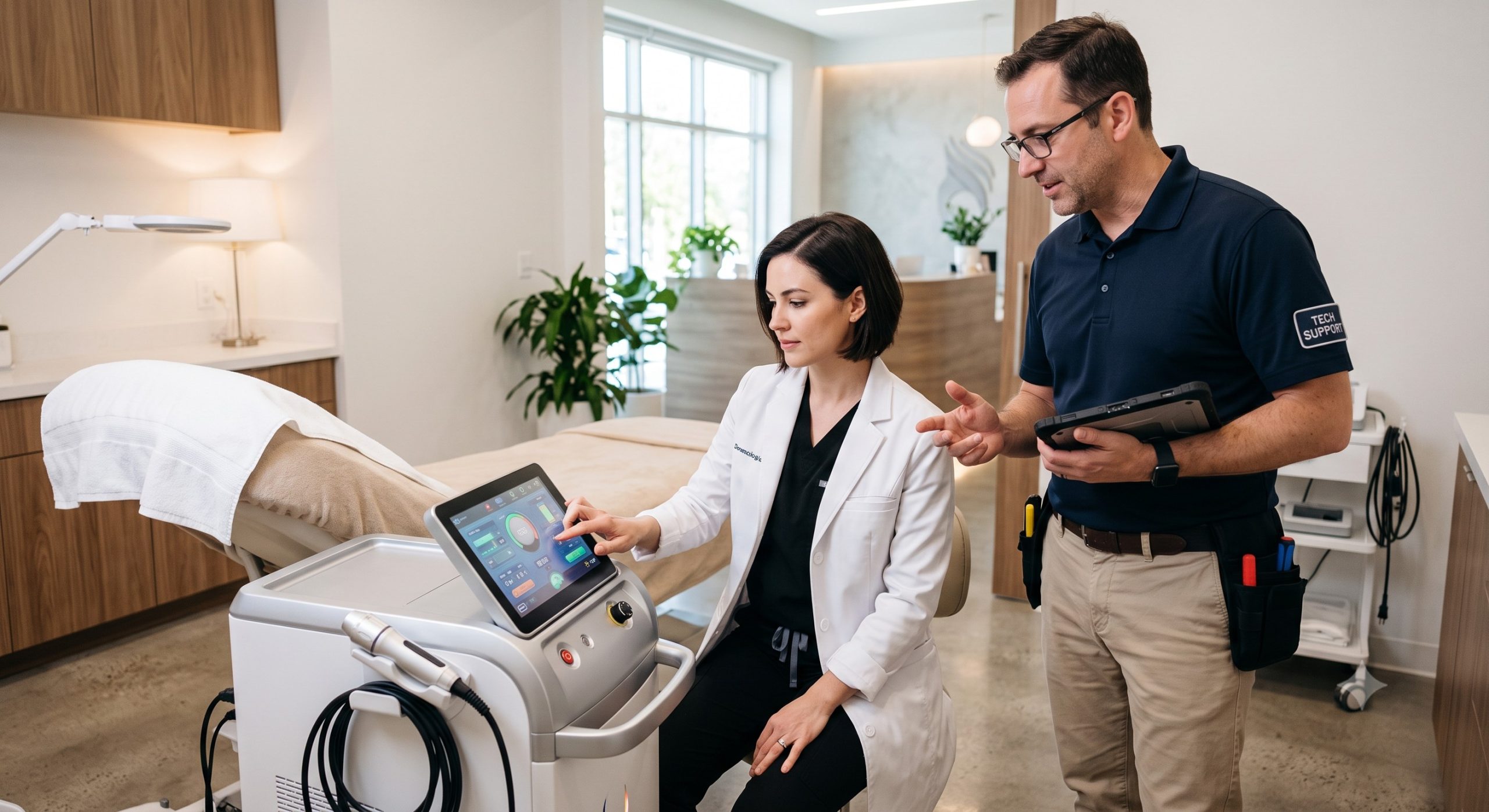
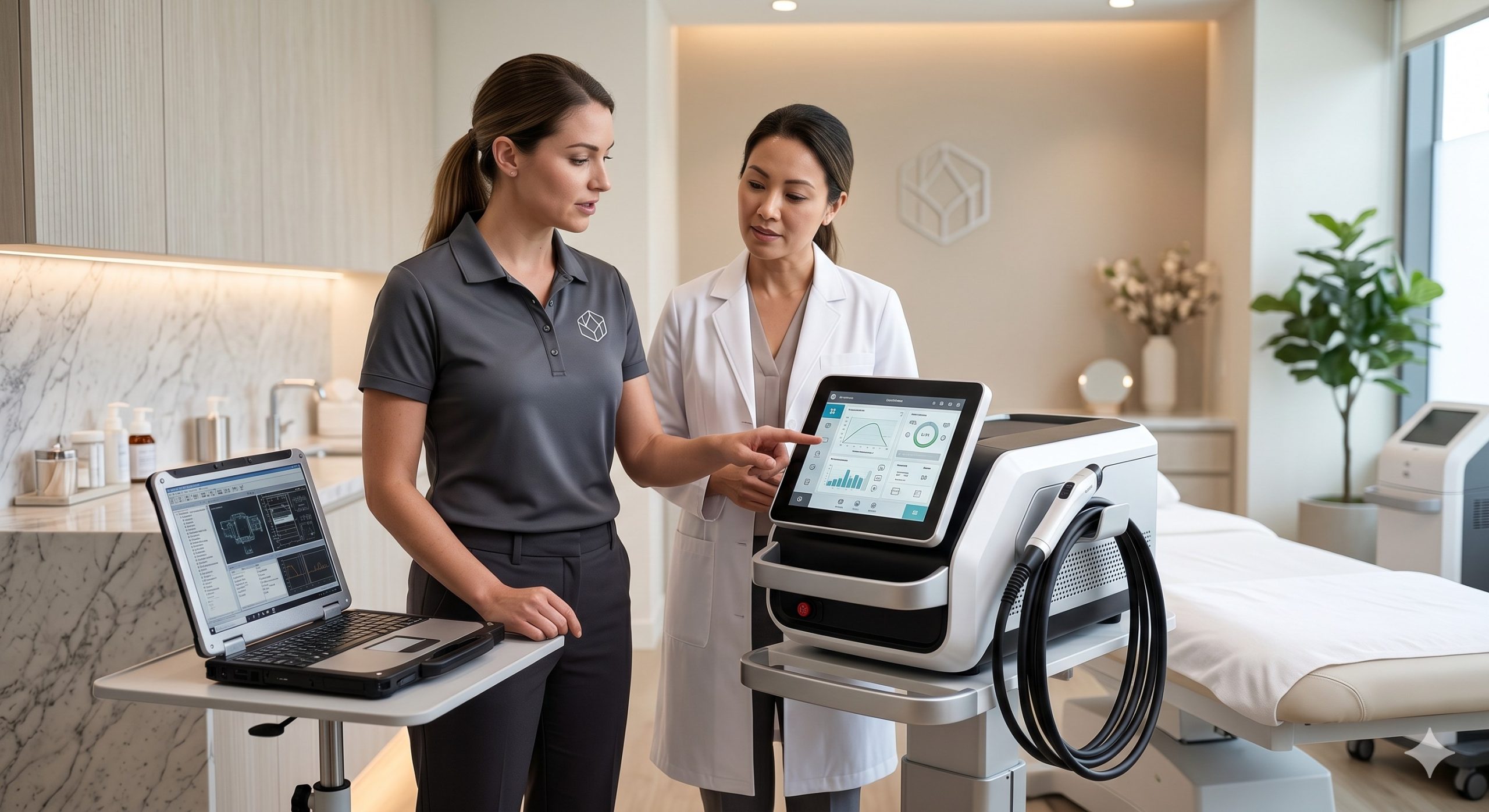
You should expect comprehensive pre-sales technical support, including detailed documentation on medical CE and FDA compliance standards for your fractional laser machine. Reputable suppliers will provide full regulatory certification, including ISO 13485, and offer a thorough technical evaluation of your clinic’s electrical and cooling infrastructure. They will also provide a detailed warranty, training, and shipping logistics plan as part of your purchase.
Q6: How does the water circulation system maintain thermal regulation in a fractional laser machine?
The water circulation system in a fractional laser machine is critical for maintaining precise thermal regulation and cooling internal components to prevent overheating. This closed-loop system dissipates heat from the laser cavity and handpiece, ensuring stable energy output and extending the lifespan of the expensive optical components. Regular maintenance, including checking coolant levels and cleaning filters, is essential to prevent performance degradation.
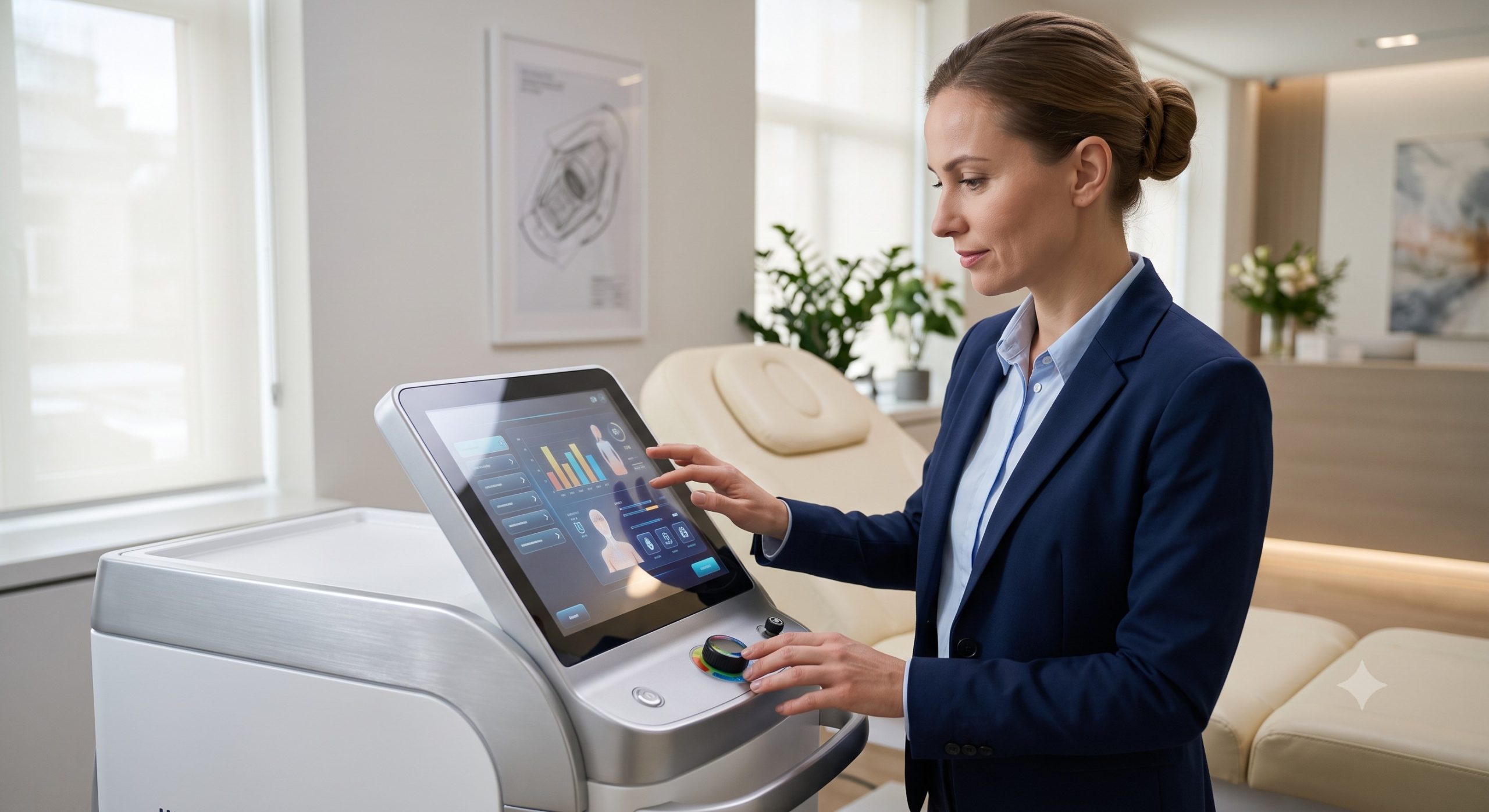
Q7: What operational training and UI features are available for a fractional laser machine?
Operational training for a fractional laser machine includes comprehensive sessions on parameter settings, treatment protocols, and smart touchscreen UI navigation. The smart interface typically features preset protocols for different skin types and indications, simplifying operation. Clinical training is also provided to ensure operators can confidently adjust energy, density, and scanning patterns to deliver safe and effective treatments.