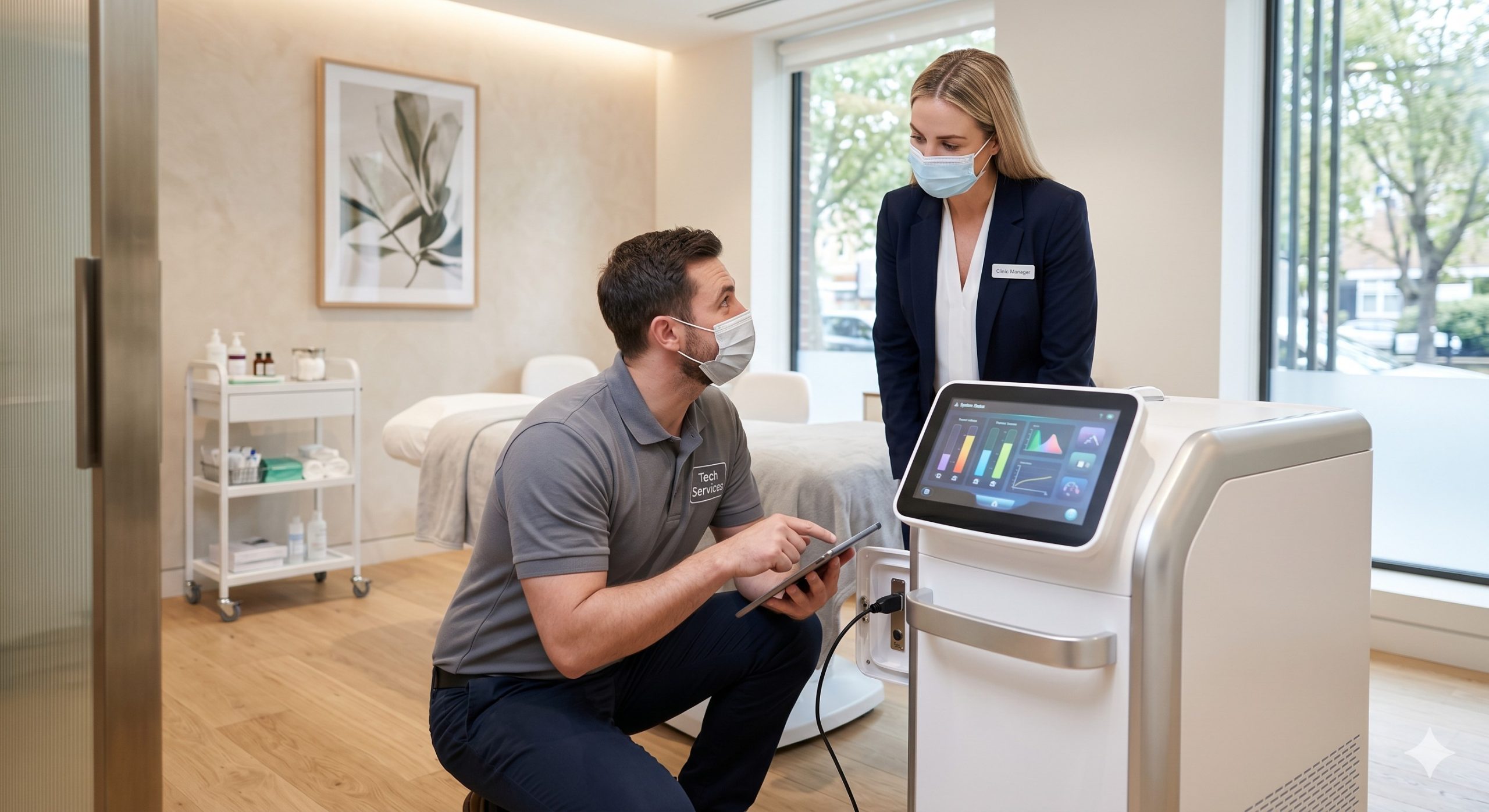
Overview
Investing in aesthetic laser equipment is a critical decision for any medical spa or dermatology clinic. This FAQ guide is designed for B2B buyers and technical support professionals, addressing high-intent questions regarding clinical efficacy, return on investment, operator training, and long-term maintenance. We cut through the marketing jargon to deliver the technical and commercial clarity you need before making a capital investment.
Frequently Asked Questions
Q1: What is the typical return on investment (ROI) and payback period for aesthetic laser equipment?
The typical payback period for a high-quality aesthetic laser is between 6 to 18 months, depending on your clinic’s patient volume and pricing strategy. This ROI is calculated by assessing the average revenue per treatment session (e.g., $300-$600) minus the low consumable costs (which average under $5 per patient). High-throughput devices with larger spot sizes reduce treatment times, allowing clinics to perform more sessions daily, thereby accelerating ROI and increasing profitability.
Q2: What are the most critical technical specifications to evaluate for clinical efficacy?
The most critical specifications are wavelength(s), spot size, and energy density (fluence). Specific wavelengths (e.g., 755nm, 810nm, 1064nm) target different chromophores like melanin and hemoglobin, providing synergy for stubborn follicles or vascular lesions. A larger adjustable spot size (up to 24mm) allows for faster epidermal cooling and deeper tissue penetration. High energy density ensures effective selective photothermolysis, maximizing clearance rates while minimizing the number of required patient sessions.
Q3: How does the advanced contact cooling system ensure patient safety and comfort?
Advanced contact cooling systems, such as sapphire tip thermoelectric cooling, ensure epidermal protection by rapidly reducing skin surface temperature before, during, and after the laser pulse. This technology allows for the safe application of higher fluences necessary for efficacy without the risk of thermal burns. By maintaining the epidermis at a consistent 0 to 5 degrees Celsius, it minimizes pain, eliminates the need for topical anesthetics, and enhances patient comfort and retention.
Q4: What does the warranty cover, and what type of technical support is provided post-sale?
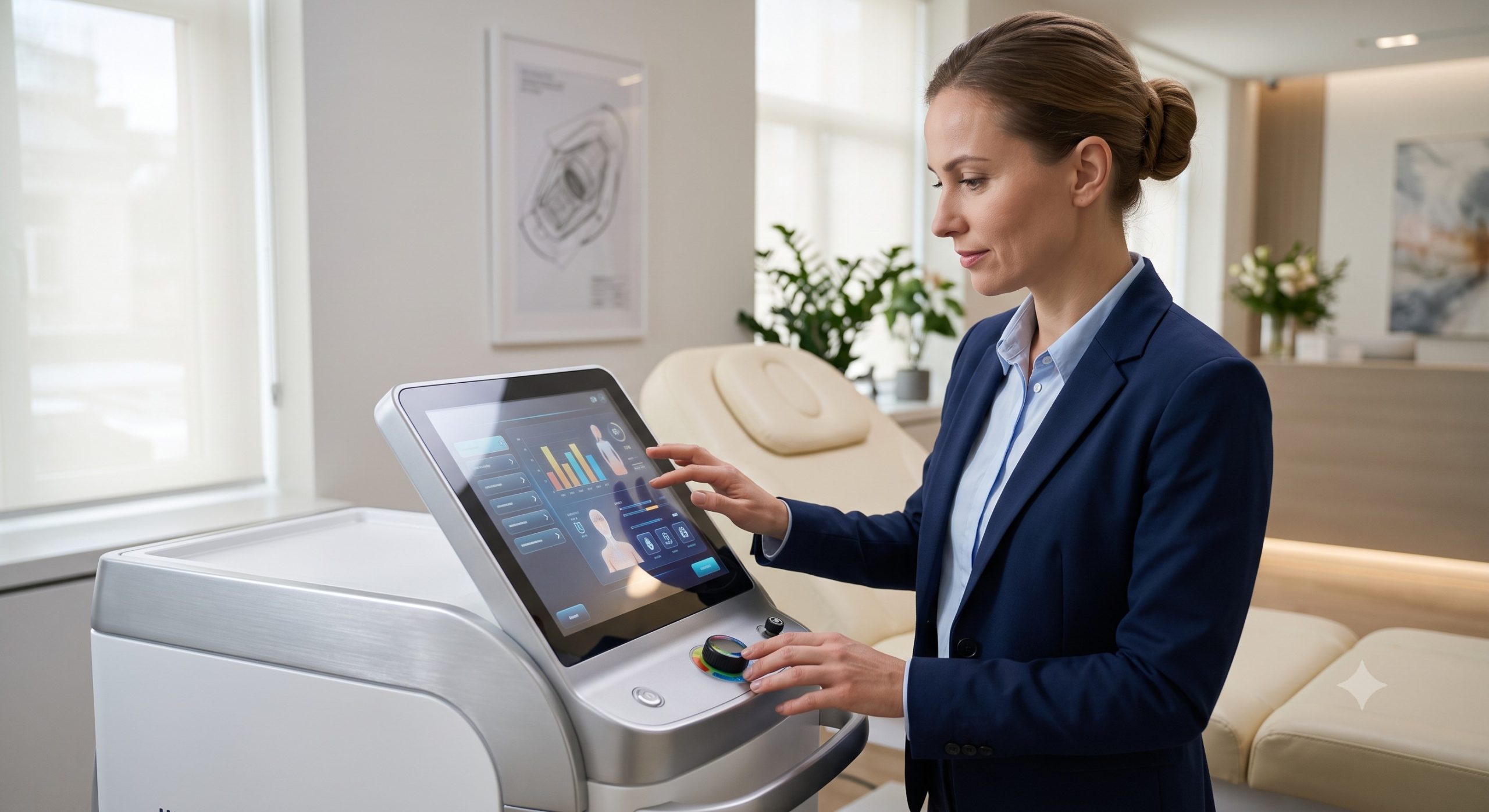
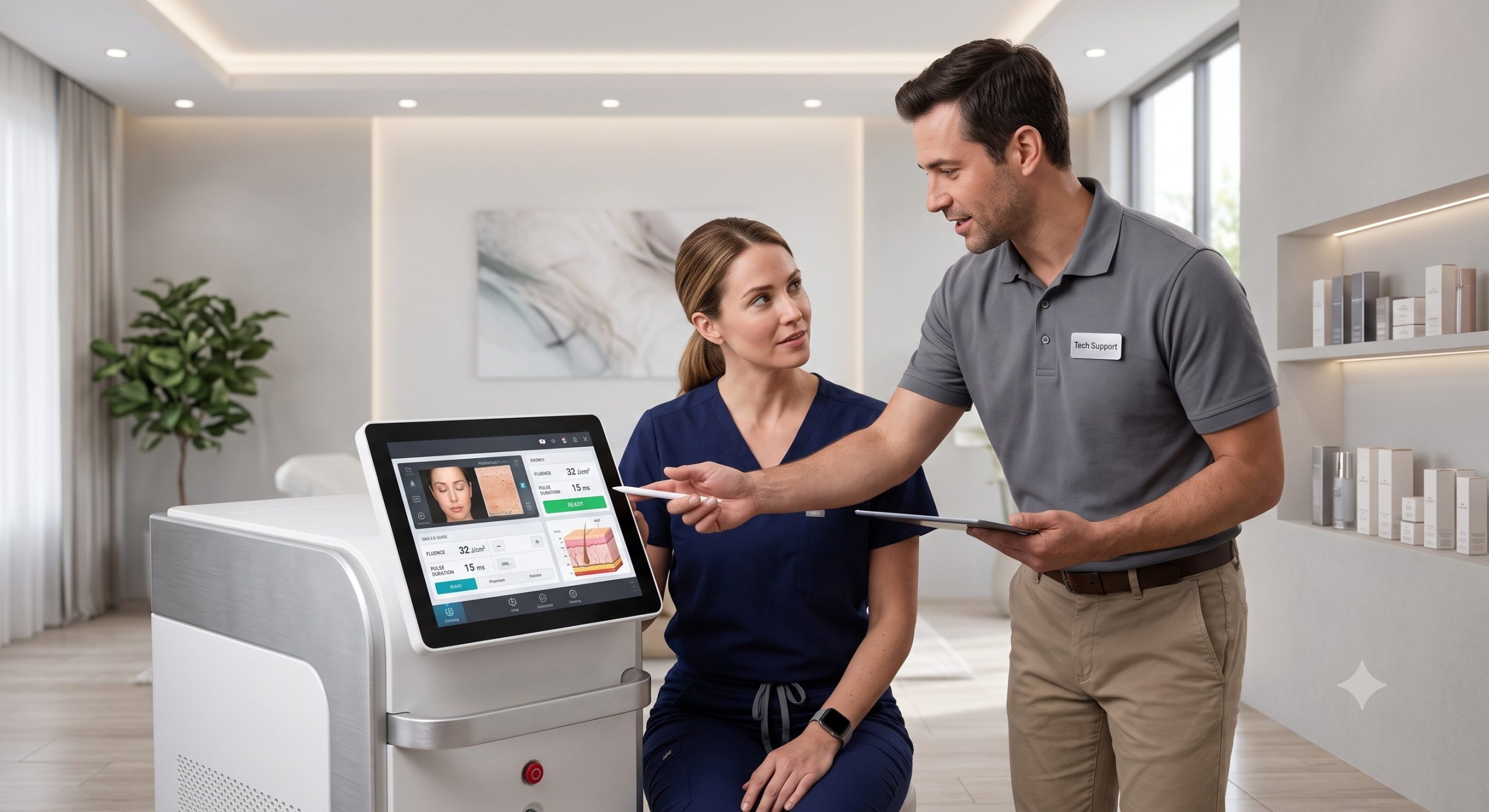
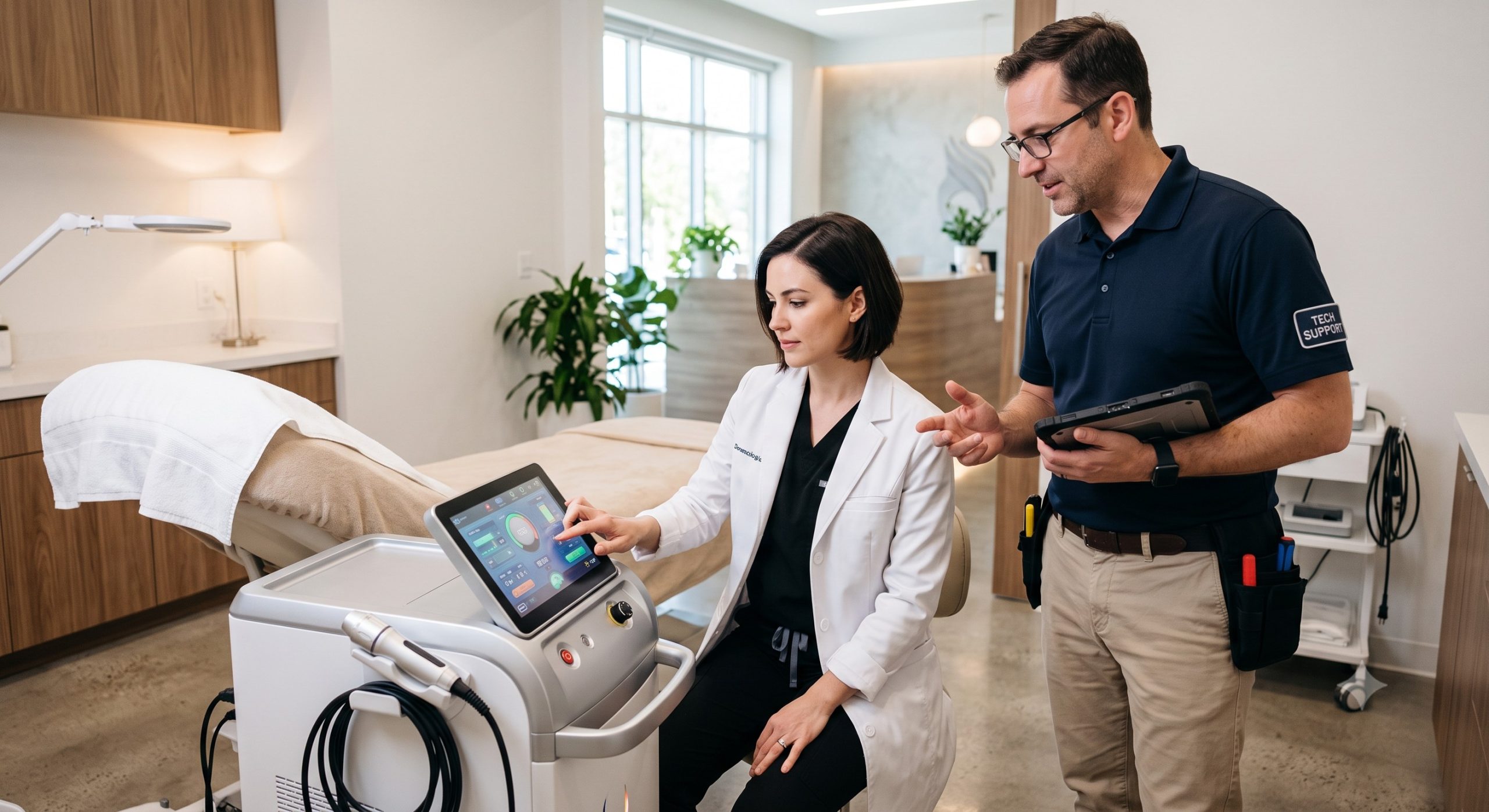
Our comprehensive warranty covers all core components, including the internal power supply, laser bars, and pump, against manufacturing defects for a period of 24-36 months. Post-sale support includes remote diagnostics, global logistics for rapid parts replacement, and a dedicated technical support engineer for troubleshooting error codes. We also provide extensive clinical and operational training to ensure your staff is proficient in operating the smart touchscreen UI and preset protocols.
Q5: What is the lifespan of the laser handpiece and consumables, and what are the maintenance schedules?
The handpiece shot lifespan typically ranges from 10 to 15 million pulses before requiring a diode module replacement, which is a standard, scheduled maintenance cost. Aside from the handpiece, consumables are minimal, usually limited to the distilled water used in the closed-loop water circulation system. Routine maintenance involves quarterly cleaning of the water circuit filters and checking the thermal regulation system to ensure optimal machine longevity and consistent energy output.
Q6: Is the equipment suitable for all Fitzpatrick skin types, and what are the upgrade paths from older IPL machines?
Yes, modern aesthetic laser equipment with Multi-Wavelength Synergies is safe and effective for Fitzpatrick skin types I-VI. The 1064nm wavelength specifically bypasses epidermal melanin, making it safe for darker skin types. As an upgrade from older IPL or legacy Q-Switched lasers, this new generation offers higher peak powers, more precise targeting, and deeper penetration, resulting in fewer sessions, better clearance for stubborn pigments and deep hair follicles, and significantly less discomfort for the patient.