Overview
For clinic owners and dermatologists, understanding the photobiological mechanisms behind red light therapy is crucial for clinical adoption and patient satisfaction. This FAQ addresses high-intent B2B queries regarding the technology’s efficacy, operational lifespan, safety across diverse skin types, and its role as a profitable, low-maintenance aesthetic service. We move beyond consumer-grade devices to focus on the engineering and clinical validation that matters to medical professionals.
Frequently Asked Questions
Q1: Is red light therapy suitable for all skin types and safe for darker Fitzpatrick skin?
Yes, professional-grade red light therapy is safe and effective for all Fitzpatrick skin types (I-VI). Unlike IPL or certain ablative lasers that target melanin, red light therapy primarily utilizes specific wavelengths (typically 630-660nm and 810-830nm) that are selectively absorbed by mitochondrial chromophores (cytochrome c oxidase) rather than epidermal melanin. This key distinction minimizes the risk of post-inflammatory hyperpigmentation (PIH), making it an ideal treatment for diverse patient demographics. Clinical protocols often incorporate advanced contact cooling to further protect the epidermis, ensuring consistent safety and comfort across all pigmentations.
Q2: How does red light therapy actually work at the cellular level?
Red light therapy operates on the principle of photobiomodulation (PBM). It delivers specific wavelengths of red and near-infrared light that are absorbed by cytochrome c oxidase, a key enzyme in the mitochondrial respiratory chain. This absorption increases mitochondrial membrane potential and stimulates the production of adenosine triphosphate (ATP), the primary energy currency of the cell. The resulting increase in cellular energy drives downstream effects including enhanced local blood circulation, reduced oxidative stress, and the modulation of inflammatory mediators, culminating in accelerated tissue repair, collagen synthesis, and cellular regeneration.
Q3: What is the lifespan of a professional red light therapy device handpiece and its consumables?
The typical lifespan of a medical-grade LED handpiece is exceptionally long, often exceeding 50,000 hours of operation. This longevity translates to years of reliable clinical use without the need for expensive consumable replacements like flash lamps found in traditional laser systems. The primary maintenance consideration involves cleaning the optical surface and ensuring the cooling circuits remain free of debris. For clinics, this ultra-low consumable expenditure directly contributes to a highly favorable return on investment and predictable operational budgeting.
Q4: What treatment parameters and protocols should clinics follow for optimal clearance?
Optimal clinical outcomes depend on precise parameter settings. Standard protocols recommend a power density (irradiance) of 30-100 mW/cm² at the target tissue, with energy densities (fluencies) ranging from 3 to 15 J/cm² depending on the condition being treated. Typical session durations last between 10 to 20 minutes per targeted area. For aesthetic indications like skin rejuvenation, a standard protocol involves 2-3 sessions per week for 4-6 weeks, followed by maintenance treatments every 4-8 weeks. We recommend utilizing pre-set smart protocols available on modern interfaces to ensure consistent and reproducible treatment parameters, minimizing operator error.
Q5: How does this technology integrate into existing clinic workflows alongside other aesthetic devices?
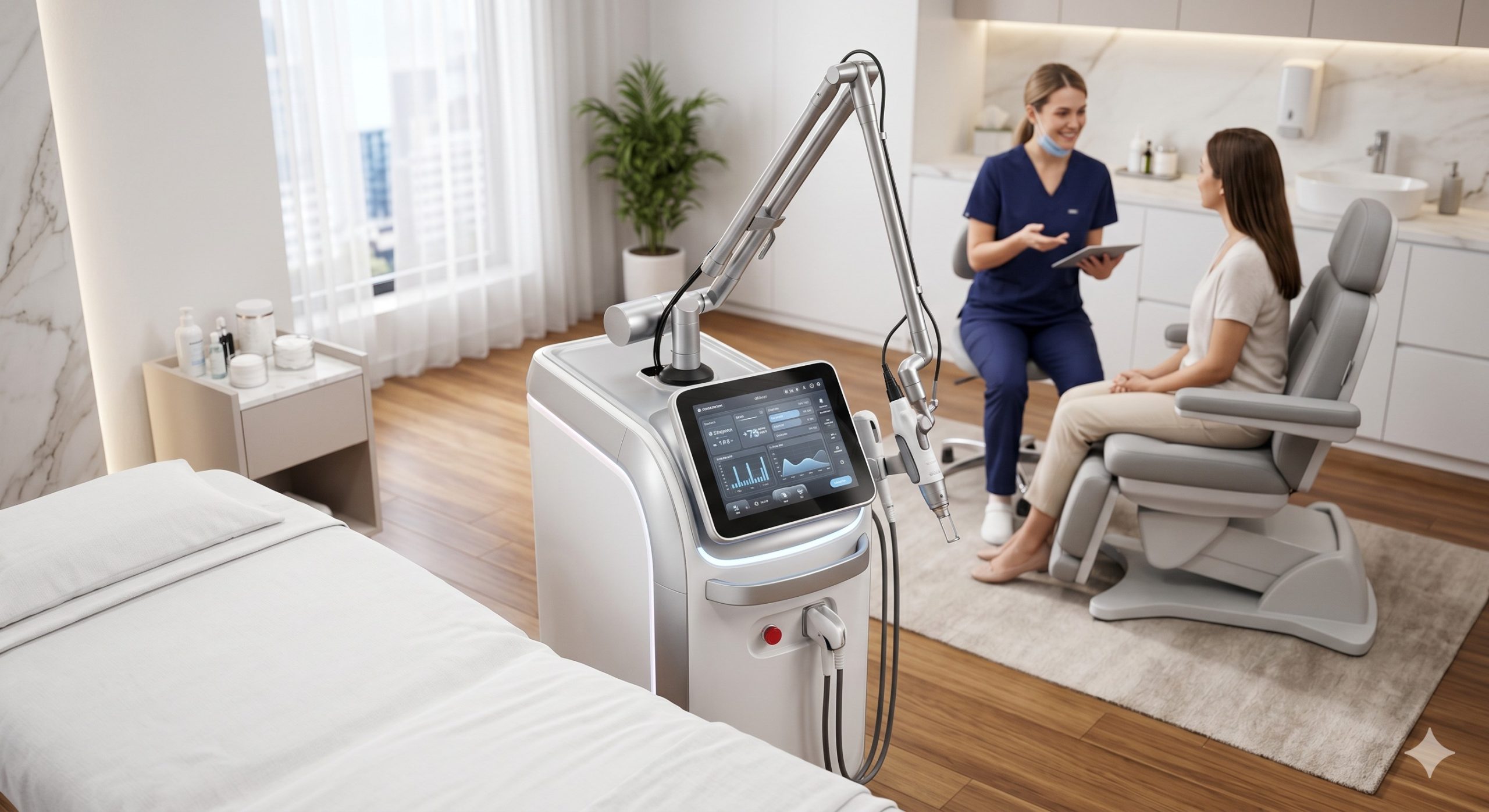
Red light therapy is highly synergistic and integrates seamlessly into existing clinic menus as a standalone service or as an adjunctive therapy. Because it is painless, requires no downtime, and poses minimal risk, it can be easily scheduled as a quick ‘lunch-time’ treatment. Clinically, it is often used post-procedure to accelerate healing and reduce inflammation following more aggressive treatments like microneedling, chemical peels, or fractional laser resurfacing. This combination approach allows clinics to enhance patient outcomes, improve retention, and maximize utilization of treatment rooms without needing extensive operator training.
Q6: What is the clinical ROI and payback period for acquiring a professional red light therapy system?
Given the high throughput capability (short session times) and virtually non-existent consumable costs, the payback period for a professional-grade red light therapy system is typically between 6 to 12 months, depending on pricing strategy. With an average per-session charge of $75-$150 and the ability to perform 6-8 sessions per day, the device quickly generates substantial revenue. Furthermore, its low operating costs (negligible electricity usage and no expensive replacement parts) ensure a high profit margin, often making it one of the most profitable equipment investments in a modern aesthetics practice.
Q7: What are the key technical differences between consumer devices and clinic-grade equipment?
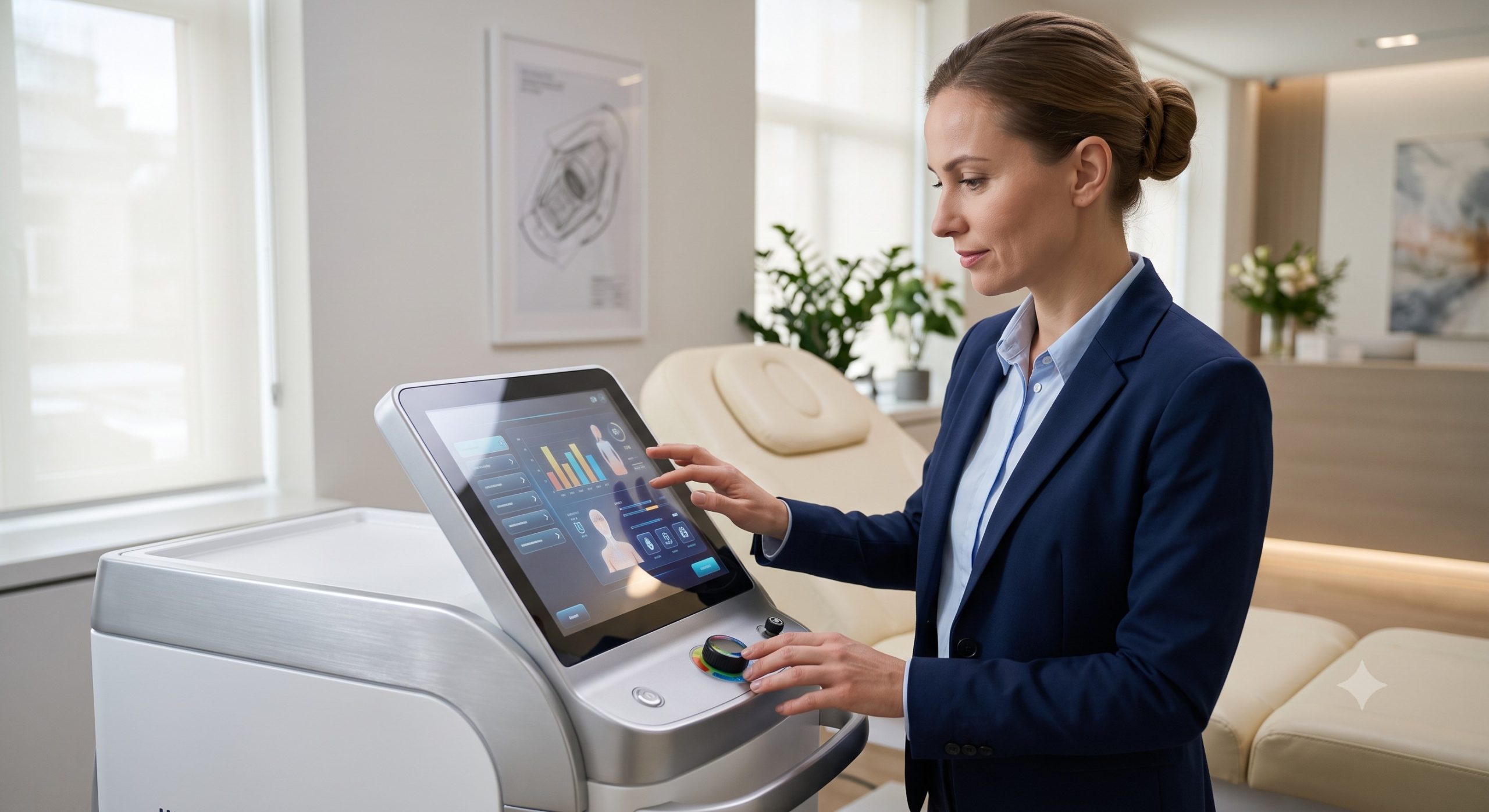
The primary differences lie in power output, beam uniformity, and thermal management. Clinic-grade systems utilize premium imported LED chips and sophisticated circuit boards to deliver significantly higher and more stable irradiance (power density) than consumer units. More importantly, they feature advanced contact cooling systems and thermal regulation to maintain optimal skin surface temperatures, ensuring patient safety during longer or higher-intensity sessions. Professional systems also offer clinical-grade data logging, precise treatment timers, and smart UI interfaces that allow for the customization of treatment protocols based on specific clinical indications.
Q8: What kind of post-sales technical support and training is provided?
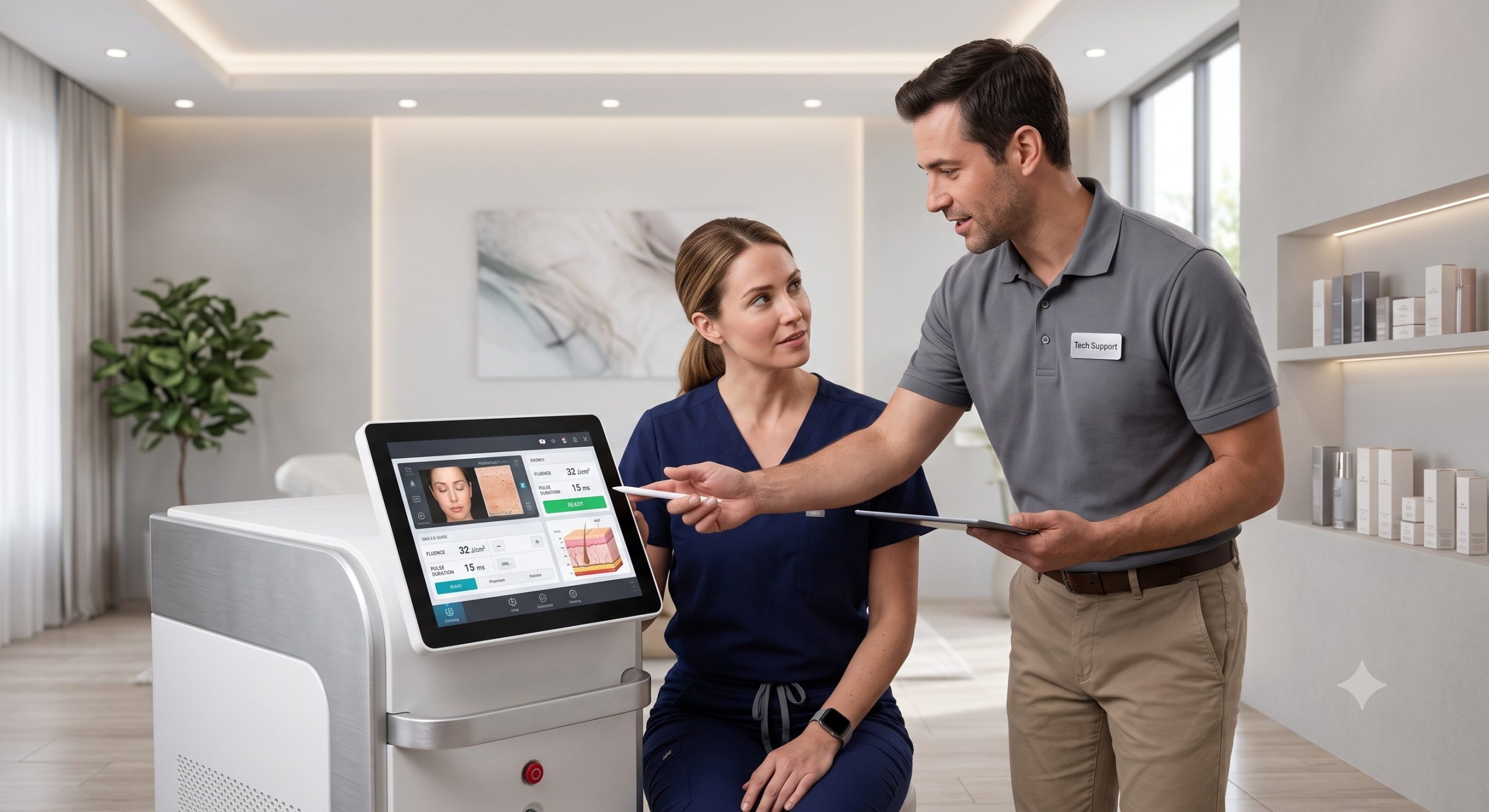
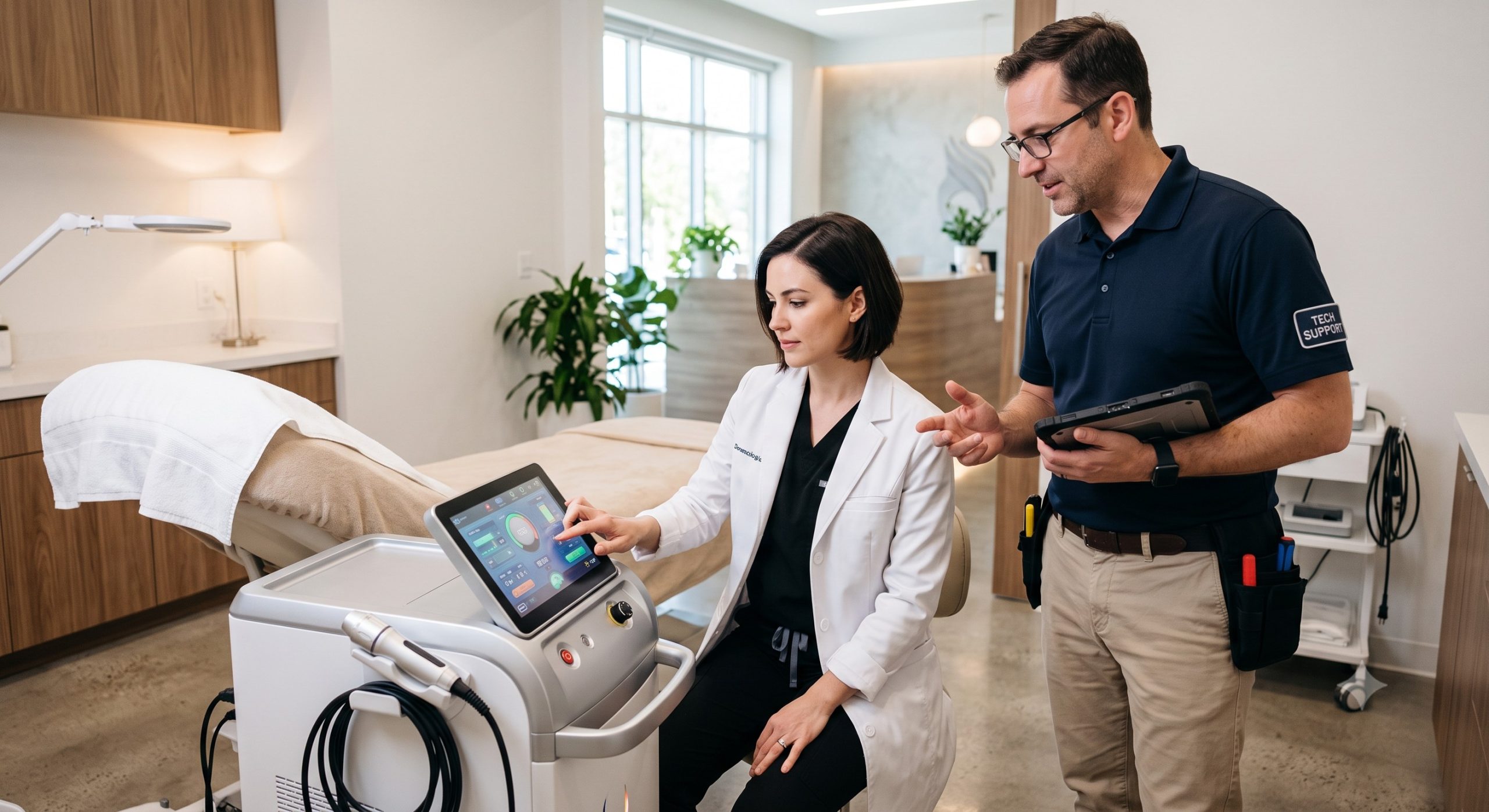
Comprehensive post-sales support is a hallmark of a reputable B2B supplier. This typically includes on-site or remote clinical training for all operators covering device operation, safety protocols, and treatment parameter selection. Technical support extends to a full warranty coverage on the chassis, handpiece, and electronic components, along with access to a global service network for rapid diagnostics and replacement parts. Suppliers should also provide detailed technical documentation, including maintenance manuals and cleaning protocols, to ensure the device operates at peak performance for its entire lifespan.