Overview
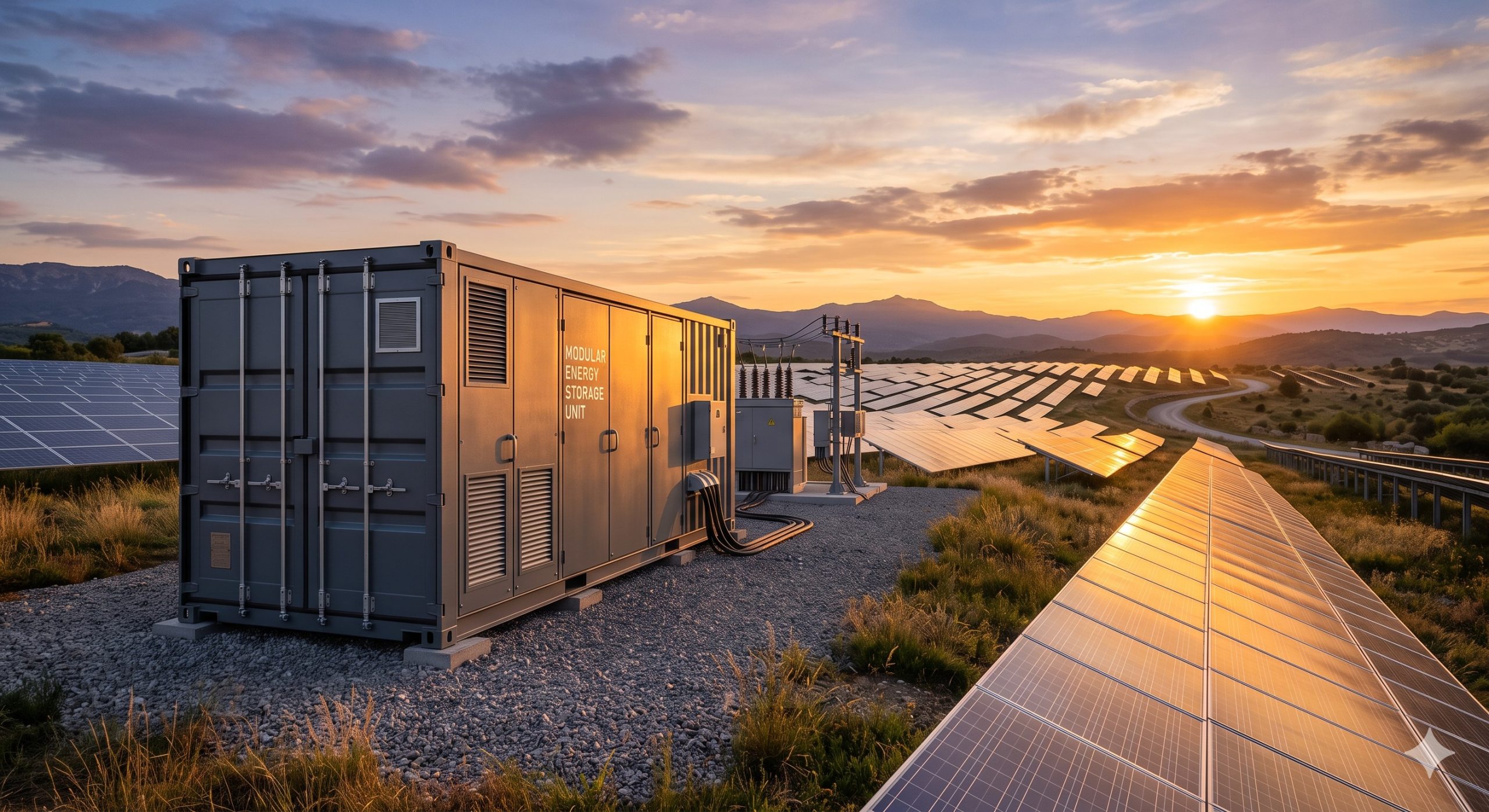
For modern aesthetic clinics, integrating a modular outdoor energy storage system is a strategic move that ensures operational resilience, optimizes energy costs, and supports sustainability goals. This FAQ addresses the critical pre-sales and post-sales concerns of clinic owners and dermatologists, focusing on clinical workflow integration, technical robustness, and financial return. Our experts provide definitive answers to help you make an informed investment.
Frequently Asked Questions
Q1: How does a modular outdoor storage unit integrate into a busy clinic’s daily workflow?
Integration is designed to be seamless and hands-off, requiring no changes to daily clinical operations. The system automatically manages power flow, storing energy during off-peak hours and discharging it during peak demand to reduce costs, or acting as a backup during outages. For the clinic staff, the workflow remains entirely focused on patient care, as the system’s smart software handles all energy management autonomously.
- Zero Disruption: The unit operates silently and is housed externally, freeing up valuable indoor clinical space.
- Automated Savings: The system’s software optimizes energy usage to lower utility bills without manual intervention.
- Reliable Backup: In the event of a grid failure, the system provides instant backup power to critical devices like aesthetic lasers and refrigeration units, preventing downtime and loss of consumables.
Q2: What is the typical ROI and payback period for this investment in a med spa?
The payback period for a modular outdoor energy storage system in a medical aesthetic setting typically ranges from 3 to 5 years, driven primarily by reductions in peak-demand electricity charges. The system’s intelligent software and high efficiency ensure a rapid return, making it a sound capital investment that contributes positively to the clinic’s bottom line from day one. This ROI is further enhanced by government incentives and rebates available for energy storage and clean energy adoption.
Q3: What are the key technical specifications and safety certifications I should look for?
Our units feature high-performance LFP battery cells and a robust thermal management system, meeting stringent international safety standards. The unbranded chassis is built for outdoor durability, ensuring reliable operation in diverse climates. All systems are designed with multiple layers of protection, including over-current, over-voltage, and temperature control.
- Battery Chemistry: Lithium Iron Phosphate (LFP) for superior safety, longevity, and thermal stability.
- Safety Certifications: Compliance with UL 1973, IEC 62619, and CE standards for electrical and battery safety.
- Cooling System: Advanced liquid cooling ensures optimal battery temperature, maximizing lifespan and performance even in high ambient temperatures.
Q4: How does the advanced cooling system and thermal regulation work?
The system employs a sophisticated liquid cooling and heating loop to maintain the battery cells at their ideal operating temperature, ensuring peak performance and longevity. This active thermal management is crucial for preventing performance degradation and extending the system’s useful life, regardless of external weather conditions. By precisely controlling the temperature, the system guarantees consistent power output and safety, even during high-stress discharge cycles.
Q5: What is the lifespan of the system and what is the replacement schedule for core components?
The core LFP battery pack is designed for a cycle life of over 6,000 cycles, equivalent to more than 15 years of daily use, retaining a high capacity throughout its lifespan. The inverter and other power electronics are engineered with high-quality components to match this durability. After this period, the battery pack can be replaced, giving the system a second life, while the modular design allows for easy servicing of individual components without replacing the entire unit.
Q6: What are the maintenance protocols for keeping the system in optimal condition?
Routine maintenance is minimal, consisting primarily of visual inspections and cleaning the unit’s exterior and ventilation areas. The system’s advanced software provides comprehensive diagnostics and alerts for any anomalies, facilitating proactive maintenance. An annual inspection by a certified technician is recommended to ensure all electrical connections and cooling fluids are in perfect working order, ensuring long-term reliability and performance.
Q7: What comprehensive post-sales technical support and global logistics are provided?
We offer comprehensive post-sales support, including remote monitoring, a full warranty, and access to our global network of certified service partners. Our support covers everything from initial site assessment and installation guidance to ongoing technical troubleshooting. This ensures your system operates efficiently with minimal downtime, supported by a dedicated team available for urgent queries.
Q8: How does this system help in achieving sustainability goals and reducing carbon footprint?
By storing excess energy from solar arrays or from the grid during low-demand periods, the system maximizes the use of clean, renewable energy and reduces reliance on fossil-fuel-based peaker plants. This directly translates to a significant reduction in the clinic’s carbon footprint, supporting corporate sustainability reporting and enhancing the brand’s reputation as an environmentally responsible healthcare provider. It is a tangible step towards a greener, more sustainable practice.