Overview
For aesthetic clinics and dermatologists, selecting the right fractional laser is a critical investment decision. Two of the most prevalent wavelengths in modern dermatology are the 1927nm Thulium laser and the 1550nm Erbium-doped fiber laser. While both are effective for skin resurfacing and rejuvenation, they operate on fundamentally different principles of selective photothermolysis, targeting distinct chromophores and depths within the skin. This FAQ guide provides a comprehensive, technical comparison to help B2B buyers understand the clinical, operational, and financial differences between these two laser systems.
Frequently Asked Questions
Q1: What is the primary clinical difference between 1927nm and 1550nm lasers?
The 1927nm wavelength is primarily absorbed by water in the superficial layers of the skin (epidermis), making it exceptionally effective for treating pigmented lesions, melasma, and textural irregularities. Conversely, the 1550nm wavelength penetrates deeper into the dermis, targeting water to stimulate collagen remodeling for wrinkles and scars. In essence, 1927nm is a ‘superficial resurfacing’ tool, while 1550nm is a ‘deep dermal remodeling’ tool, and many advanced systems offer both wavelengths to address a full spectrum of patient concerns.
Q2: Which laser is safer and more effective for darker skin types (Fitzpatrick IV-VI)?
The 1927nm laser is generally considered safer and more effective for darker Fitzpatrick skin types. Because its energy is absorbed more superficially and has a lower coefficient of absorption in melanin compared to 1550nm, it presents a significantly lower risk of post-inflammatory hyperpigmentation (PIH). The shallower depth of injury also allows for faster re-epithelialization, reducing downtime and the potential for complications in patients with higher melanin content, making 1927nm the preferred choice for pigmentation disorders in diverse skin types.
Q3: How do the treatment protocols and patient downtime compare between 1927nm and 1550nm?
Treatment protocols and downtime vary significantly. 1927nm lasers typically require 3-5 sessions for optimal pigmentation clearance, with patients experiencing 3-5 days of mild erythema and ‘bronzing’ (micro-crusting) before resolution. In contrast, 1550nm lasers often require 3-6 sessions for deep wrinkles and scars, with downtime ranging from 4-7 days due to more pronounced edema and erythema from deeper dermal heating. From a clinical operations perspective, the 1927nm offers a faster patient turnover and a more tolerable recovery profile, which can be a significant advantage for clinic workflow.
Q4: What are the differences in handpiece lifespan and consumable costs?
The handpiece lifespan is a crucial factor in calculating the total cost of ownership. A 1550nm handpiece typically has a lifespan of 40,000 to 60,000 shots, while a 1927nm handpiece can often exceed 80,000 shots due to its lower average energy output per pulse. This means the 1927nm laser generally offers a lower cost-per-shot and reduced consumable expenditure over the device’s lifetime. Clinics should evaluate these numbers against their expected patient volume to accurately forecast long-term profitability.
Q5: How should a clinic choose which wavelength to invest in for maximum ROI?
The choice depends on your patient demographics and existing service portfolio. If your clinic specializes in treating melasma, sun damage, and pigmentary issues in a diverse patient base, the 1927nm is a high-demand, low-risk entry point. However, for clinics focusing on anti-aging, scar revision, and global skin laxity, the 1550nm is the industry standard. For maximum ROI and clinical versatility, investing in a dual-wavelength platform that offers both 1927nm and 1550nm allows you to capture both patient segments, maximizing your treatment menu and return on investment.
Q6: What kind of technical support and training is provided for these laser systems?
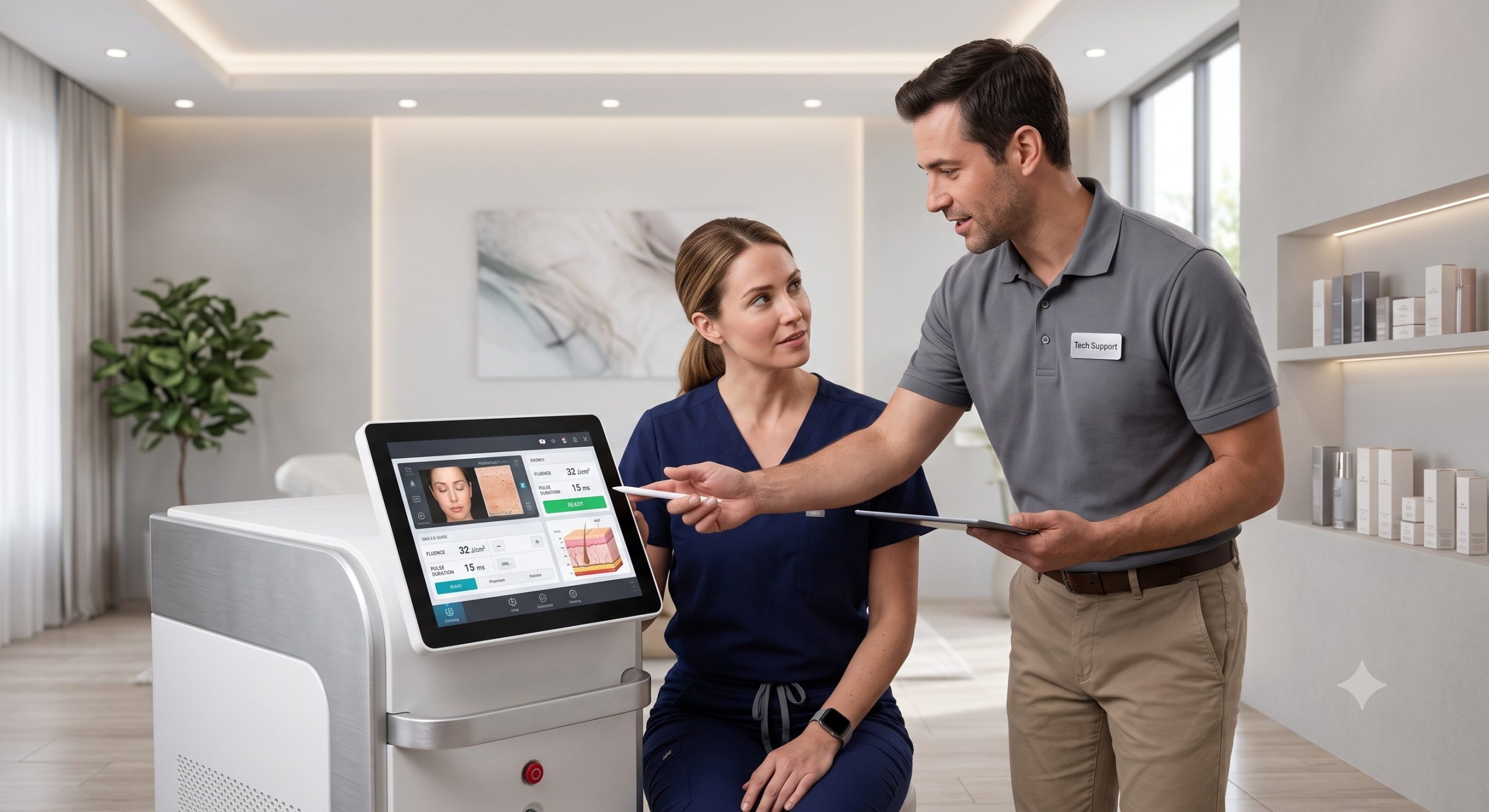
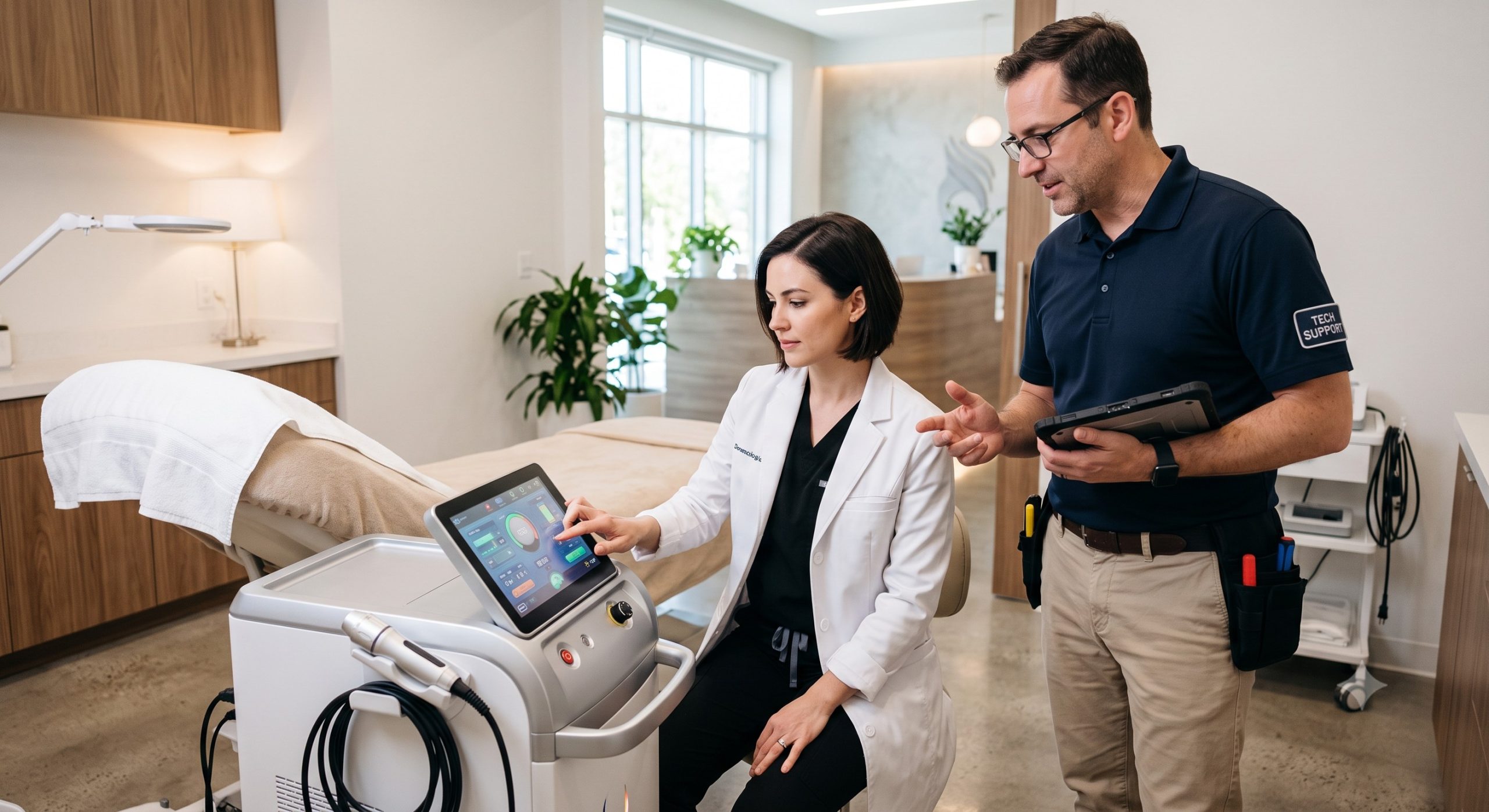
Professional B2B suppliers provide comprehensive technical support, including on-site installation, clinical training, and ongoing remote troubleshooting. This typically covers device operation, parameter selection for different skin types, and maintenance of the water circulation system. As a buyer, you should inquire about the availability of a dedicated technical support hotline, the provision of detailed service manuals, and the warranty on core components like the laser bar, which is a primary indicator of the system’s build quality and the manufacturer’s confidence in its durability.