Overview
For B2B clinic buyers and dermatologists, selecting between an 808nm diode laser and a 3-wavelength (usually 755nm, 808nm, 1064nm) platform is a critical investment decision. While the 808nm is often considered the ‘gold standard’ for hair reduction, the multi-wavelength system offers versatility for treating diverse skin types and pigmentary concerns. This FAQ addresses the key clinical, technical, and financial questions to guide your purchase.
Frequently Asked Questions
Q1: What is the fundamental clinical difference between 808nm and 3-wavelength diode lasers?
The 808nm wavelength is highly specific to melanin in the hair follicle, offering deep penetration with minimal epidermal absorption, making it the most efficient single wavelength for permanent hair reduction. In contrast, a 3-wavelength system (typically 755nm, 808nm, and 1064nm) provides a synergistic approach: 755nm targets fine, light-colored hair and superficial pigmentation; 808nm offers deep, bulk heating for larger follicles; and 1064nm penetrates deepest with low melanin absorption, allowing for safer, effective treatment on darker skin types (Fitzpatrick IV-VI) and for deeper vascular or pigmented lesions. This versatility allows the practitioner to switch wavelengths based on the patient’s specific skin phototype and hair characteristics without changing the handpiece.
Q2: Is the 3-wavelength laser more effective than the single 808nm laser?
Not necessarily more effective, but more versatile. For the majority of Fitzpatrick skin types I-III with dark, coarse hair, a high-power 808nm diode is exceptionally effective and often requires fewer sessions. The 3-wavelength device’s advantage lies in its ability to ‘customize’ the treatment; for example, using 755nm for fine, vellus-like hair or 1064nm for thick hair on darker skin (Fitzpatrick IV-VI) where the 808nm alone may pose a higher risk of burns or hyperpigmentation. Therefore, the 3-wavelength system is considered a more comprehensive solution for a clinic with a diverse clientele, allowing for a higher safety margin and broader treatment menu, but an 808nm system may be the best ROI for a clinic primarily treating lighter skin types.
Q3: Which laser is safer for dark skin (Fitzpatrick V-VI)?
The 3-wavelength system, specifically utilizing the 1064nm wavelength, is the safest option for Fitzpatrick V and VI skin types. This is because 1064nm has the lowest melanin absorption, meaning the laser energy bypasses the epidermis and is selectively absorbed by the deeper dermal target (the hair follicle or blood vessel), significantly reducing the risk of epidermal burns, blistering, and post-inflammatory hyperpigmentation (PIH). A single 808nm laser, while safe on many skin types, has a higher melanin affinity and can cause excessive epidermal heating on very dark skin, especially if cooling is inadequate. It is crucial to note that regardless of the platform, the machine must have a high peak power and an advanced contact cooling system to ensure safety.
Q4: How do the handpiece, consumables, and maintenance costs compare?
The initial investment for a 3-wavelength system is generally higher than for a single 808nm device, but the maintenance cost structure is often identical. Both platforms utilize a diode laser bar (or stack) that has a finite shot lifespan, typically rated for 10-15 million pulses. The consumable costs are virtually zero, as there are no per-procedure disposables like gels or creams, only the replacement of the handpiece or the internal laser diode array at the end of its life. Maintenance for both is primarily passive, focusing on the water cooling circuit; ensuring distilled water is used and the filters are cleaned regularly (every 3-6 months) is paramount to prevent overheating and prolong the lifespan of the diode bars. The 3-wavelength system may have a slightly more complex optical assembly, potentially increasing the cost of a full diode array replacement, but this is a long-term, infrequent expense.
Q5: What is the typical ROI and payback period for a 3-wavelength vs. an 808nm laser?
The payback period for an 808nm laser can be as short as 6-9 months in a high-volume clinic due to its lower upfront cost and proven efficacy for the most common treatments. A 3-wavelength system, with its higher price point, typically offers a payback period of 9-14 months. The ROI for the 3-wavelength system is ultimately higher in the long term because it allows you to capture a larger market share; you can confidently treat all skin types, offer ‘pain-free’ treatments with effective cooling, and upsell combination therapies for pigmentation and vascular lesions, effectively expanding your service menu. This minimizes patient rejection due to skin type and maximizes your patient acquisition rate, making it the more profitable investment for a growing medspa or dermatology practice.
Q6: Are the treatment parameters (fluence, pulse width) the same for each wavelength?
No, they are substantially different and require a deep understanding of selective photothermolysis. The 755nm wavelength requires a lower fluence (J/cm²) because of its high melanin absorption but uses shorter pulse widths to target smaller, superficial targets. The 808nm utilizes a higher fluence and medium pulse widths for bulk heating of the dermis. The 1064nm requires the highest fluence due to its low melanin absorption, coupled with longer pulse widths to achieve the necessary thermal damage to the deep follicle. A high-quality 3-wavelength system will have built-in, intelligent presets for each wavelength that automatically adjust these parameters based on skin type and hair color, reducing the operator’s learning curve and ensuring safety. It is vital that the machine supports a wide range of fluence (e.g., 10-120 J/cm²) and pulse widths (e.g., 1-400ms) to provide this flexibility.
Q7: Which laser is better for treating stubborn, grey, or white hair?
Neither an 808nm nor a typical 3-wavelength diode system is highly effective on grey, white, or very light blonde hair because these hairs lack sufficient melanin (the chromophore) for the laser to target. In this scenario, the 755nm wavelength in a 3-wavelength system offers the best chance due to its higher affinity for what little pigment remains. However, the gold standard for achromic hair is electrolysis or a blend of radiofrequency (RF) with laser. For a clinic, the best strategy is to be transparent with patients about expectations, highlighting that while the 3-wavelength system provides a superior outcome compared to 808nm for these cases, it is not a miracle solution. The key to maximizing success is often using a lower fluence with multiple passes or utilizing the 1064nm for its deeper tissue interaction.
Q8: How does the cooling system differ between these two laser types?
The cooling mechanism (contact cooling or dynamic cooling) is not inherently tied to the wavelength but rather to the manufacturer’s design. However, a 3-wavelength system is almost always equipped with a more advanced and powerful cooling system to accommodate the higher energy demands of the 1064nm wavelength and to ensure maximum epidermal protection across all skin types. Look for machines that feature a contact cooling tip (usually a sapphire window) that can pre-cool the skin to -5°C to 0°C before, during, and after the pulse. This is non-negotiable for a 3-wavelength system, especially when using the 755nm on lighter skin or the 1064nm on darker skin. The cooling system’s ability to maintain a constant temperature during high-frequency, high-fluence treatments is a critical technical specification that separates a premium investment from a subpar one. Always verify the cooling power in Watts, not just the temperature.
Q9: What kind of technical support and training should I expect with each?
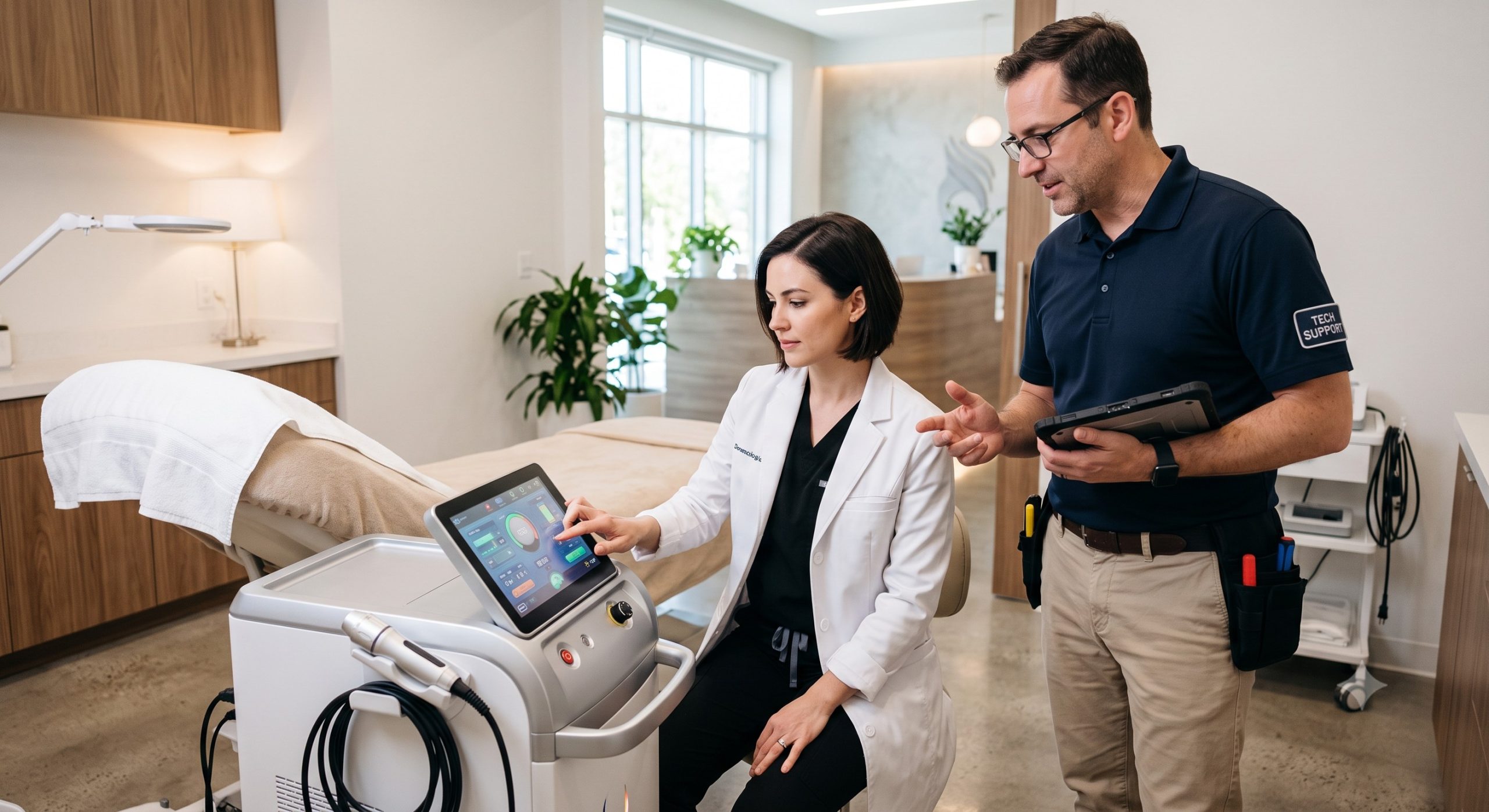
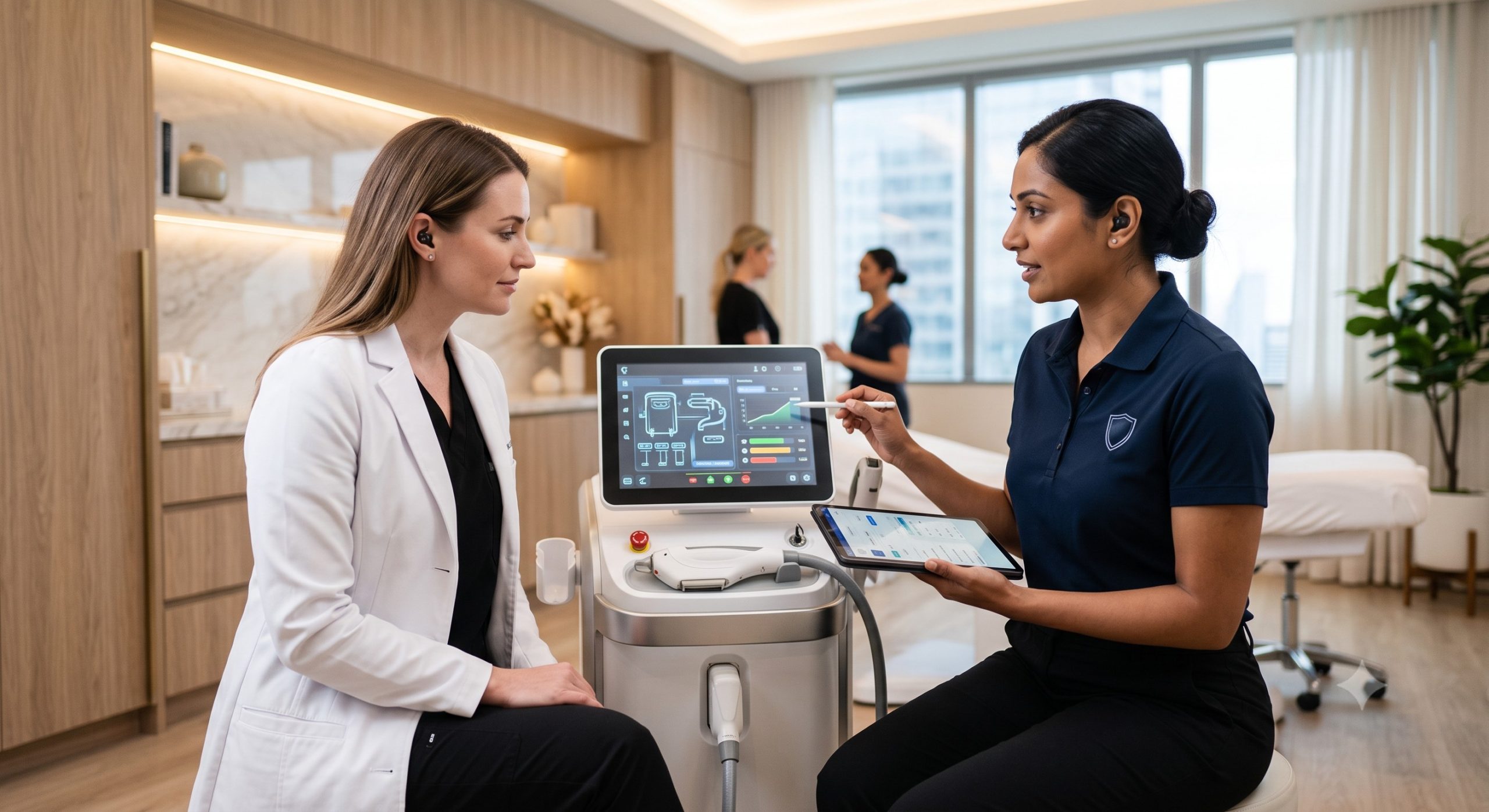
This varies significantly by supplier rather than by the laser type. For a B2B investment, you should demand comprehensive clinical training on the specific device. This includes hands-on instruction on parameter selection for each wavelength, proper technique, and safety protocols. The training should cover the science behind each wavelength, not just pushing buttons. Post-sales, you require a robust warranty (at least 2 years on the laser source and handpiece), a clear service-level agreement, and access to a technical support engineer who can troubleshoot remotely or dispatch a technician. For a 3-wavelength system, the training is inherently more complex and valuable because it teaches you to operate a multi-modal platform. A reputable supplier will also provide marketing materials and business development support to help you launch these new services effectively. Do not underestimate the value of this support; it is as critical as the hardware itself.