Overview
In the competitive landscape of medical aesthetics, patient comfort is the cornerstone of clinic retention and profitability. For B2B buyers and dermatologists, understanding the cooling technology integrated into a diode laser is not just a technical detail—it is a critical clinical and commercial decision. Advanced cooling systems ensure epidermal protection, enable higher fluences for better efficacy, and drastically reduce patient pain, leading to higher satisfaction and faster treatment sessions. This FAQ covers the engineering, clinical application, and maintenance of modern contact cooling systems in diode lasers.
Frequently Asked Questions
Q1: What type of cooling technology does your diode laser use, and how does it protect the skin?
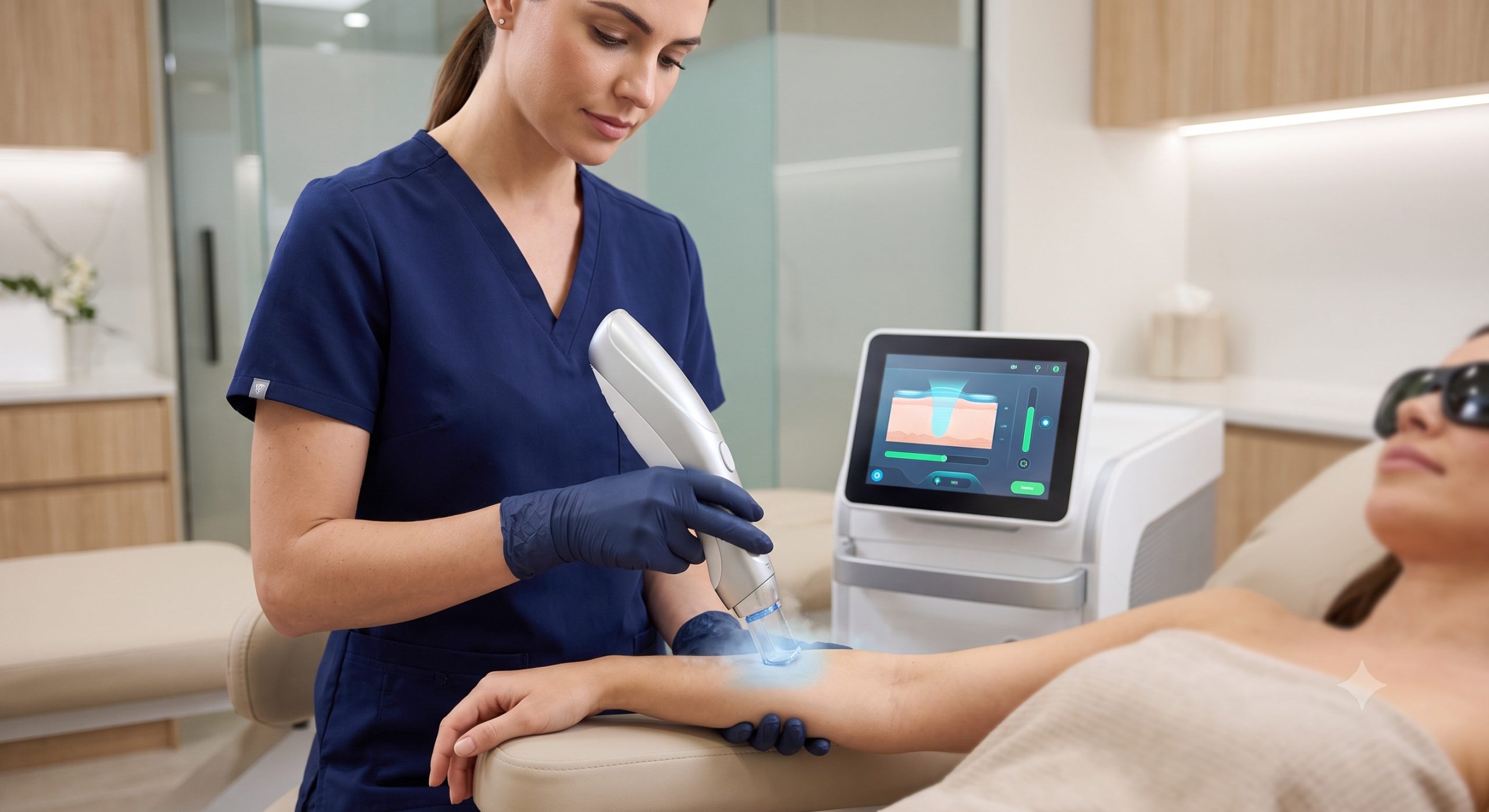
Our diode laser utilizes a state-of-the-art sapphire contact cooling plate with a thermoelectric (TEC) cooling system that maintains a constant surface temperature of -5°C to 5°C. This technology operates on the principle of conductive cooling, where the sapphire window directly contacts the epidermis immediately before, during, and after the laser pulse. This pre-cooling numbs the nerve endings for pain management, while the post-cooling dissipates residual thermal energy from the epidermis, preventing burns and allowing for safe, high-energy treatments on Fitzpatrick skin types IV-VI.
Q2: Does the cooling system allow for painless hair removal treatments?
Yes, the integrated cooling system is specifically engineered to enable nearly painless treatments by effectively managing the skin’s surface temperature. By chilling the epidermis to below 5°C, the system creates a thermal buffer that protects the skin while the laser energy selectively targets the deeper hair follicles. This dual-action approach allows clinicians to use optimal fluence (energy) without the sharp, stinging pain associated with older IPL systems or diode lasers lacking advanced cooling, significantly enhancing patient comfort and reducing the need for topical anesthetics.
Q3: Is the sapphire contact cooling safe for all skin types (Fitzpatrick I-VI)?
Yes, the sapphire contact cooling technology makes the diode laser safe and effective for all Fitzpatrick skin types I through VI. The key to this safety is the dynamic cooling algorithm that adjusts the cooling plate temperature in real-time based on the treatment parameters and skin impedance. In darker skin types, which have higher melanin absorption, the cooling system works harder to protect the epidermis from thermal injury, enabling clinicians to achieve clinical clearance rates of over 85% without the elevated risk of hyperpigmentation or scarring commonly seen in non-cooled devices.
Q4: How does the cooling system compare to cryogen spray or cold gel used in legacy systems?
The sapphire contact cooling system offers superior precision and safety compared to legacy cryogen spray or cold gel methods. Unlike cryogen spray, which is a one-time flash cooling event, contact cooling provides continuous, controlled temperature management throughout the entire pulse cycle, ensuring consistent epidermal protection. Furthermore, it eliminates the mess and potential for uneven distribution associated with cold gels, and it reduces the risk of cryogen burns or inhalation hazards. This solid-state cooling solution is clinically preferred for its reliability, even coverage, and ability to deliver more uniform clinical outcomes.
Q5: What maintenance does the cooling system require to ensure optimal performance?
The cooling system is designed for low maintenance, requiring routine cleaning of the sapphire contact plate and annual checks on the TEC module and water circulation pump if applicable to your specific model. Clinics should clean the sapphire window with a soft, lint-free cloth and a medical-grade disinfectant after every session to maintain optical clarity and thermal conductivity. Additionally, we recommend a professional technical inspection every 12-18 months to check the coolant levels and the integrity of the TEC connectors, ensuring the system maintains its specified chilling capacity of up to 1200 Watts of heat extraction.
Q6: Does the cooling technology affect the lifespan or consumable costs of the handpiece?
No, the cooling technology is an integral part of the handpiece and does not increase consumable costs; in fact, it contributes to the handpiece’s long lifespan by preventing thermal stress on the diode bars. With proper cleaning and maintenance, the sapphire cooling plate is highly durable and scratch-resistant, lasting for the entire operational life of the handpiece (typically 1-2 million shots). This robust design minimizes downtime and eliminates the recurring costs associated with cryogen gas refills or gel purchases, significantly improving the long-term Return on Investment (ROI) for your clinic.
Q7: How does the cooling system impact treatment speed and clinical workflow?
By enabling painless treatments, the cooling system significantly enhances clinical workflow by reducing patient anxiety and eliminating the time typically spent applying and removing topical anesthetics. The continuous contact cooling allows for rapid stacking of pulses with no need to wait for skin to re-cool, enabling practitioners to treat large areas like the back or legs in under 30 minutes. This high-throughput efficiency not only boosts daily patient numbers but also improves patient turnover and practice profitability, making it a decisive feature for busy aesthetic clinics.
Q8: What happens if the cooling system fails during a treatment session?
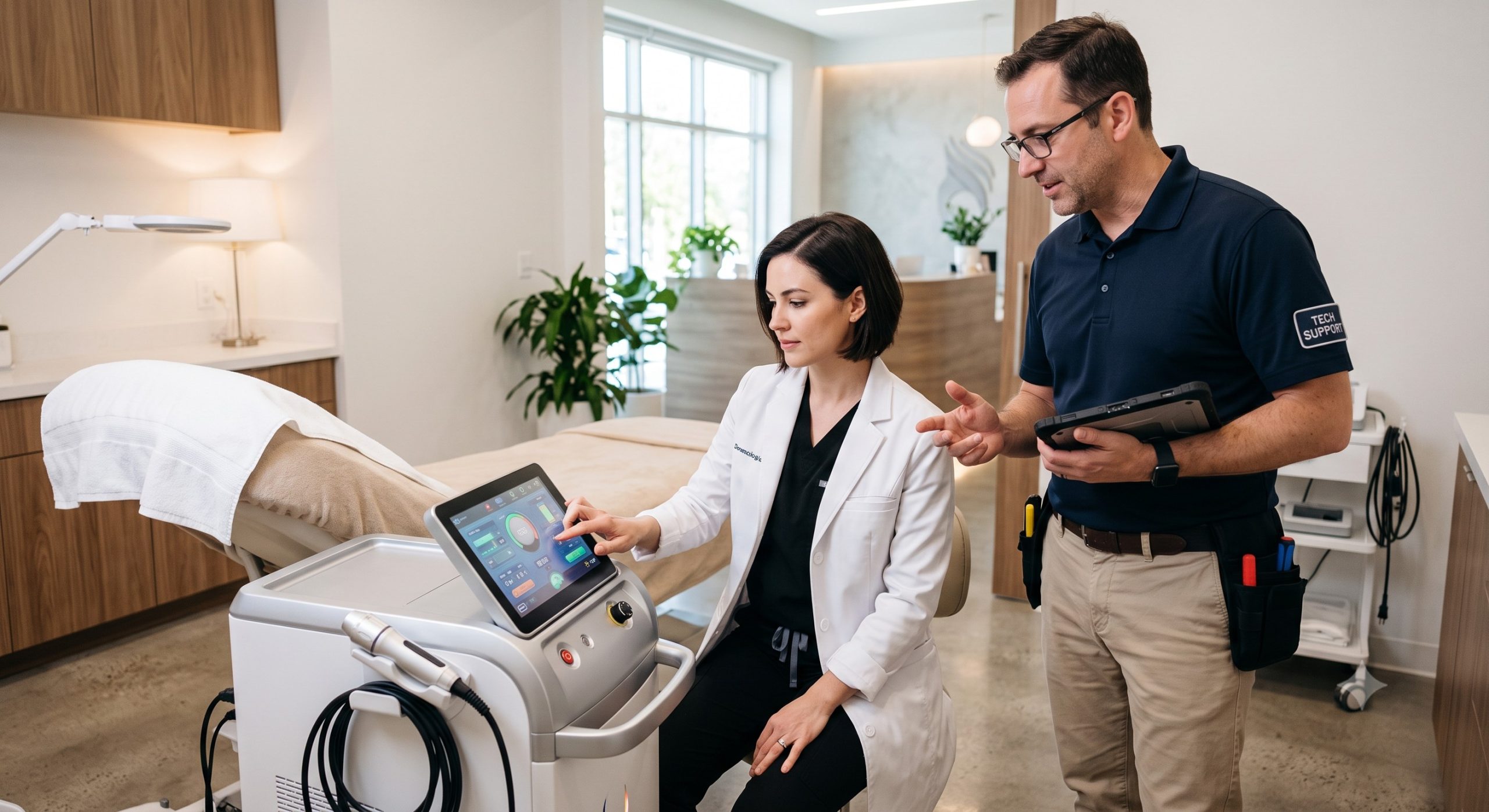
Our diode laser is equipped with a multi-tiered safety interlock system that immediately halts laser emission if the cooling system fails to maintain its set temperature range. The touchscreen UI will display a clear error code (e.g., Cooling Fault C-12), and the device will automatically block the laser pulse to prevent epidermal injury. Your technical support team can then troubleshoot the issue remotely or guide you through a reset. This failsafe mechanism ensures patient safety is never compromised, making the device one of the safest on the market.