Introduction: The Clinical Imperative of High-Intensity Focused Ultrasound (HIFU) in Modern Aesthetic Practice
In the rapidly evolving landscape of non-invasive aesthetic medicine, selecting the right technology partner is paramount. For clinic owners and medical directors, the decision to integrate a HIFU machine manufacturer for clinics is not merely a capital expenditure; it is a strategic commitment to clinical efficacy, patient safety, and long-term profitability. The demand for non-surgical lifting and skin tightening has surged, driven by a patient demographic seeking minimal downtime with maximal results. As an elite B2B consultant, I have witnessed the profound impact that a superior, medically-certified High-Intensity Focused Ultrasound system can have on a practice’s reputation and bottom line. This comprehensive guide dissects the critical technical metrics, regulatory standards, and business dynamics that define a premier HIFU machine manufacturer for clinics, ensuring your investment translates into superior clinical outcomes and a robust return on investment.
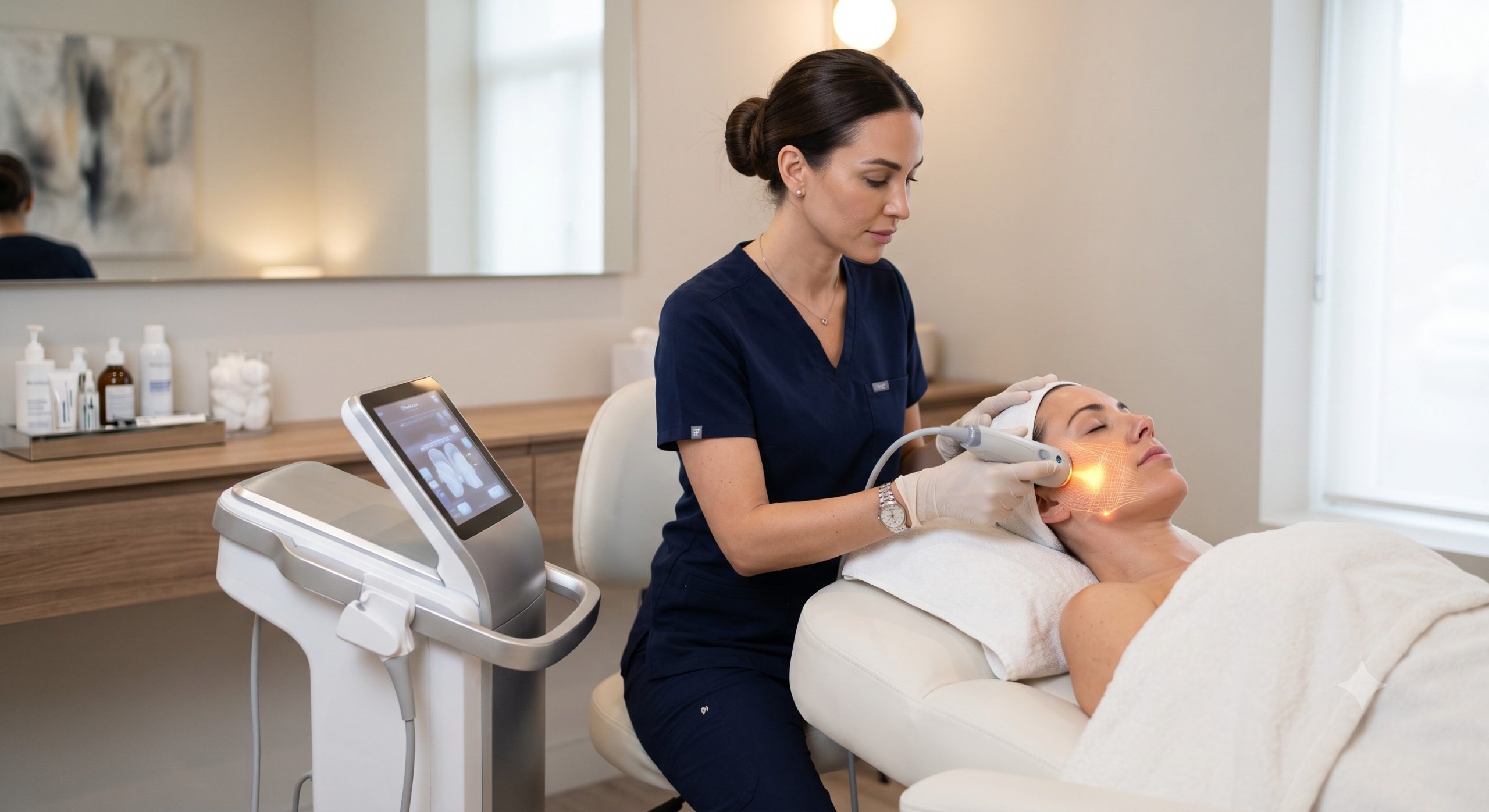
Decoding the Physics: From Ultrasound to Tissue Neo-Collagenesis
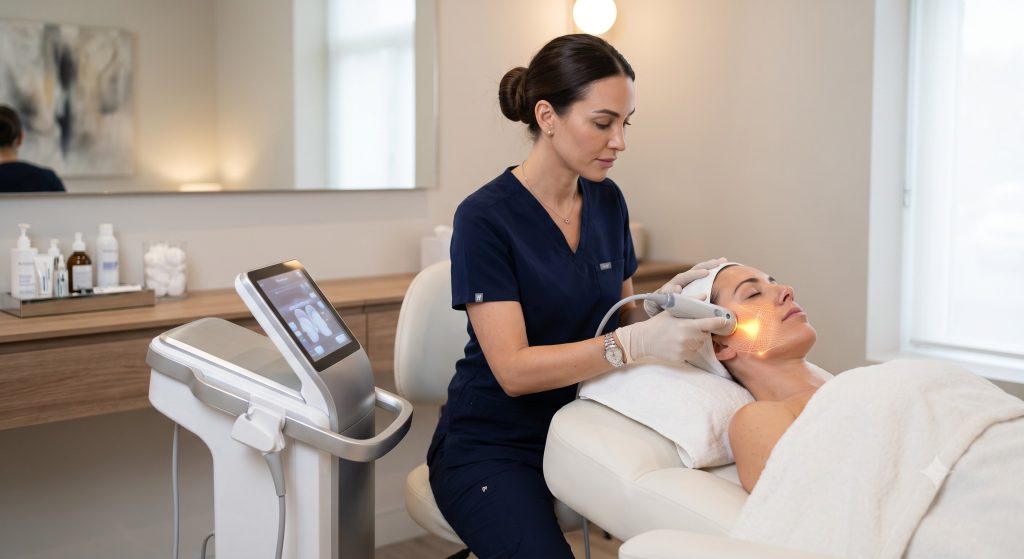
Understanding the mechanism of action is the cornerstone of clinical confidence. Unlike superficial energy-based devices, a medical-grade HIFU system delivers focused ultrasound energy to precise depths within the skin, including the superficial musculoaponeurotic system (SMAS) layer. This is not a thermal ablative process but a controlled coagulative one. The energy is deposited at focal points, raising the tissue temperature to approximately 60°C to 70°C, inducing thermal coagulation points. This process triggers the body’s natural wound-healing response, stimulating a robust cascade of neocollagenesis and elastin production. Over the following three to six months, patients experience progressive tissue tightening and lifting. The clinical efficacy of a HIFU machine is directly correlated to the stability and precision of its energy delivery, which is why a reputable HIFU machine manufacturer for clinics will prioritize high-performance components and rigorous calibration standards, adhering to ISO 13485 and obtaining Medical CE and relevant FDA clearance for specific indications.
Depth Specificity and Transducer Technology
The therapeutic versatility of a HIFU system is determined by its transducer portfolio. Premium manufacturers offer cartridges designed to target depths of 1.5mm (superficial dermis), 3.0mm (deep dermis), and 4.5mm (SMAS layer). Some advanced systems also include a 6.0mm or 10.0mm transducer for body contouring applications. The ability to swap transducers allows clinicians to tailor treatment protocols to individual skin thickness and concerns, from fine lines to significant jowl laxity. A top-tier HIFU machine manufacturer for clinics ensures their transducers provide consistent energy density (Fluence) measured in Joules per pulse, with high precision to avoid epidermal burns or unintended tissue heating. Look for specifications that detail the focal length, treatment line spacing, and shot count per cartridge, as these directly impact consumable costs and treatment efficiency.
Critical Technical Metrics and Operational Specifications
For a technology-driven treatment like HIFU, technical specifications are non-negotiable. The following metrics are essential for evaluating the caliber of a HIFU machine manufacturer for clinics. Precision in these parameters ensures predictable outcomes and high patient satisfaction.
| Key Parameter | Technical Specification / Clinical Significance |
|---|---|
| Transducer Depths | 1.5mm, 3.0mm, 4.5mm (SMAS), and 6.0mm/10.0mm options for body |
| Focal Type | Precise focal point for thermal coagulation (typically < 1mm³) |
| Fluence (Energy Density) | Typically 0.5 to 2.0 Joules per pulse, adjustable based on depth |
| Treatment Lines / Shot Count | Standard cartridges typically offer 1,500 – 2,500 shots |
| Cooling System | Integrated contact cooling or advanced system to minimize epidermal heating |
| Regulatory Certifications | Medical CE, FDA Clearance, ISO 13485 (Quality Management) |
| Display & UI | High-resolution touchscreen with intuitive treatment mapping and protocols |
| Portability | Dimensions and weight for ease of movement within clinical settings |
| Safety Mechanisms | Impedance monitoring, emergency stop, and operator safety features |
Regulatory Compliance and Safety Protocols
Operating an aesthetic device without stringent safety certifications is a liability. A reliable HIFU machine manufacturer for clinics will provide equipment that has undergone rigorous testing for electrical safety, electromagnetic compatibility, and acoustic output. Medical CE certification is mandatory for distribution in European markets, while FDA clearance is critical for the United States, signifying that the device has demonstrated reasonable safety and efficacy for its intended use. Additionally, look for manufacturers who comply with ISO 13485 standards for quality management systems. This ensures consistent manufacturing processes, traceability, and post-market surveillance. Clinics must also ensure that operators are adequately trained, making the availability of comprehensive clinical training and support from the manufacturer a decisive factor in the vendor selection process.
Business Impact: ROI, Consumables, and Clinic Profitability
From a business consultancy perspective, the financial model associated with a HIFU machine manufacturer for clinics is as critical as its clinical efficacy. The total cost of ownership includes the initial CapEx, handpiece/transducer consumables, and maintenance costs. A high-quality manufacturer may command a premium, but this is often offset by higher patient throughput, better clinical results leading to referrals, and lower per-patient consumable costs due to longer cartridge lifespans. For instance, a system that offers 1,500 to 2,500 shots per transducer provides a clear economic advantage. Furthermore, consider the treatment speed. Systems with faster shot intervals reduce session times, allowing clinics to treat more patients per day, thereby accelerating ROI. Marketing the device’s medical certifications and advanced technology also allows for premium pricing strategies. A single full-face HIFU treatment can be priced at $1,000-$2,500 in major US markets, offering a compelling value proposition.
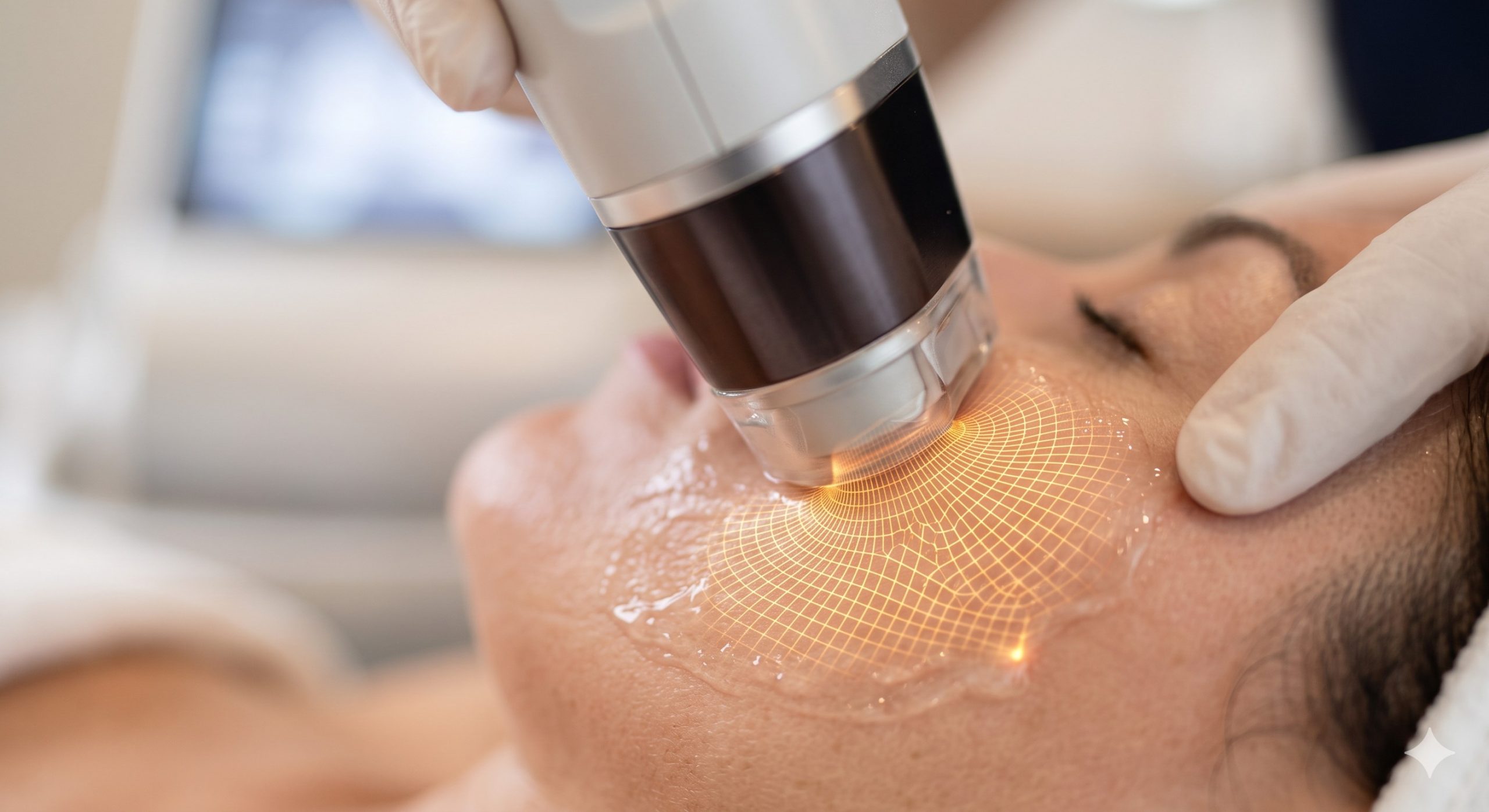
Patient Selection and Treatment Customization for Diverse Demographics
The true clinical power of a HIFU system lies in its versatility. A sophisticated HIFU machine manufacturer for clinics empowers practitioners to customize treatments based on individual anatomical considerations and skin quality. While HIFU is generally safe for all skin types, including darker Fitzpatrick skin types (IV-VI), the skill and experience of the operator are paramount. Clinicians must carefully assess the patient’s tissue thickness and laxity to select the appropriate transducer depth. Over-aggressive treatment in thin-skinned areas can lead to discomfort or temporary side effects. Therefore, the manufacturer’s provision of detailed treatment protocols, anatomical charts, and ongoing clinical support is indispensable. The ability to adjust focal depth allows for a truly personalized approach, addressing not just the face but also the neck, décolleté, and body, expanding the clinic’s service portfolio and attracting a broader patient demographic.
Alleviating Pain and Enhancing Patient Comfort
Patient comfort is a key driver of retention and word-of-mouth referrals. While HIFU is generally well-tolerated, some patients may experience discomfort during energy delivery. A leading HIFU machine manufacturer for clinics will integrate features to mitigate this, such as advanced cooling systems or a more ergonomic handpiece design. Some manufacturers offer software algorithms that adjust energy delivery based on skin impedance, providing a smoother experience. It is advisable for clinics to implement a comprehensive pain management protocol, including the use of topical anesthetics and offering patients clear pre-treatment and post-treatment care instructions. This focus on the patient journey, from initial consultation to follow-up, solidifies the clinic’s reputation for excellence and care.
Conclusion: Strategic Selection as a Business Imperative
The decision to partner with a HIFU machine manufacturer for clinics is a multi-faceted one that extends far beyond the initial purchase. It is an investment in clinical precision, patient safety, and business growth. A manufacturer that demonstrates a commitment to superior engineering, rigorous regulatory compliance (Medical CE, FDA clearance, ISO 13485), and comprehensive post-sale support is indispensable. The ideal partner provides a system that delivers consistent, measurable results, enabling clinics to command premium pricing and build a loyal patient base. By prioritizing technical metrics, understanding the cost of ownership, and selecting a vendor with a proven track record in the aesthetic industry, clinic owners can confidently navigate the competitive landscape and achieve sustainable, profitable growth. The future of aesthetic medicine is non-invasive and technology-driven, and a strategic partnership with a leading HIFU manufacturer is the definitive pathway to clinical and commercial success.