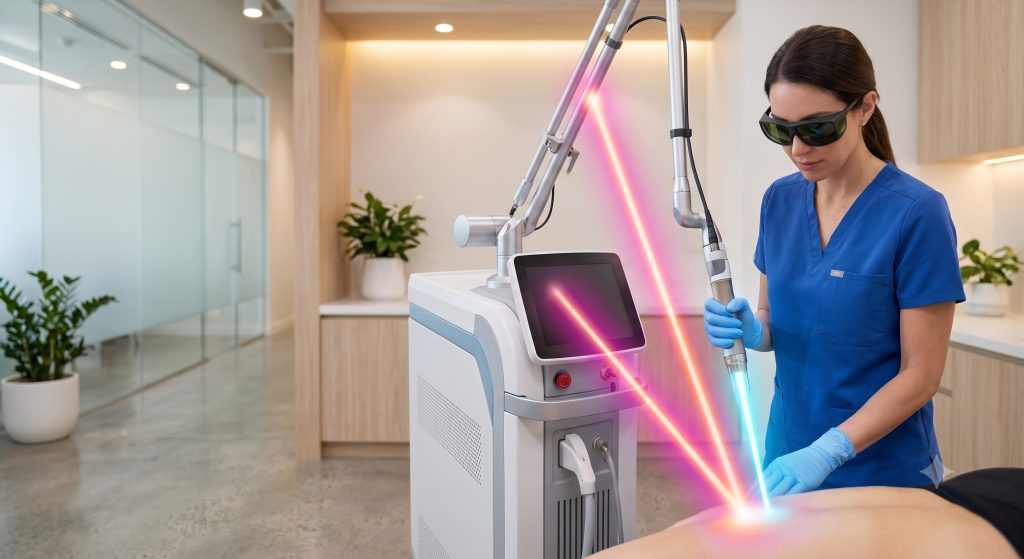
Introduction: The Clinical Imperative for Dual Wavelength Precision
In the evolving landscape of medical aesthetics, the demand for versatile, minimally invasive treatments has never been higher. For the discerning dermatologist and clinic owner, the choice of technology directly impacts clinical outcomes, patient satisfaction, and practice profitability. Enter the dual thulium laser platform—a sophisticated class of devices that leverages the unique properties of thulium-doped crystals to deliver dual-wavelength energy for comprehensive skin resurfacing. This guide provides a deep dive into the technology, examining the clinical data, technical specifications, and strategic value that define a premium dual thulium laser platform manufacturer. We will explore why this technology is rapidly becoming the gold standard for treating photoaged skin, pigmentation, and textural irregularities across all Fitzpatrick skin types .
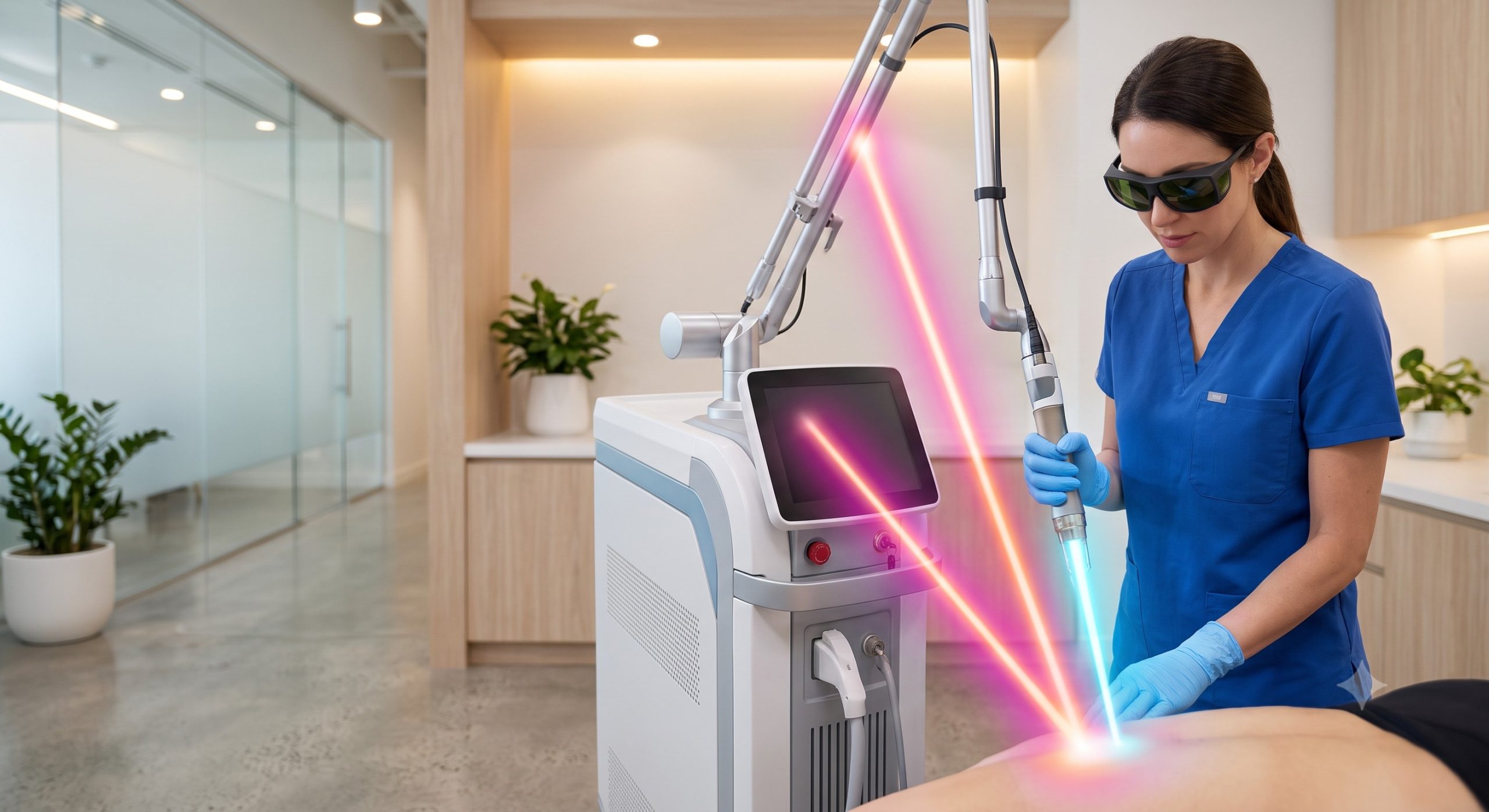
Physical Mechanism & Selective Photothermolysis: 1550nm vs. 1927nm
Understanding the physics behind the dual thulium laser is essential for optimizing treatment protocols. The primary chromophore for both 1550nm and 1927nm wavelengths is water, but their depth of penetration differs significantly, allowing for a bi-layered approach to skin rejuvenation.
The Deep Dermis: 1550nm (Erbium-like) Penetration
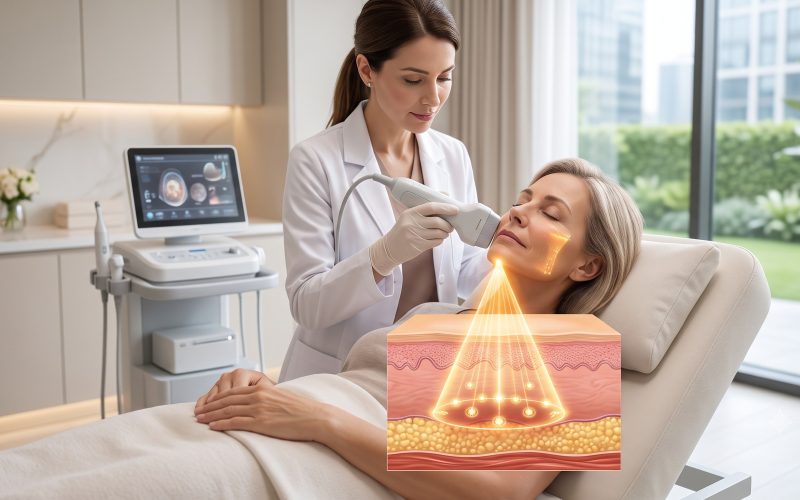
The 1550nm wavelength penetrates deeper into the dermis (up to 1-3 mm), creating columns of thermal damage known as microscopic treatment zones (MTZs). This process stimulates neocollagenesis and dermal remodeling, making it highly effective for treating wrinkles, acne scars, and rhytides . The deeper penetration targets the structural foundation of the skin, promoting long-term tightening and texture improvement.
The Superficial Epidermis: 1927nm (Thulium) Penetration
Conversely, the 1927nm wavelength is more superficially absorbed, targeting the epidermis with high precision. This makes it the ideal tool for addressing superficial pigmentation, melasma, sunspots, and actinic keratosis . By selectively targeting melanin and water in the upper skin layers, the 1927nm wavelength effectively clears pigmented lesions with minimal downtime, offering a non-ablative approach to skin tone evening .
The synergy of these two wavelengths in a single platform allows practitioners to treat multiple layers of the skin in one session, offering a comprehensive solution that legacy single-wavelength lasers cannot match. This dual approach is supported by clinical data showing significant improvements in both dermal laxity and pigmentary irregularities .
Core Technical Specifications: The Engine of Efficacy
When evaluating a dual thulium laser platform manufacturer, the technical specifications are non-negotiable. These parameters dictate clinical versatility, safety, and treatment outcomes. A top-tier platform must offer a wide range of adjustable settings to cater to diverse patient demographics and skin concerns. Below is a comparative analysis of key performance metrics based on industry standards and clinical best practices .
| Key Parameter | Technical Specification |
|---|---|
| Wavelengths | 1550nm (Erbium Fiber) & 1927nm (Thulium Fiber) |
| Laser Type | Non-Ablative Fractional |
| Energy per Microbeam | 1 – 120 mJ |
| Laser Power | Up to 15W per wavelength |
| Pulse Width | 1 – 20 ms per dot |
| Scan Area (Variable) | Up to 20 x 20 mm |
| Cooling System | Sapphire Contact Cooling & Advanced Air Cooling |
| Skin Types | Fitzpatrick I-VI |
| Regulatory | FDA Cleared, Medical CE, ISO 13485 |
Epidermal Protection: Sapphire Cooling & Safety Mechanisms
Patient comfort and safety are paramount in aesthetic medicine. Effective epidermal cooling is critical to prevent thermal burns and minimize pain, especially when using higher fluences for deeper dermal heating. Premium dual thulium laser platforms integrate advanced cooling systems to protect the epidermis.
Sapphire Contact Cooling Technology
High-end manufacturers utilize Sapphire Contact Cooling, a technology that actively cools the skin’s surface both before and after the laser pulse. Sapphire, with its high thermal conductivity, efficiently draws heat away from the epidermis, allowing for safe delivery of high energies to the targeted tissue. This not only enhances patient safety but also significantly improves comfort, often eliminating the need for topical anesthesia .
Furthermore, built-in safety mechanisms like impedance monitoring and real-time temperature feedback ensure that the device operates within safe parameters, reducing the risk of adverse events like post-inflammatory hyperpigmentation (PIH), particularly in higher Fitzpatrick skin types .
Clinical Indications & Fitzpatrick Scale Versatility
One of the most compelling advantages of a dual thulium laser is its versatility across a wide range of indications and all Fitzpatrick skin types (I-VI) . This adaptability is a key factor in maximizing clinic ROI, as it allows practitioners to treat a broader patient base.
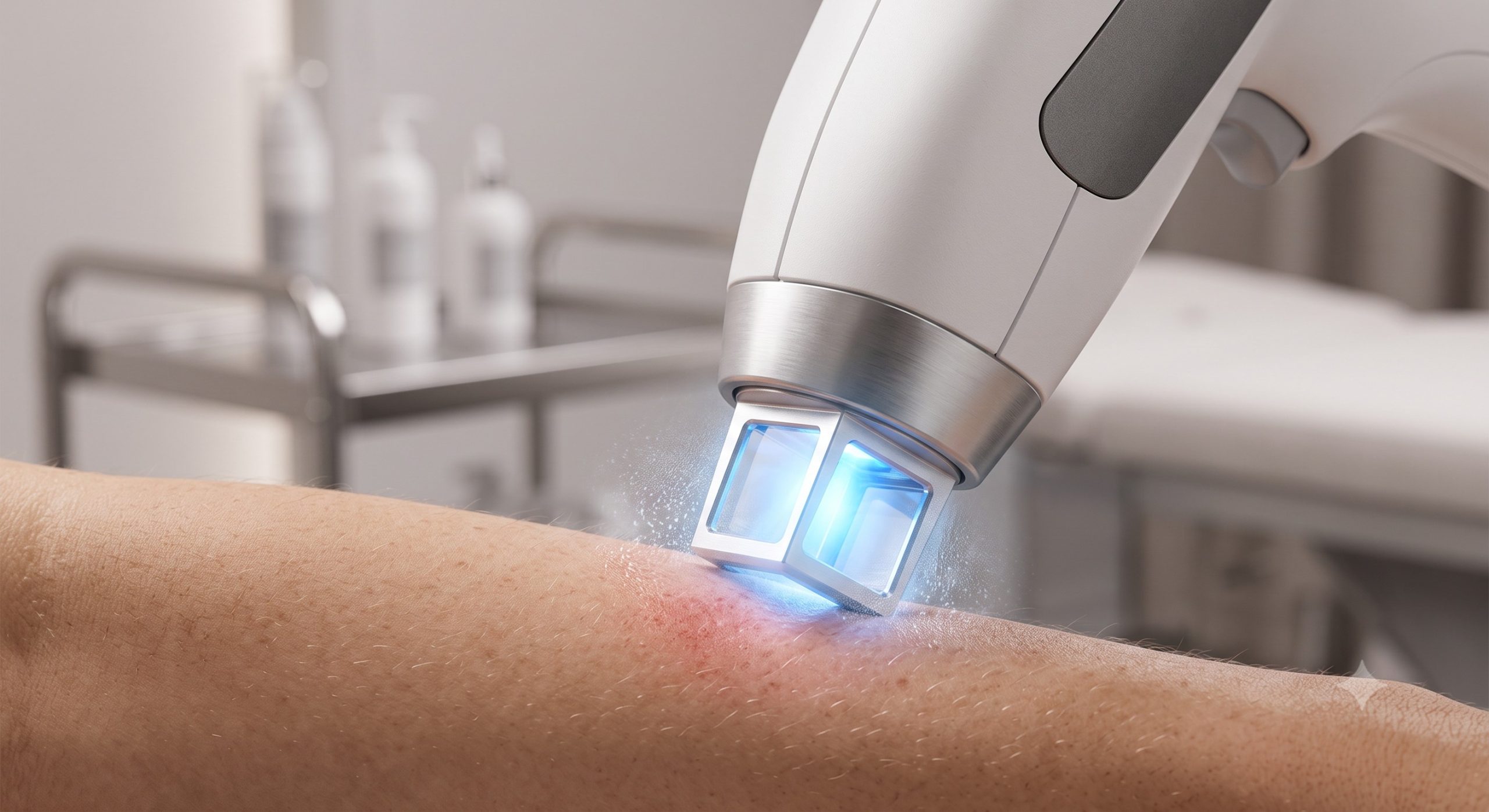
Primary Indications
- Pigmentary Disorders: Melasma, solar lentigines (sun/age spots), and post-inflammatory hyperpigmentation. The 1927nm wavelength is particularly effective for these superficial concerns .
- Textural Irregularities: Fine lines, wrinkles, and rough skin texture. The 1550nm wavelength stimulates collagen production to smooth the skin’s surface.
- Scarring: Atrophic acne scars and surgical scars. The deep dermal heating from the 1550nm wavelength promotes significant scar remodeling .
- Enlarged Pores: Both wavelengths can help reduce the appearance of enlarged pores by tightening the skin.
- Laser-Assisted Drug Delivery (LADD): The microchannels created by the laser facilitate enhanced penetration of topical agents like hyaluronic acid, boosting their efficacy .
Treating Fitzpatrick Skin Types I-VI
Unlike older technologies like IPL, which carry a high risk of complications in darker skin types, the dual thulium laser offers a safer profile due to its wavelength specificity and advanced cooling. While treatment parameters must be carefully adjusted (lower fluences, higher coverage for darker skin), this technology is clinically validated for safe and effective use across all skin types .
Clinic ROI: Why Manufacturers Matter
Choosing the right dual thulium laser platform manufacturer is a strategic business decision. A manufacturer’s reputation for quality, regulatory compliance (FDA, Medical CE, ISO 13485), and after-sales support directly influences the longevity and profitability of your investment. Working with an established manufacturer ensures access to reliable hardware, consistent energy output, and comprehensive training. This minimizes downtime, reduces consumable costs, and maximizes treatment throughput, all of which contribute to a strong return on investment .
Conclusion: The Future of Skin Resurfacing
The dual thulium laser platform represents a paradigm shift in aesthetic dermatology, offering an unmatched combination of safety, efficacy, and versatility. By harnessing the complementary powers of 1550nm and 1927nm wavelengths, these devices empower clinicians to deliver superior outcomes for a wide array of skin concerns. For the forward-thinking clinic, selecting a premier dual thulium laser platform manufacturer is an investment in clinical excellence, patient satisfaction, and sustainable business growth.