Introduction: The Clinical Imperative for Advanced Picosecond Technology
In the competitive landscape of modern medical aesthetics, the choice of a picosecond laser machine manufacturer is a strategic decision that directly impacts clinical outcomes, patient safety, and business profitability. As clinics transition from traditional nanosecond (Q-switched) devices, the shift toward ultra-short picosecond pulses—delivered in trillionths of a second—has redefined treatment paradigms for tattoo removal, pigmented lesions, and skin rejuvenation. This guide provides a comprehensive, clinical-grade analysis of the technology, evaluating key metrics such as wavelength versatility (755nm, 808nm, 1064nm), peak power, and pulse width to help B2B decision-makers select a partner that ensures superior efficacy and a robust return on investment (ROI) .
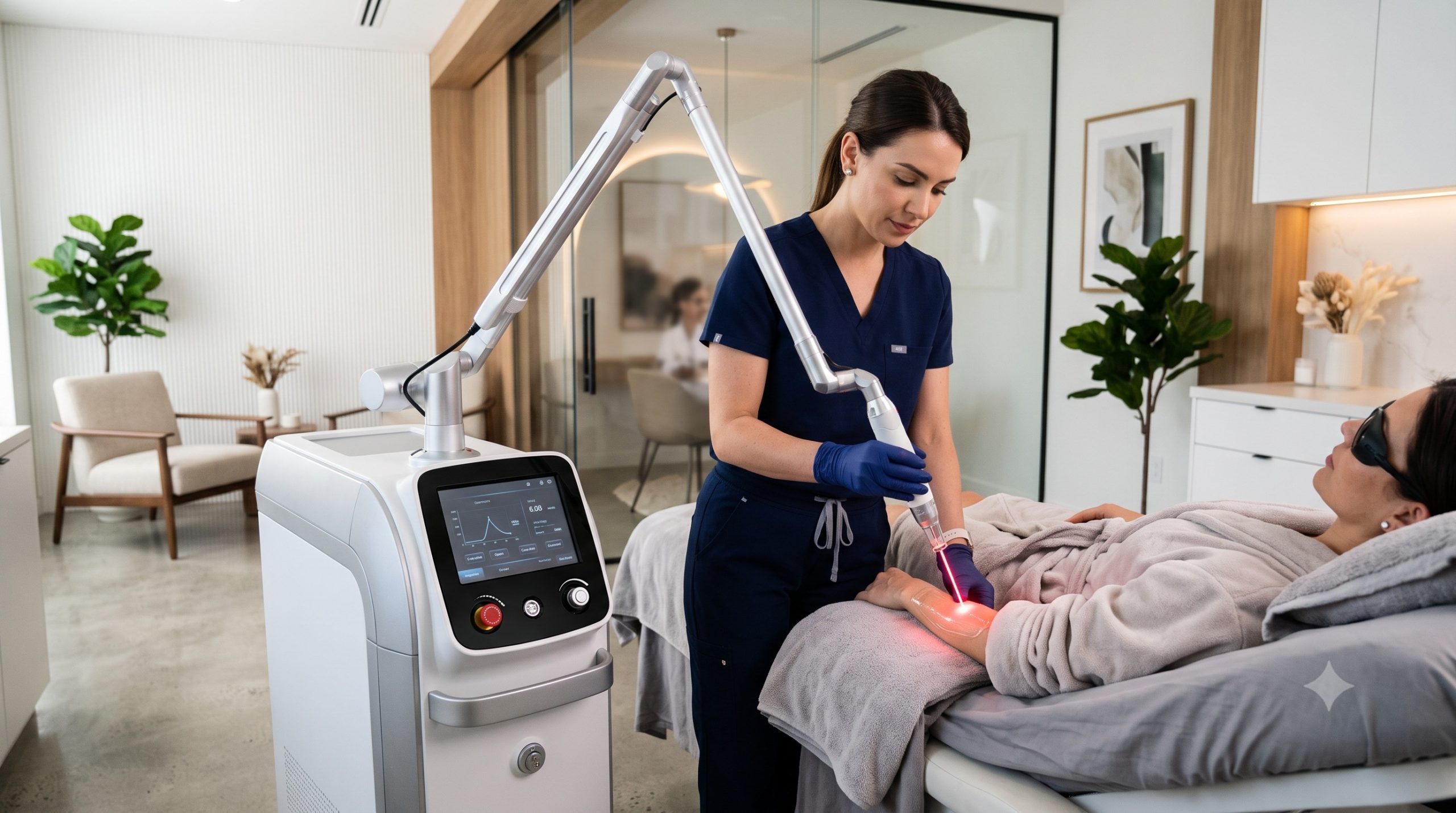
Physical Mechanism: Selective Photothermolysis and Photoacoustic Effect
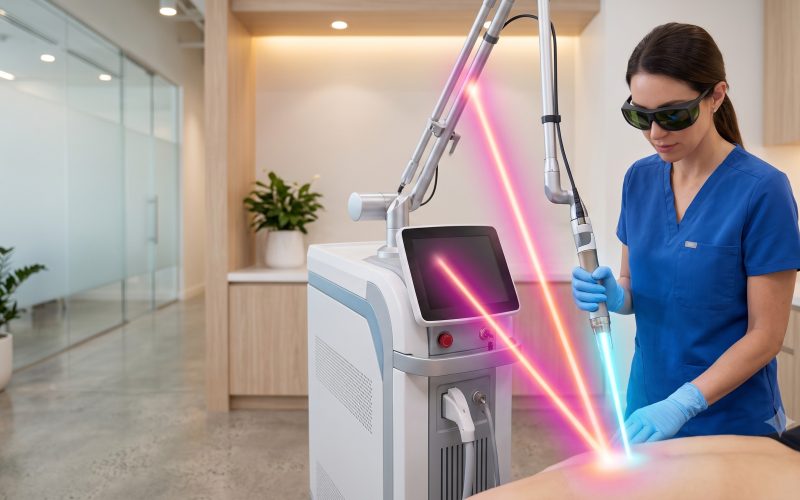
The fundamental advantage of picosecond technology lies in its physical interaction with chromophores. Unlike nanosecond lasers that rely predominantly on photothermal heating (which can cause collateral thermal damage and post-inflammatory hyperpigmentation or PIH), picosecond lasers leverage a powerful photoacoustic effect . The ultra-short pulse duration, typically ranging from 250 to 350 picoseconds (ps), generates a high peak power that shatters targeted pigment and tattoo ink particles into microscopic dust. This mechanical disruption allows for more efficient clearance by the lymphatic system while minimizing thermal diffusion to surrounding tissue . This mechanism is governed by the principle of selective photothermolysis, optimized for pulse durations shorter than the thermal relaxation time of the target chromophores.
Technical Metrics and Specifications
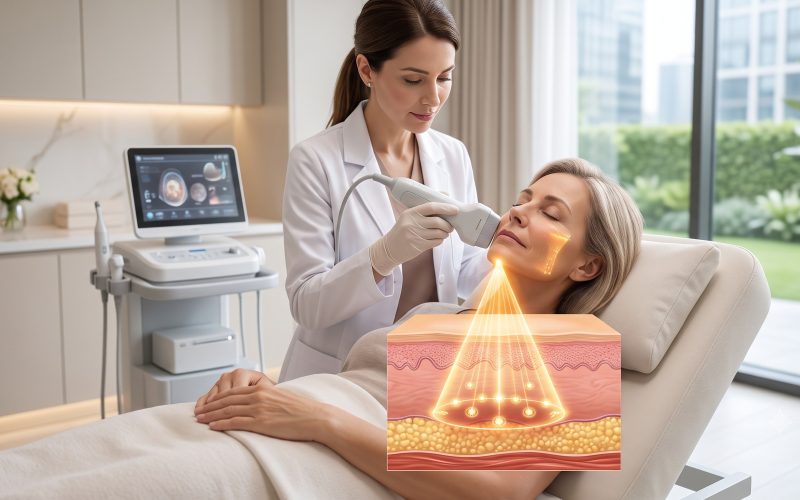
When evaluating a picosecond laser machine manufacturer, clinical efficacy is defined by specific engineering parameters. A benchmark system, such as the Nd:YAG platform, operates at 1064nm for deep-penetrating treatments and frequency-doubled 532nm for superficial pigments. Advanced models from elite picosecond laser machine manufacturers offer a 755nm wavelength (Alexandrite) specifically optimized for green tattoo inks and melanin targets . High-performance devices feature pulse durations as short as 250 ps and a peak power of up to 2.0 GW . This ultra-short pulse ensures that the laser energy is delivered so rapidly that it induces Laser-Induced Optical Breakdown (LIOB) in the dermis, stimulating neocollagenesis for non-ablative skin rejuvenation without epidermal injury . The stability of this output, often defined as energy instability of less than ±5%, is critical for consistent clinical results .
| Key Parameter | Clinical / Technical Specification |
|---|---|
| Laser Type | Nd:YAG / Alexandrite (Diode-pumped Solid-State) |
| Wavelengths | 1064nm (Deep), 755nm (Pigment/Green Ink), 532nm (Superficial) |
| Pulse Duration | 250ps – 350ps (Ultra-short) |
| Peak Power | Up to 2.0 GW |
| Energy Instability | < ±5% |
| Cooling System | Sapphire Contact Cooling / TEC |
| Certifications | Medical CE (MDR), FDA 510(k), ISO 13485, IEC 60601 |
Regulatory Compliance and Quality Assurance: MDR, FDA, and ISO 13485
In the medical device industry, compliance is non-negotiable. A reputable picosecond laser machine manufacturer must demonstrate adherence to stringent international standards to ensure patient safety and clinic liability protection. This includes Medical CE marking under the European Medical Device Regulation (MDR EU 2017/745) and FDA 510(k) clearance . Furthermore, manufacturing facilities should be certified to ISO 13485:2016, which specifies requirements for a quality management system specific to the medical device industry .
For clinic operators, these certifications are not just paperwork; they represent rigorous testing of electrical safety (IEC 60601-1), laser product safety (IEC 60825-1), and electromagnetic compatibility (IEC 60601-1-2) . Choosing a manufacturer that aligns with these standards ensures the device’s integrity, protects against regulatory audits, and provides confidence in the hardware’s durability and clinical claims.
Treatment Versatility: Indications and Fitzpatrick Skin Types
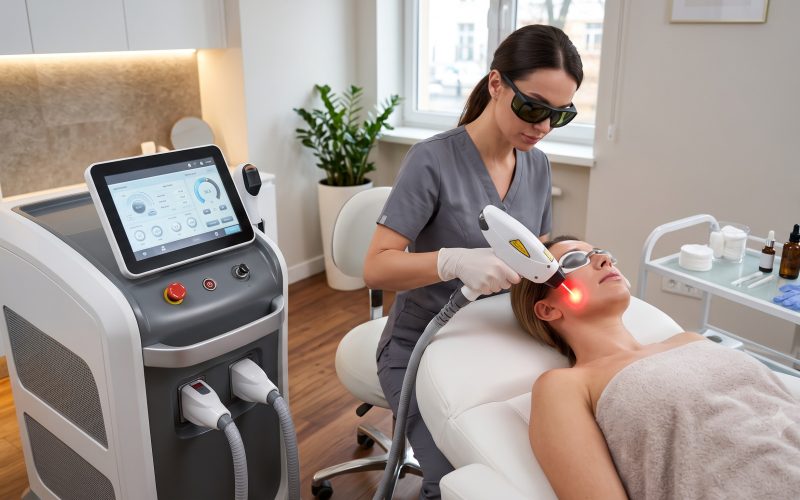
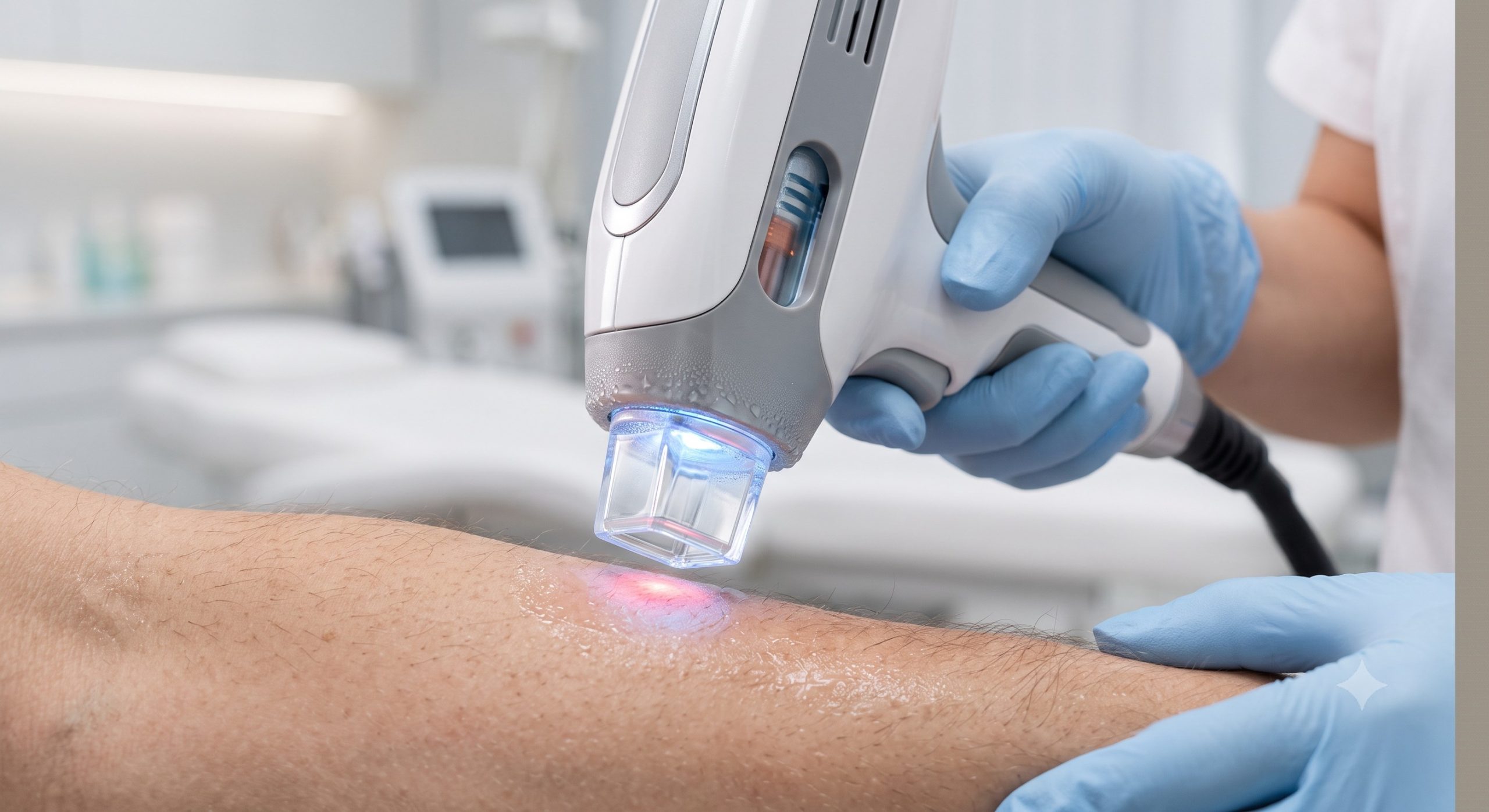
One of the primary drivers of ROI is the device’s versatility. A high-quality picosecond machine serves as a multi-modality platform, capable of addressing a wide spectrum of dermatological conditions, including tattoo removal (multicolor), melasma, sunspots, acne scars, and general skin rejuvenation (brightening and pore reduction) . The availability of multiple handpieces, such as Zoom handpieces for precise spot sizing and Micro Lens Array (MLA) or Diffractive Optical Elements (DOE) for fractional rejuvenation, expands the clinic’s service portfolio .
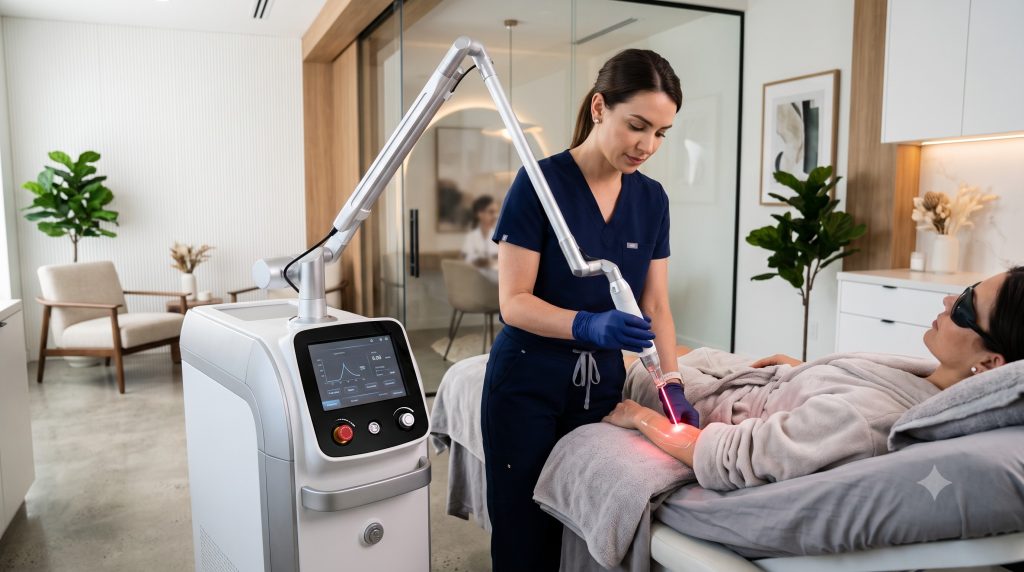
Safety across all skin phototypes is a hallmark of superior picosecond engineering. Because the photoacoustic mechanism reduces thermal buildup, picosecond lasers are safer for treating Fitzpatrick Skin Types I-VI, significantly lowering the risk of PIH compared to older Q-switched technologies .
Clinic ROI: Total Cost of Ownership (TCO) and Throughput
Beyond clinical performance, the business case for a top-tier picosecond laser machine manufacturer is compelling. The primary consumable in a solid-state laser is the flashlamp, which is rated for tens of millions of shots, ensuring that the actual consumable cost per treatment session is remarkably low (typically under $2.00) . This allows clinics to maintain high margins on premium treatments.
The speed of treatment is another key factor. Typical procedures take between 15 to 30 minutes. This high patient throughput—coupled with the ability to charge premium fees due to superior efficacy and reduced downtime—results in a rapid capital payback period, often estimated between 4 to 8 months . A low Total Cost of Ownership (TCO) combined with a high average fee per session (often ranging from $300 to $600) makes the picosecond laser one of the most profitable investments in the medical aesthetics sector .
Conclusion: Selecting the Right Manufacturing Partner
The decision to invest in a picosecond laser is a strategic step toward clinical excellence and business growth. The ideal picosecond laser machine manufacturer distinguishes itself through advanced engineering—offering robust multi-wavelength configurations, ultra-short pulse widths (250-350ps), and high peak power—while adhering to the highest regulatory standards (MDR, FDA, ISO 13485). By prioritizing these technical specifications and understanding the mechanisms of photoacoustic action, clinics can ensure superior patient outcomes, maximize operational efficiency, and secure a commanding lead in the aesthetic market.