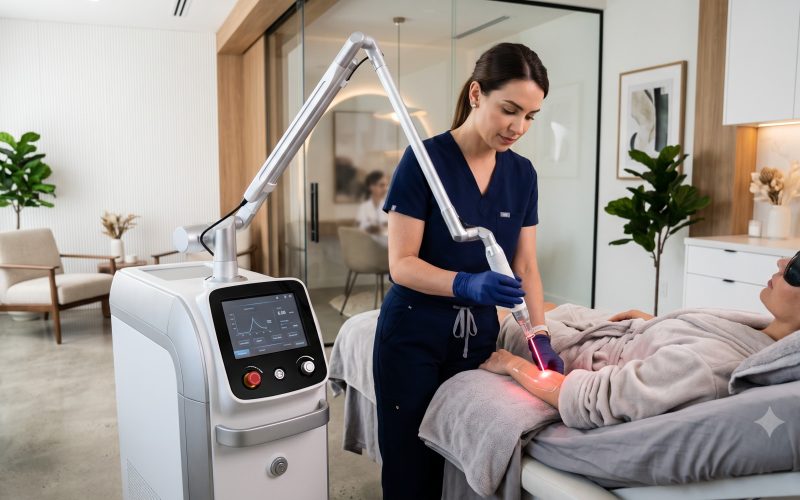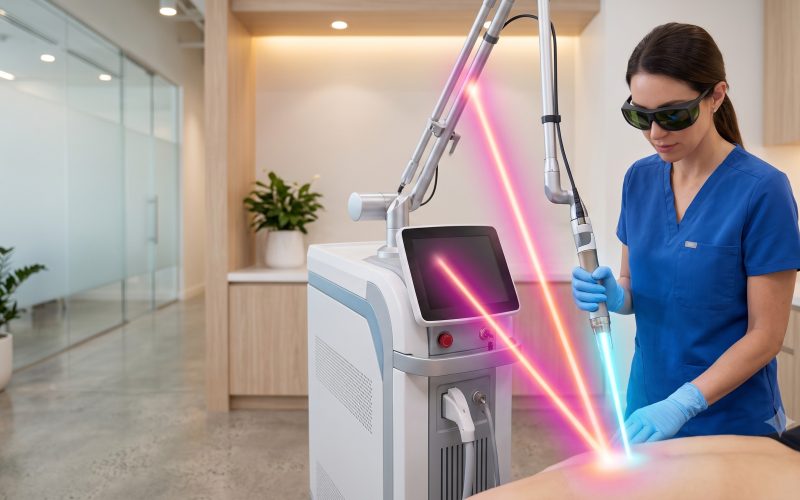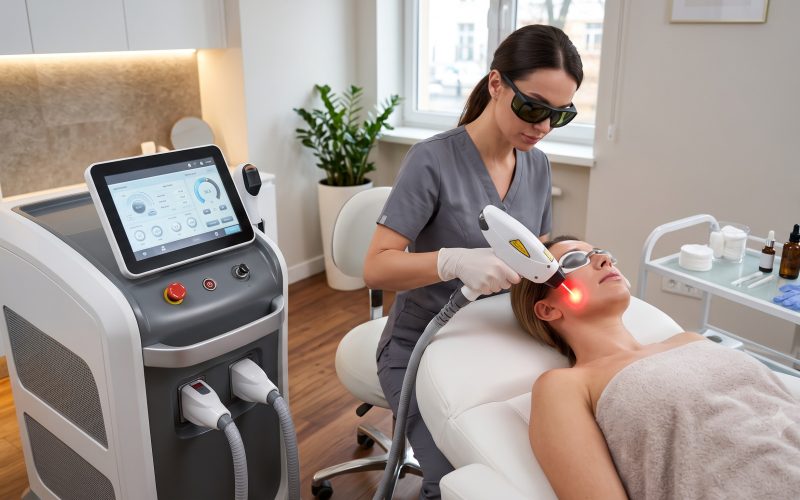
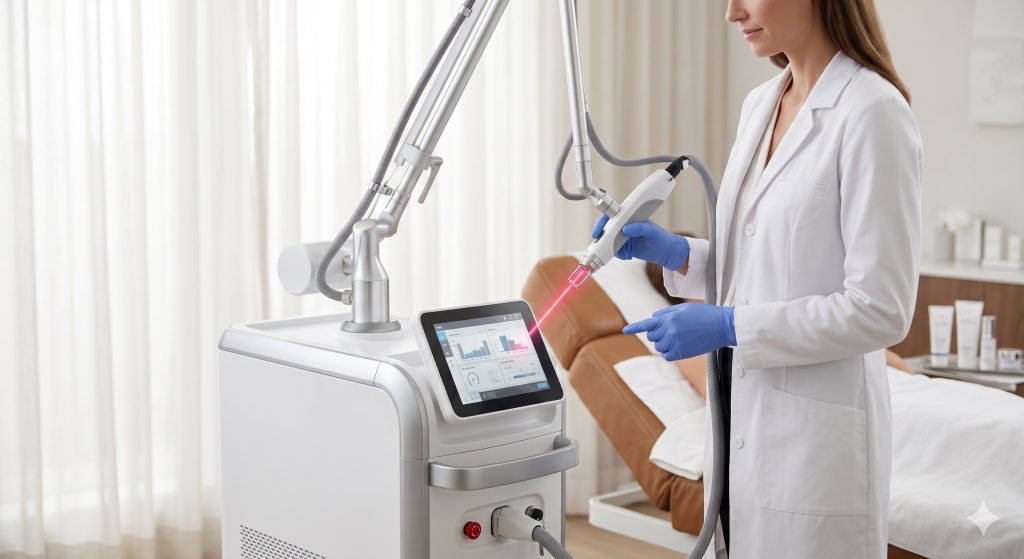
Introduction: The Strategic Imperative of Advanced Aesthetic Laser Equipment
In the highly competitive landscape of modern medical aesthetics, the decision to invest in aesthetic laser equipment is one of the most critical strategic moves a clinic can make. The market has evolved far beyond simple hair removal; today’s discerning patients demand comprehensive, non-invasive solutions for skin rejuvenation, vascular lesions, and pigmentation with minimal downtime. However, the proliferation of technology presents a challenge: how does a clinic owner, dermatologist, or med spa director navigate the complex specifications to select a system that guarantees clinical efficacy, patient safety, and a robust return on investment (ROI)? This guide provides a deep, data-driven analysis of aesthetic laser equipment, dissecting the physics of selective photothermolysis, critical hardware metrics, and the business intelligence required to make a profitable procurement decision.
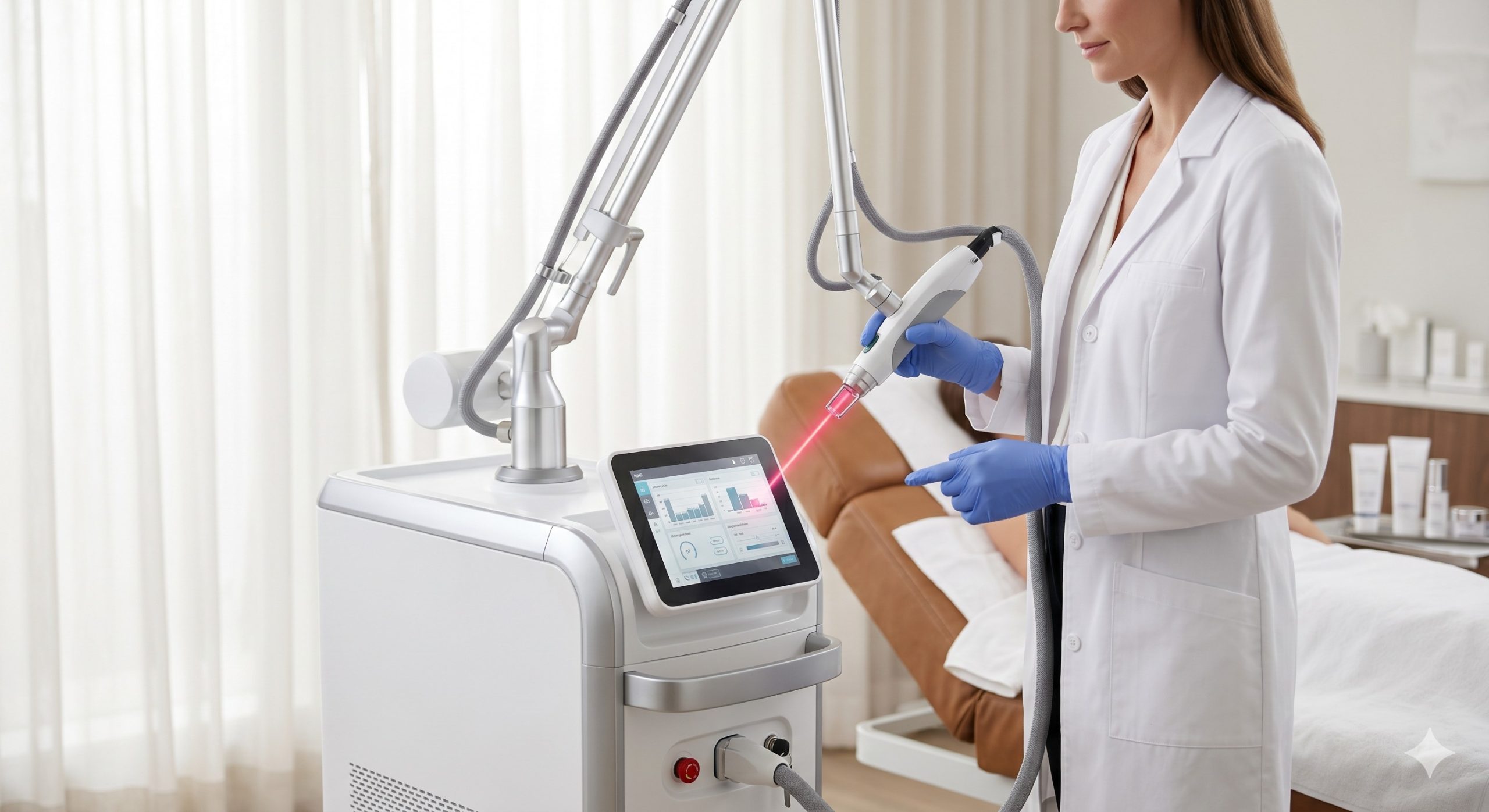
Clinical Efficacy: The Science of Selective Photothermolysis
Understanding the clinical performance of any aesthetic laser equipment begins with the principle of selective photothermolysis. This foundational concept dictates that a specific wavelength of light must be absorbed by a target chromophore (such as melanin in hair follicles or hemoglobin in blood vessels) within a time interval—the thermal relaxation time—short enough to confine heat to the target, thereby destroying it without damaging the surrounding epidermis. The core technical metrics that govern this interaction are wavelength, fluence (energy density), pulse width, and spot size .
Wavelength Selection and Tissue Interaction
Different wavelengths offer varied depths of penetration and selectivity. The most common and clinically validated wavelengths in modern aesthetic laser equipment include 755 nm, 808 nm, and 1064 nm. The 755 nm Alexandrite wavelength is highly absorbed by melanin, making it exceptionally effective for hair reduction and pigmented lesions, particularly on Fitzpatrick skin types I-III. The 808 nm diode laser offers a balance of melanin absorption and penetration depth, serving as a versatile workhorse for hair removal. Finally, the 1064 nm Nd:YAG wavelength has low melanin absorption but deep tissue penetration, making it the gold standard for treating vascular lesions and providing safe treatments for darker skin types (Fitzpatrick IV-VI). Advanced platforms like the XP Dynamis leverage the 1064 nm wavelength for deep dermal heating with proprietary PIANO mode, which uses super-long pulses to gently heat the tissue, providing significant skin tightening and rejuvenation effects while protecting the epidermis . Furthermore, research highlights the utility of the 595 nm pulsed dye laser for targeting hemoglobin in vascularized lesions, such as port-wine stains and acne scars, demonstrating how precise wavelength selection is crucial for treating specific indications .
Parameter Optimization: Fluence, Pulse Width, and Spot Size
Beyond wavelength, the device’s technical ability to modulate fluence, pulse width, and spot size is what separates premium aesthetic laser equipment from consumer-grade devices. Fluence, measured in Joules per square centimeter (J/cm²), is the energy delivered to the tissue and must be carefully titrated to achieve clinical clearance without causing burns or PIH. Pulse width, measured in milliseconds, must be matched to the thermal relaxation time of the target; a pulse that is too short can cause epidermal rupture, while a pulse that is too long may dissipate heat to surrounding tissue, reducing efficacy. Systems with advanced pulse control, such as Fotona’s VSP technology, offer clinicians the flexibility to create virtually instantaneous temperature increases limited to the targeted structures . Additionally, large spot sizes, up to 24 mm on some platforms, facilitate faster treatment times and deeper energy penetration due to reduced light scattering, a critical feature for high-throughput clinics .
Patient Safety and Regulatory Compliance: A Non-Negotiable Foundation
Safety is the bedrock of clinical practice. Legitimate aesthetic laser equipment must adhere to rigorous international standards to ensure patient safety and protect the clinic from liability. High-quality devices hold Medical CE certification for the European market and FDA clearance for the United States, demonstrating that they have passed stringent safety and efficacy evaluations . Furthermore, the ISO 13485 standard governs the quality management system for the design and manufacture of medical devices, ensuring consistent performance.
Epidermal Protection: The Cooling Imperative
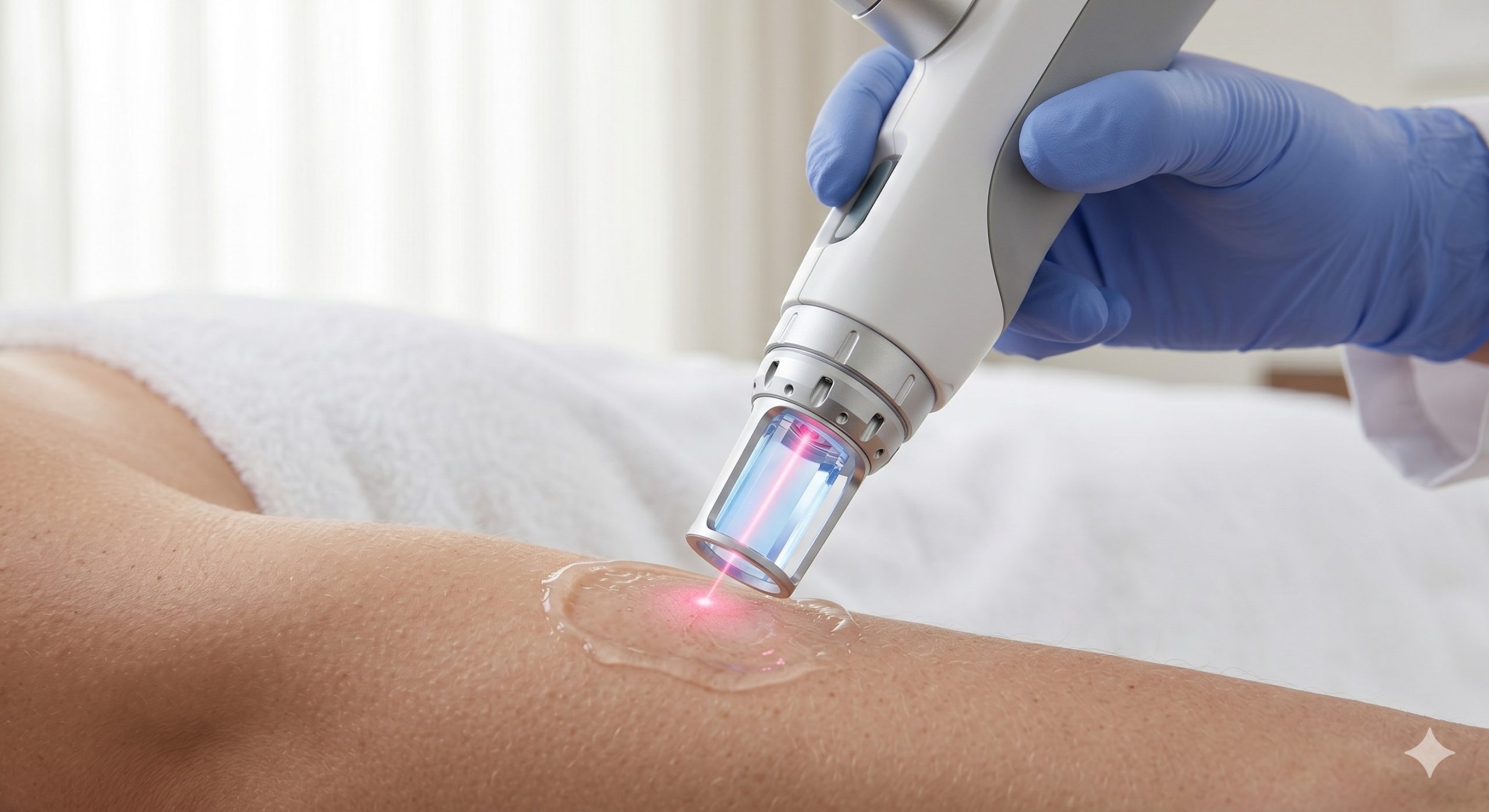
To safely deliver high fluences to the dermal target without ablating the epidermis, advanced aesthetic laser equipment integrates sophisticated cooling systems. There are two primary methodologies: Contact Cooling and Dynamic Cooling. Contact cooling, often achieved with a sapphire tip, cools the epidermis through direct contact, providing a stable temperature plateau during the pulse. For instance, the “Sapphire ICE” cooling system is a key differentiator for high-end diode lasers, maintaining a constant low temperature at the treatment interface to maximize patient comfort and safety. Other systems, like the Candela Vbeam, utilize Dynamic Cooling Device (DCD) technology, which sprays a precise burst of cryogen onto the skin milliseconds before the laser pulse, protecting the epidermis while allowing full energy delivery to the target .
Technical Specifications: Decoding the Hardware
A deep dive into the internal hardware reveals the true quality and longevity of the equipment. Key considerations include the laser source (diode vs. flashlamp-pumped), peak power, and the durability of the handpiece. High-end systems often utilize imported laser bars and high-capacity power supplies to ensure stable energy output over millions of shots.
| Key Parameter | Clinical & Technical Significance |
|---|---|
| Wavelength (e.g., 755nm, 808nm, 1064nm) | Determines target chromophore (melanin/hemoglobin) and depth of penetration; selecting the correct wavelength is critical for treating specific lesions and skin types. |
| Spot Size (e.g., Up to 24mm) | Larger spot sizes enable deeper penetration and faster treatment coverage, essential for high-throughput clinics and large area treatments. |
| Energy Density / Fluence (J/cm²) | The energy delivered per unit area; must be optimized to achieve clinical clearance without causing thermal damage to the epidermis. |
| Pulse Width (ms) | Must be shorter than the target’s thermal relaxation time to ensure selective photothermolysis and prevent collateral tissue damage. |
| Cooling System (e.g., Sapphire ICE/DCD) | Protects the epidermis by maintaining a low temperature, allowing for safe delivery of high fluences and maximizing patient comfort. |
| Peak Power / Output Stability | Indicates the raw power of the laser engine; high stability ensures consistent clinical outcomes and long-term device reliability. |
Core Output Parameters
For clinic buyers, evaluating the technical data sheet is essential. For instance, a high-powered 1064nm Long Pulse Laser Module might boast an average power of 800 W, a single pulse energy of up to 80 J, and a maximum peak power of 10,000 W with pulse widths ranging from 0.3 to 300 ms . These specifications dictate the device’s ability to perform high-energy, deep-penetrating treatments. The internal power supply, often an IGBT (Insulated Gate Bipolar Transistor) type, provides the necessary current to the pump sources (e.g., dual flashlamps) to achieve these intense outputs . Clinics must also consider the cooling requirements of the base unit; water-to-water or internal water-cooled circuits maintain the laser module’s temperature, preventing overheating and ensuring consistent output stability, typically requiring a strict maintenance schedule for deionized water with conductivity below 20 μs/cm .
Business ROI: Maximizing Clinic Profitability
Beyond the clinical science, the decision to procure aesthetic laser equipment is a business investment. The true measure of ROI extends beyond the initial purchase price (CapEx) to include operational costs (OpEx) and revenue generation potential. A device that is a single-treatment platform will inevitably limit revenue streams; in contrast, a multi-application platform can maximize utilization and patient lifetime value.
Versatility and Revenue Generation
The most profitable aesthetic laser equipment allows clinics to expand their service menu. A single platform capable of performing laser hair removal, facial rejuvenation, body contouring, vascular lesion removal, and acne treatments, such as the Fotona XP Dynamis, provides a significant financial advantage over single-function devices . This versatility enables clinics to offer high-ticket treatment packages and customized combination therapies, increasing the average transaction value per patient. By positioning the device as a central pillar of the practice, clinics can diversify their patient base, reduce reliance on seasonal or niche treatments, and ensure consistent device utilization .
Consumable Costs and Total Cost of Ownership (TCO)
A critical aspect of ROI analysis is the Total Cost of Ownership (TCO). Many aesthetic laser equipment manufacturers lock clinics into a recurring expense model through expensive, single-use consumables or treatment tips. Each treatment session incurs a variable cost that directly cuts into profit margins. Conversely, platforms with minimal consumable costs, such as the Fotona laser systems, allow clinics to retain a higher percentage of the treatment fee . This factor is crucial for high-volume clinics. To calculate the ROI quickly, use the formula: (Net Revenue per Treatment – Variable Cost per Treatment) × Average Weekly Treatments × 52 weeks = Annual Gross Profit. A well-chosen system priced between $15,000-$30,000 can achieve full ROI within 6 to 12 months when performing 15-20 treatments per week .
Conclusion: A Strategic Asset for Growth
Investing in aesthetic laser equipment is a transformative decision that must be driven by a deep understanding of both clinical science and business strategy. The ideal system is not merely a device but a strategic asset that enhances clinical outcomes, elevates patient safety through robust cooling and regulatory compliance, and drives sustainable revenue growth through versatility and low operating costs. By prioritizing devices with proven technical specifications, multi-application capabilities, and a low cost of ownership, clinics can secure a significant competitive advantage and deliver superior value to their patients in the dynamic field of aesthetic medicine.