Introduction: The Clinical Evolution of Skin Resurfacing
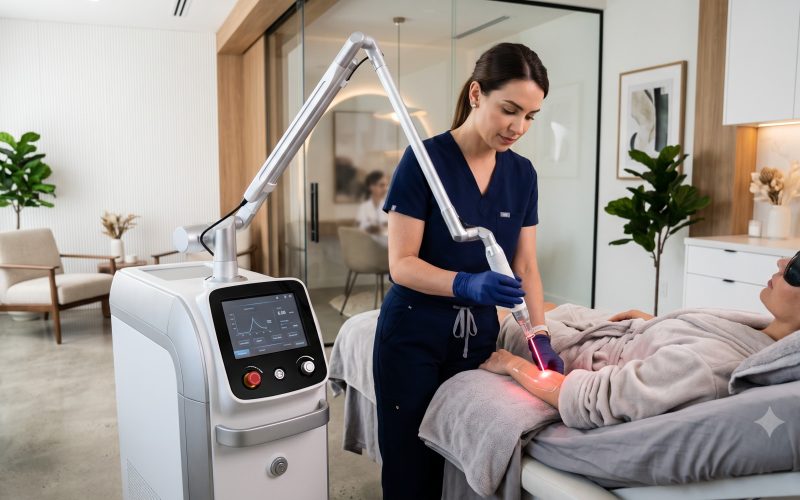
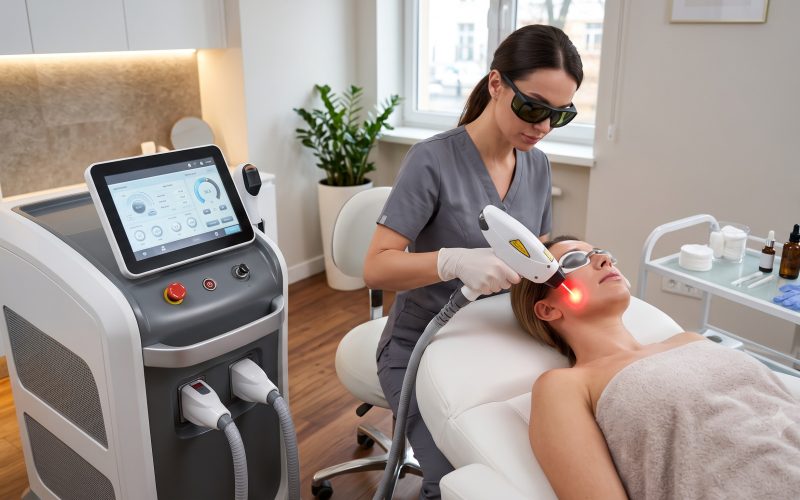
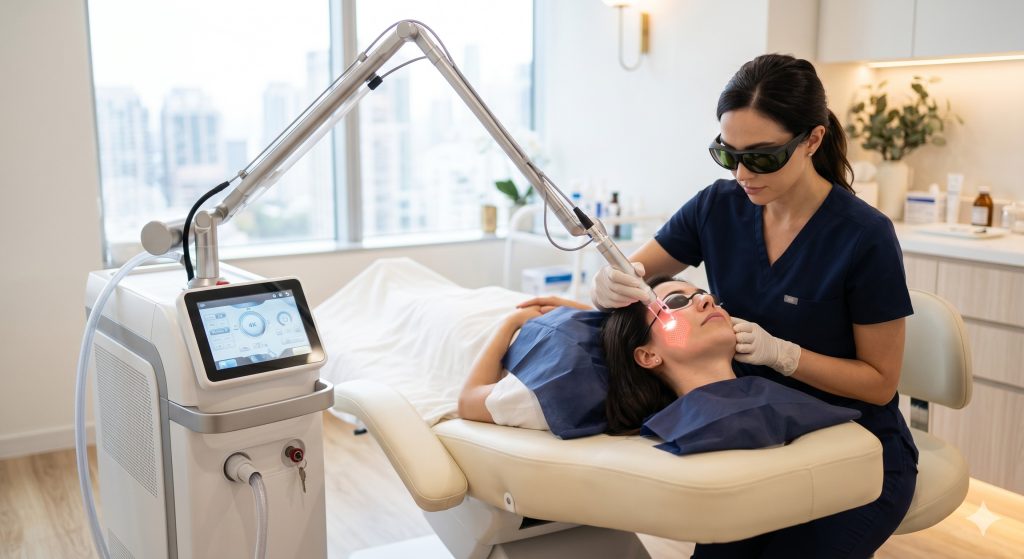
In the dynamic landscape of medical aesthetics, the fractional laser machine has emerged as a cornerstone technology for dermatologists and clinic owners seeking to deliver transformative results. Unlike traditional ablative lasers that remove entire skin layers, fractional technology creates microscopic thermal zones, leaving surrounding tissue intact for rapid healing. This sophisticated approach bridges the gap between non-ablative and fully ablative modalities, providing a versatile solution for a wide range of indications, from photoaging and scars to melasma. For the discerning practitioner, selecting the right fractional system requires a deep understanding of its technological infrastructure, safety protocols, and financial implications.
This comprehensive guide is designed to provide an authoritative, clinically-driven analysis of the fractional laser machine. We will dissect the physics of selective photothermolysis, evaluate critical performance metrics, compare it against legacy technologies, and assess its return on investment for a modern med spa. By the end of this article, you will possess the technical acumen necessary to make an informed procurement decision that elevates your clinical practice.
Physical Mechanisms: Selective Photothermolysis & Tissue Interaction
Understanding the Fractional Phenomenon
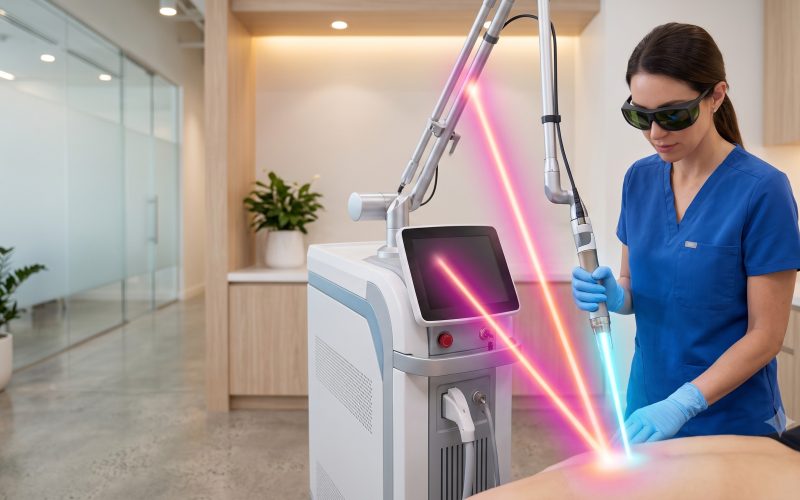
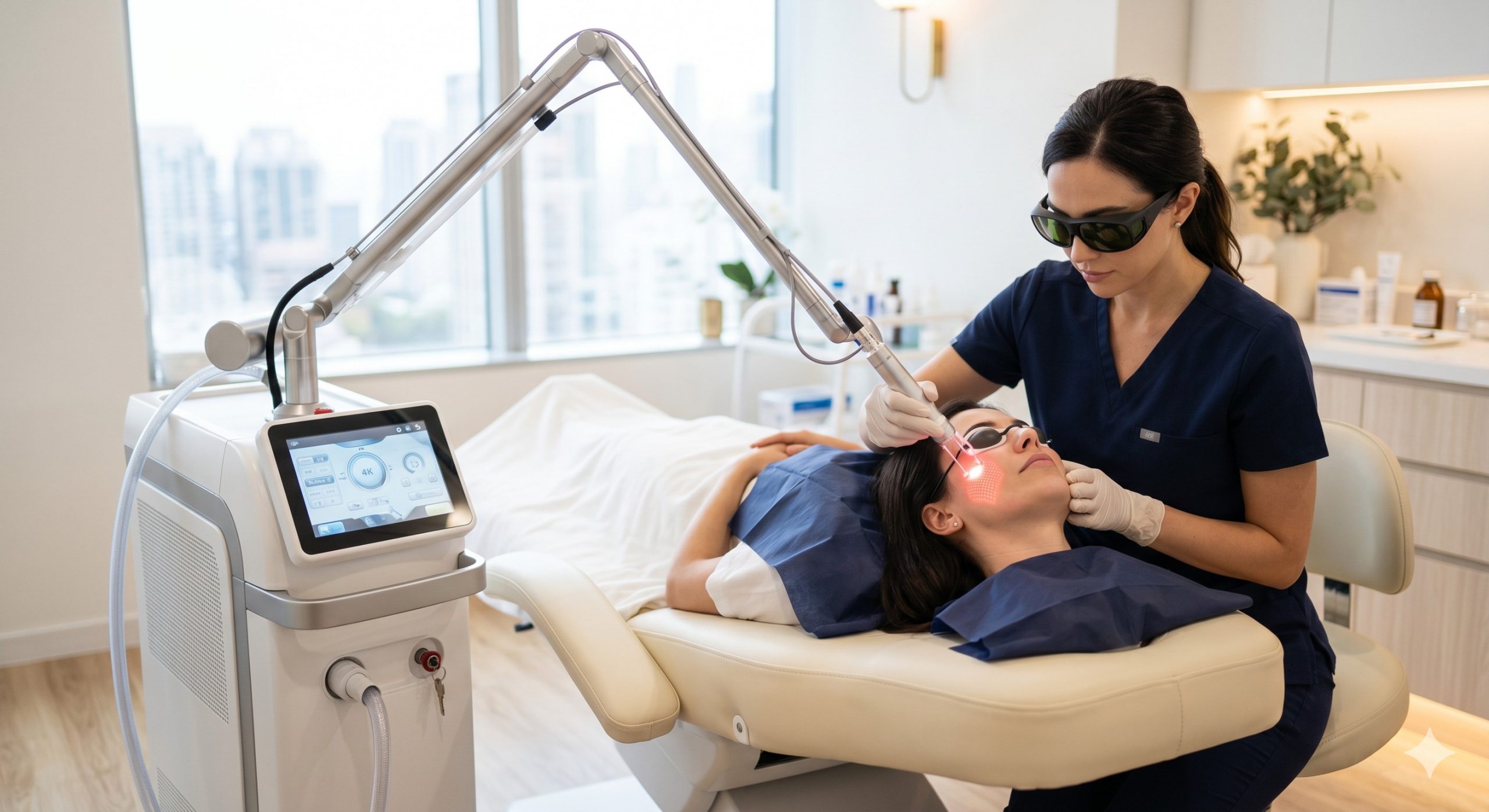
The efficacy of a fractional laser machine is rooted in the principle of selective photothermolysis, but with a spatial twist. Instead of targeting chromophores like hemoglobin or melanin with a full-beam profile, the device utilizes a micro-lens array or a galvanometer-scanned beam to divide the laser light into thousands of microscopic columns. These columns, or microthermal zones (MTZs), are typically 100 to 500 micrometers in diameter.
This spatial confinement triggers a rapid wound-healing cascade. The viable tissue surrounding each MTZ acts as a reservoir of epidermal stem cells, which rapidly migrate to resurface the treated area. Concurrently, dermal remodeling occurs via the upregulation of heat-shock proteins and the subsequent formation of new collagen and elastin. This process results in significant textural improvement, reduction of rhytids, and restoration of skin tone, while drastically minimizing the recovery time associated with older, fully ablative CO₂ lasers.
Wavelength Penetration & Chromophore Selectivity
Modern fractional laser machines often utilize two primary wavelengths: Erbium:YAG (2940nm) and CO₂ (10600nm). The 2940nm wavelength is highly absorbed by water, making it exceptionally precise for superficial ablation with a narrow zone of thermal coagulation. This makes it ideal for mild to moderate rejuvenation and superficial pigmentation. Conversely, the 10600nm CO₂ wavelength penetrates deeper, generating significant thermal coagulation beneath the ablated zone. This results in intense collagen contraction and remodeling, making it the gold standard for deep wrinkles, acne scars, and severe photodamage.
Understanding the absorption coefficient is critical. Water absorption is approximately 10,000/cm for Erbium:YAG versus 800/cm for CO₂. This means that a fractional laser machine utilizing Erbium is generally safer for darker skin types (Fitzpatrick IV-VI) because the energy is absorbed more superficially, minimizing the risk of post-inflammatory hyperpigmentation (PIH). For practitioners, selecting the appropriate wavelength based on the patient’s skin type and specific pathology is the cornerstone of clinical safety.
Critical Technical Parameters & Specifications
A true expert evaluates a fractional laser machine by its engine specifications. To assess clinical performance, one must understand the interplay of spot size, energy density, pulse width, and frequency. Below is a detailed breakdown of these pivotal metrics.
| Key Parameter | Technical Specification |
|---|---|
| Wavelength Options | Erbium:YAG (2940nm) / CO₂ (10600nm) |
| Spot Size / MTZ | 100 – 500 µm (Microthermal Zones) |
| Energy Density / Fluence | 10 – 50 J/cm² (Adjustable per skin type) |
| Pulse Width | 1 ms – 10 ms (Dynamic) |
| Cooling System | Sapphire Contact Cooling / DCD Cryogen |
| Handpiece Life | > 50,000 Shots (High Durability) |
| Regulatory Compliance | FDA Clearance, Medical CE, ISO 13485 |
| Indications | Rhytids, Acne Scars, Photoaging, Melasma |
Epidermal Cooling & Safety Integration
Patient safety and comfort are non-negotiable. A state-of-the-art fractional laser machine incorporates advanced cooling mechanisms to protect the epidermis during energy delivery. The most sophisticated systems use a dynamic cooling device (DCD) that administers a cryogenic spurt milliseconds before the laser pulse, or a contact cooling sapphire window. This ensures the epidermal temperature remains below the thermal damage threshold while allowing for high-fluence dermal heating. This cooling system is not just a comfort feature; it is an essential safety component that enables the use of aggressive treatment parameters while minimizing the risk of burns, scarring, and dyspigmentation, thus adhering to strict Medical CE and FDA clearance requirements.
Clinical Efficacy & Indications Across Skin Types
Expanding the Indication Spectrum
The versatility of the fractional laser machine makes it an indispensable asset in any medical aesthetic clinic. Its ability to precisely ablate and coagulate tissue allows for effective treatment of a broad spectrum of dermatological conditions.
- Acne Scars: Fractional resurfacing is considered the gold standard for atrophic acne scarring, stimulating deep dermal remodeling.
- Photoaging: Reduces fine lines, rhytids, and uneven pigmentation associated with sun damage.
- Post-Traumatic Scars: Improves texture and pliability of surgical or traumatic scars.
- Melasma: While challenging, low-density fractional treatments can help manage epidermal melasma.
Fitzpatrick Skin Type Application
The challenge of treating diverse skin types requires a nuanced understanding of the Fitzpatrick Scale. For a fractional laser machine, the parameter selection must be customized to the patient’s phototype. For lighter skin types (I-III), higher fluences and deeper penetration can be utilized safely. For darker skin types (IV-VI), a lower energy density with a smaller spot size is recommended to mitigate the risk of PIH. The ability of the fractional laser machine to modulate pulse width and fluence is vital for achieving high clearance rates without compromising patient safety, especially in multi-ethnic patient populations.
Comprehensive Clinic ROI & Business Strategy
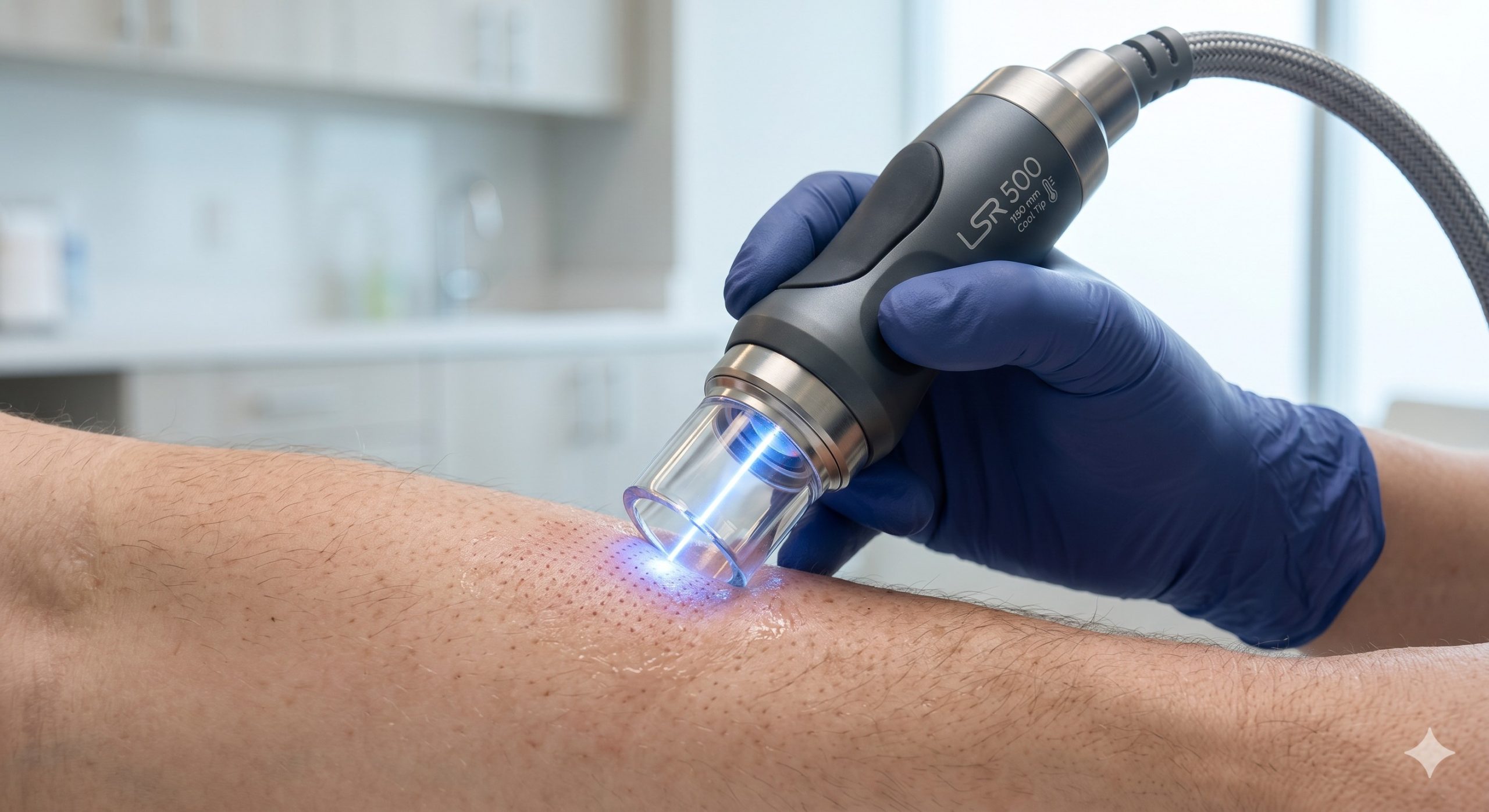
Investing in a high-quality fractional laser machine is a significant capital expenditure (CapEx). However, when deployed strategically, it offers a substantial return on investment (ROI) through high-ticket service pricing and operational efficiency. A single fractional resurfacing session can be priced between $500 and $1,500 depending on the area and depth of treatment. Given that most patients require a series of 3-4 treatments, the revenue potential per patient is substantial.
From an operational standpoint (OpEx), clinics must consider the cost of consumables, specifically the handpiece lifespan. Many modern fractional systems feature handpieces with a long shot lifespan (often exceeding 50,000 pulses) and replaceable cartridges, significantly reducing the per-treatment consumable cost. Additionally, the decreased downtime compared to older lasers allows for higher patient throughput, maximizing clinic productivity. For a med spa seeking to upgrade, the fractional laser machine represents not just a treatment tool, but a comprehensive solution for increased profitability and a superior patient experience.
Conclusion: Elevating Clinic Standards with Fractional Technology
The fractional laser machine represents the pinnacle of aesthetic technology, offering a perfect synergy of clinical power and patient safety. Whether you are treating acne scars, aging skin, or melasma, this versatile tool, backed by robust ISO 13485 manufacturing standards and clinical certifications, provides unmatched results. For the discerning clinic owner, investing in a high-quality fractional device is a strategic move that enhances treatment efficacy, expands your patient base, and maximizes profitability. As technology evolves, staying informed about these advancements ensures your clinic remains at the forefront of the medical aesthetics industry.