Introduction: The Paradigm Shift in Aesthetic Facial Rejuvenation
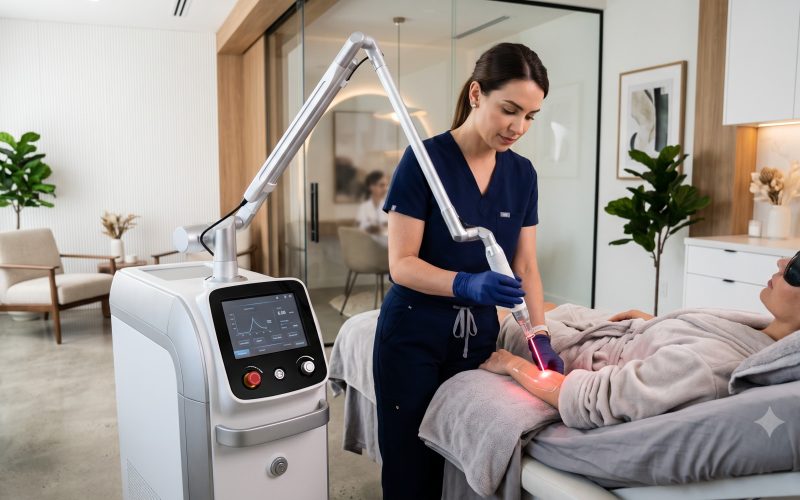
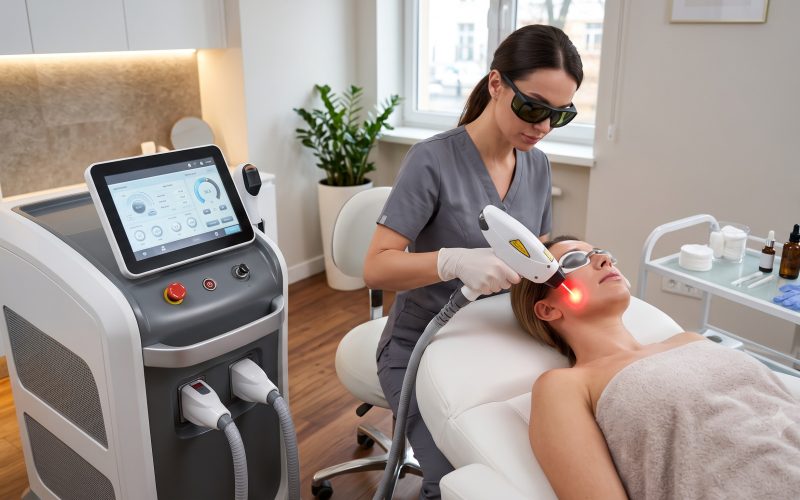
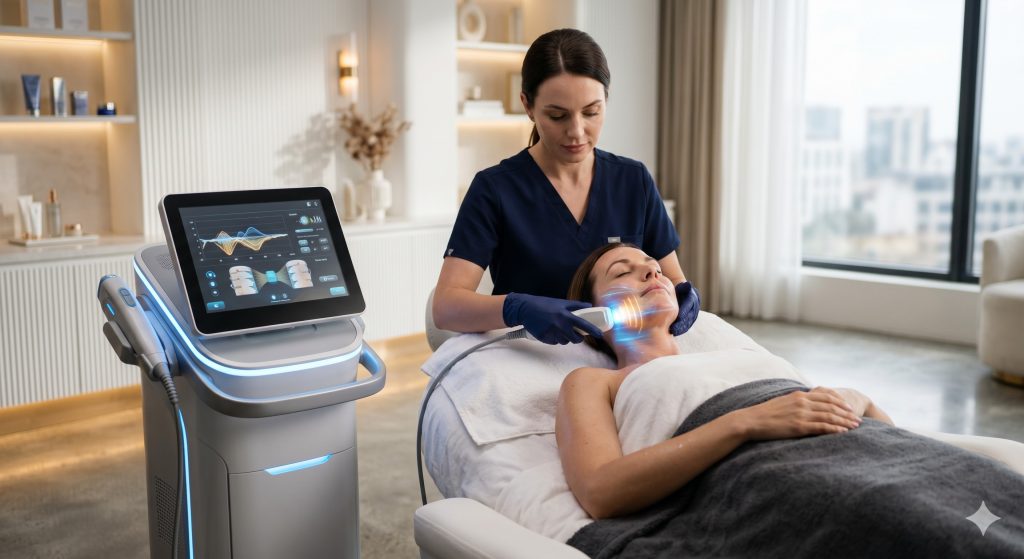
The demand for non-invasive facial lifting solutions is experiencing unprecedented growth, driven by a patient population seeking natural-looking results without the downtime or risks associated with surgical facelifts. As an elite B2B medical aesthetic device consultant, I have observed the market evolve from basic skin toning to sophisticated, clinically-driven interventions. Today’s non-invasive face lift machine is a marvel of biomedical engineering, utilizing technologies such as High-Intensity Focused Ultrasound (HIFU) and Monopolar Radiofrequency (MRF) to achieve lifting and tightening that was once the exclusive domain of the operating room. For the discerning clinic owner, understanding the nuances of these devices is not just about clinical outcomes; it is a strategic imperative for profitability and market leadership .
This comprehensive guide aims to dissect the technical parameters, clinical applications, and financial implications of modern aesthetic platforms. We will move beyond superficial marketing claims to examine the physical mechanisms—Selective Photothermolysis, volumetric heating, and collagen denaturation—that deliver tangible results. With the global face lifting device market projected to grow at a CAGR of 11.5% from 2025 to 2031 , adopting the right technology is paramount. We will explore how metrics like wavelength (e.g., 6.78 MHz for RF, micro-focused ultrasound for SMAS), spot size, and fluence translate into superior patient outcomes and a robust return on investment (ROI).
Understanding the Physics: Mechanisms of Tissue Interaction
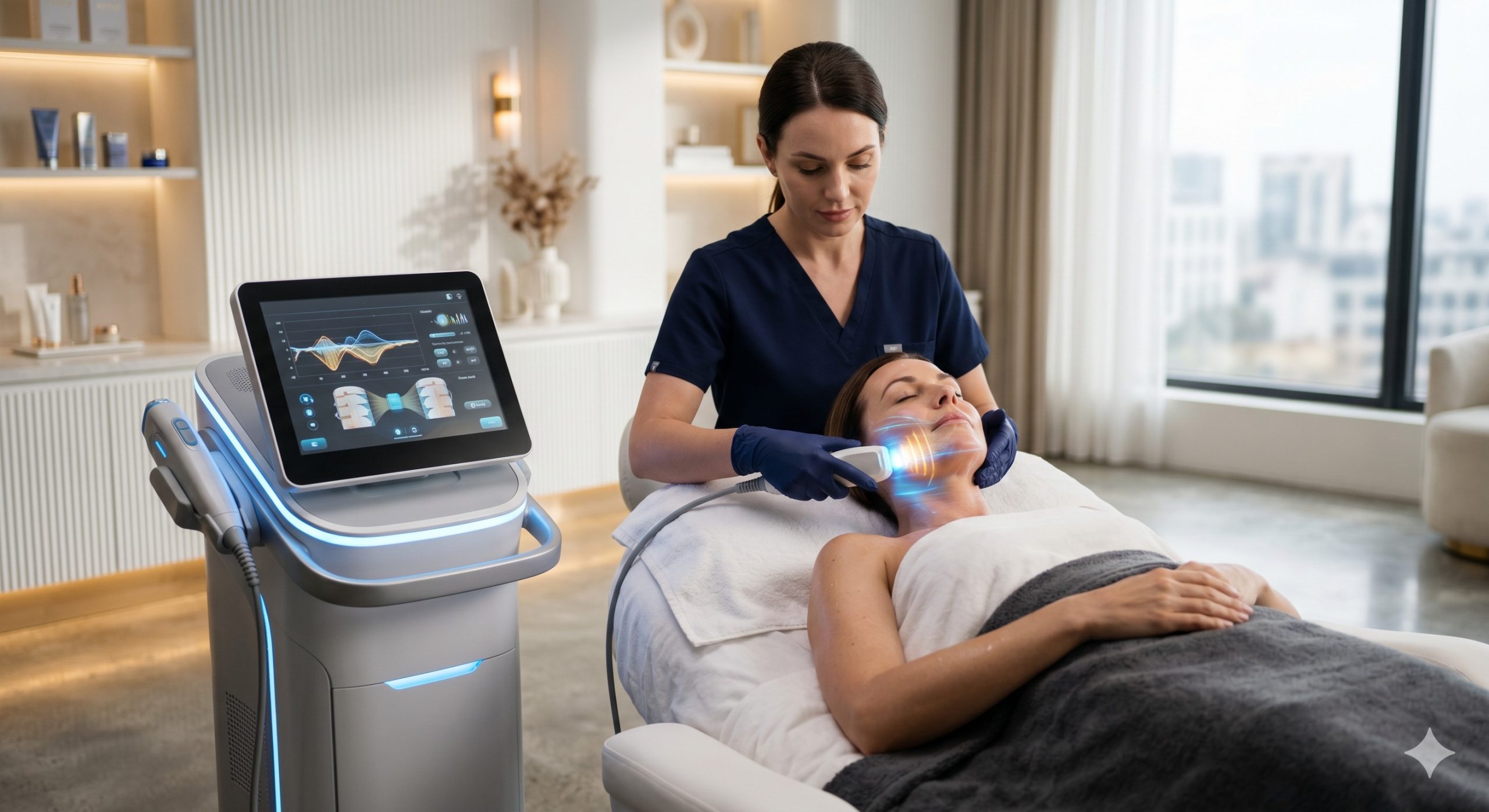
The efficacy of a non-invasive face lift machine is rooted in its ability to deliver energy to precise depths within the skin, stimulating a wound-healing response without ablating the epidermis. The two primary modalities dominating the clinical landscape are Monopolar Radiofrequency (MRF) and High-Intensity Focused Ultrasound (HIFU).
Monopolar Radiofrequency (MRF): Volumetric Heating
MRF devices, such as the CELLINEW or XERF systems, operate by passing a high-frequency current (typically 6.78 MHz) between an active electrode and a return pad. This current generates a resistive or inductive heating effect within the tissue . The primary target is the dermis and fibrous septae, where temperatures are raised to 65°C-68°C . This thermal insult causes immediate contraction of collagen fibrils (the ‘tightening’ effect) and initiates a cascade of neocollagenesis, where fibroblasts produce new collagen over 3-6 months .
Advanced systems incorporate impedance control and real-time feedback to modulate energy output based on tissue resistance, ensuring consistent heating and minimizing hot spots. The integration of cryogen-based cooling protects the epidermis by creating a reverse thermal gradient, allowing for high dermal temperatures (40°C-65°C) while maintaining a safe surface temperature .
High-Intensity Focused Ultrasound (HIFU): Precision Lifting
Unlike the volumetric heating of RF, HIFU utilizes acoustic energy to create discrete thermal coagulation points (TCPs) at specific depths. The Ultraformer MPT and similar platforms represent a gold standard in this category, employing Micro-focused Ultrasound (MFU) to bypass the epidermis and dermis to target the Superficial Musculoaponeurotic System (SMAS) layer, the foundational tissue addressed in a surgical facelift .
By delivering focused energy at depths of 1.5mm, 3.0mm, and 4.5mm, practitioners can perform a ‘layered’ approach . The 4.5mm cartridge specifically treats the SMAS, providing structural lifting and tightening of the brow, jawline, and neck. The tissue temperature at these TCPs reaches approximately 65-75°C, triggering immediate contraction and long-term collagen remodeling . The strategic selection of cartridge depth and energy density is crucial for tailoring treatment to individual patient anatomy and skin thickness.
| Key Parameter | Monopolar RF (e.g., CELLINEW) | HIFU (e.g., Ultraformer MPT) |
|---|---|---|
| Primary Mechanism | Volumetric Dermal Heating | Focused Acoustic Energy (TCPs) |
| Target Layer | Dermis / Fibrous Septae | SMAS / Dermis |
| Operational Frequency/Depth | 6.78 MHz | 1.5mm / 3.0mm / 4.5mm Cartridges |
| Peak Temperature | ~67°C (Dermis) | ~65-75°C (SMAS) |
| Cooling System | Integrated Cryogen | Sapphire Contact Cooling |
Clinical Parameter Optimization & Safety Protocols
To maximize efficacy and minimize adverse events, clinicians must master the specific parameters of their non-invasive face lift machine. The art of medical aesthetics lies in optimizing the energy density (Fluence), pulse duration, and cooling intervals for each patient, particularly considering their Fitzpatrick Skin Type.
Treating Fitzpatrick Skin Types I-VI
While RF and HIFU are generally considered non-ablative and melanin-independent compared to IPL or laser, they are not without risk. The primary concern is thermal injury to the epidermis, which can manifest as burns, blisters, or post-inflammatory hyperpigmentation (PIH), especially in darker skin types (Fitzpatrick IV-VI).
Clinical protocols for higher skin types often involve adjusting energy levels, increasing cooling duration, and utilizing the moving technique rather than stamping to allow for thermal dissipation . It is critical to note that some devices, like the Sensilift Pro, a home-use RF device, are strictly indicated for Fitzpatrick Skin Types I-IV , highlighting the importance of proper patient selection in a clinical setting. Advanced platforms, however, incorporate sophisticated safety features like temperature monitoring (40°C ± 0.5°C cut-off) and impedance feedback to safely treat a wider range of patients .
Technical Specifications Matrix
The cornerstone of clinical decision-making is a thorough understanding of device specifications. Below is a comparative analysis of key parameters for representative technologies in the non-invasive face lift machine market.
| Key Parameter | Monopolar RF (e.g., CELLINEW) | HIFU (e.g., Ultraformer MPT) |
|---|---|---|
| Primary Mechanism | Volumetric Dermal Heating | Focused Acoustic Energy (TCPs) |
| Target Layer | Dermis / Fibrous Septae | SMAS / Dermis |
| Operational Frequency/Depth | 6.78 MHz | 1.5mm / 3.0mm / 4.5mm Cartridges |
| Peak Temperature | ~67°C (Dermis) | ~65-75°C (SMAS) |
| Cooling System | Integrated Cryogen | Sapphire Contact Cooling |
Strategic Clinic Integration & ROI Analysis
Integrating a non-invasive face lift machine into a med spa or dermatology practice requires a strategic analysis of Capital Expenditure (CapEx), Operational Expenditure (OpEx), and potential revenue generation. The return on investment is driven by treatment throughput, pricing models, and patient demand.
Treatment Throughput and Revenue
High-throughput devices with large spot sizes and rapid shot delivery are essential for maximizing ROI. For instance, the CELLINEW MRF device allows for a 600-shot treatment to be completed in less than 20 minutes with a repetition interval of 0.1 seconds . This efficiency allows clinics to perform more treatments per day, reducing the cost per minute of operator time and enhancing profitability.
When evaluating a platform, consider the lifetime cost of ownership (TCO). This includes not just the initial purchase price, but also the cost of consumables (such as HIFU cartridges, which have a defined shot lifespan), handpiece durability, and maintenance requirements (e.g., water/cooling circuit maintenance for RF devices) . Premium devices often feature imported laser bars or high-grade sapphire cooling systems that ensure consistent output over a longer period, reducing long-term costs .
Multi-Modality Combination Therapies: The Future of Aesthetics
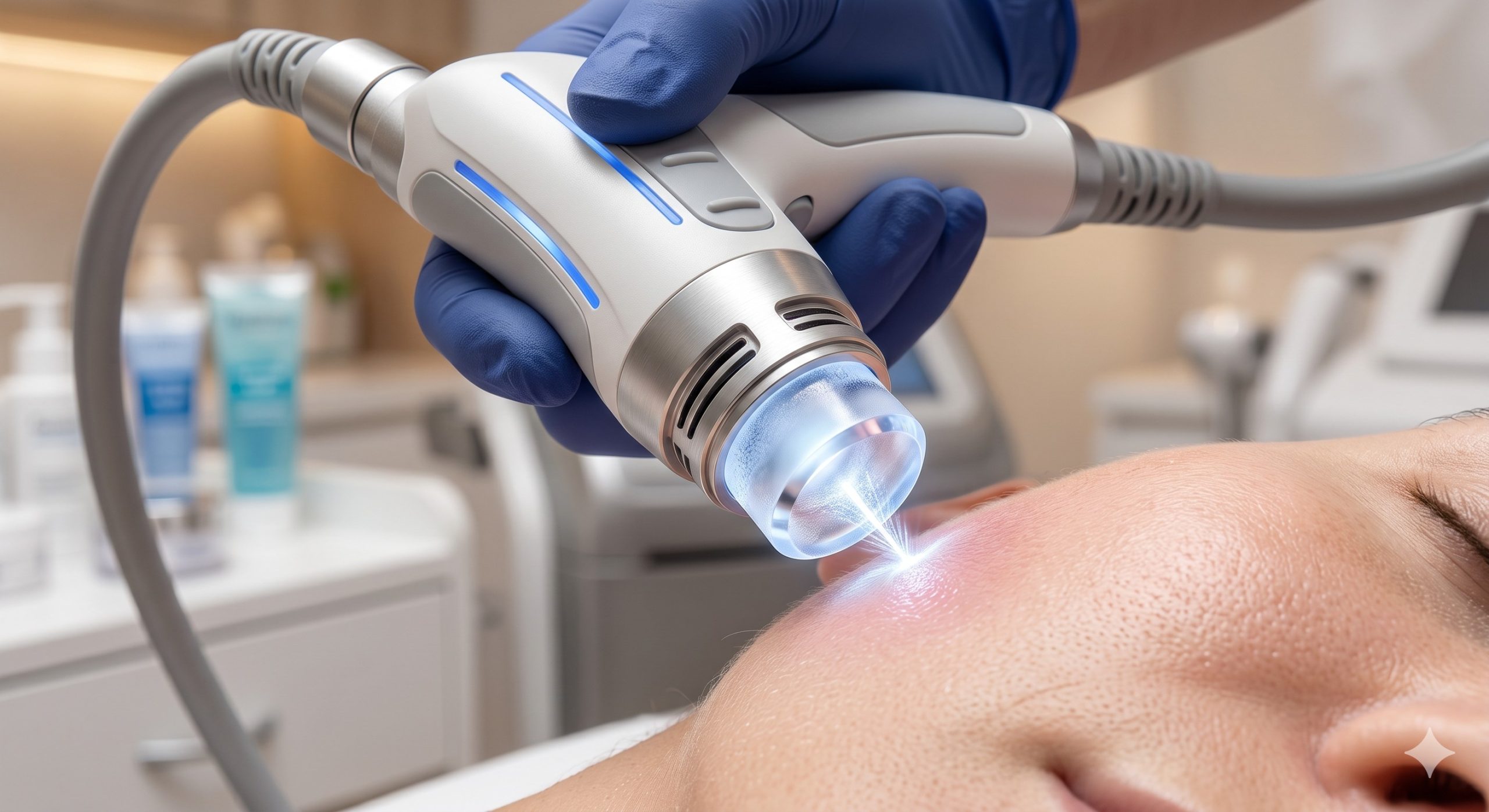
The most advanced clinical workflows are moving toward combination therapy, leveraging the synergistic effects of different modalities. The standard of care is evolving from a single-device approach to a comprehensive, multi-layered rejuvenation protocol.
HIFU + MRF Synergy: HIFU establishes thermal coagulation points (TCPs) in the deep SMAS layer, creating structural lifting. When combined with MRF, which provides volumetric dermal heating, the result is a comprehensive tightening and lifting effect. Clinical studies suggest that performing HIFU before RF can reduce skin impedance due to induced edema, potentially improving RF energy transmission and enhancing outcomes .
Combination with Injectables: MRF is highly compatible with injectable skin boosters (such as hyaluronic acid, PN, PDLLA) and neuromodulators (Botulinum Toxin). Case studies have demonstrated that combining MRF with collagen stimulators or Botox leads to significant, sustained improvements in facial contour, wrinkle reduction, and patient satisfaction . The heat generated by the RF can enhance the diffusion and effectiveness of certain heat-resistant biostimulatory agents, offering a holistic approach to facial restoration .
Compliance & Regulatory Standards
For a clinic, ensuring that the equipment is compliant with international standards is non-negotiable. It protects the practice from liability and ensures patient safety.
FDA Clearance & Medical CE: Look for devices that hold FDA 510(k) clearance or Medical CE certification. For example, the CELLINEW MRF device is approved by both the Korean Ministry of Food and Drug Safety and the U.S. FDA . The Ultraformer MPT has gained widespread use across South Korea, Japan, and Europe before entering the U.S. market, reflecting a strong international regulatory and clinical track record .
ISO 13485: This standard specifies requirements for a quality management system in the medical device industry. Ensuring your supplier is ISO 13485 certified guarantees that the device was manufactured with rigorous quality control and consistency .
Conclusion: An Executive Verdict
In the rapidly evolving landscape of aesthetic medicine, the non-invasive face lift machine represents a high-opportunity investment for clinics aiming to capture the growing demand for non-surgical rejuvenation. The decision to choose between MRF and HIFU—or to invest in a platform that offers both or complementary modalities—should be driven by the clinic’s specific target demographics, treatment philosophy, and business model.
For structural lifting, particularly in patients with significant skin laxity, a HIFU device like the Ultraformer MPT, which offers precise depth control and multi-point technology, is a formidable asset . For comprehensive volumetric tightening, dermal remodeling, and versatile combination therapies, advanced MRF systems like CELLINEW or XERF provide a powerful, clinically-validated solution . Ultimately, the optimal choice is a platform that offers robust safety features, reproducible clinical results, and a clear path to profitability. Prioritize devices with advanced cooling, real-time feedback technology, and strong regulatory clearance to ensure safety, efficacy, and a substantial return on investment.