Introduction: The Clinical Evolution of Photobiomodulation
In the competitive landscape of medical aesthetics, clinic owners and dermatologists are constantly seeking non-invasive modalities that offer demonstrable results with minimal downtime. Red light therapy, clinically termed photobiomodulation (PBM), has emerged as a cornerstone treatment, moving beyond spa-grade fads into a clinically validated protocol . For the discerning practitioner, understanding the hard science—from mitochondrial cytochrome c oxidase activation to the nuances of fluence and pulse width—is essential for maximizing both patient outcomes and return on investment (ROI). This guide provides a comprehensive technical analysis of red light therapy, tailored for clinics ready to upgrade their service offerings with a modality supported by FDA clearances and medical CE marks .
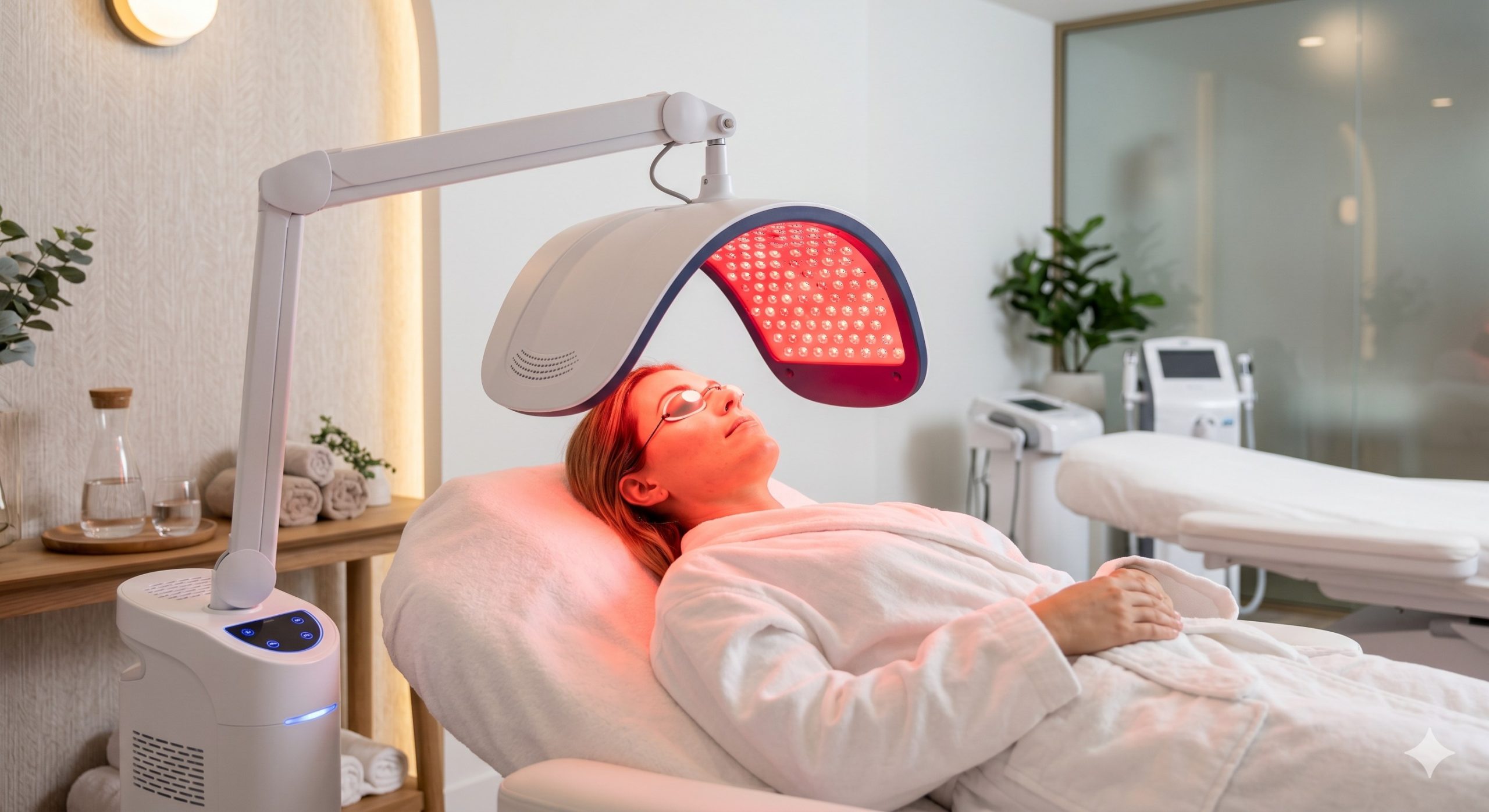
Physical Mechanism Deep Dive: From Photons to Cellular ATP
The therapeutic efficacy of red light therapy is rooted in the physics of light-tissue interaction, a process distinct from thermal or ablative lasers . Red light wavelengths (typically 620-700 nm) and near-infrared (NIR) wavelengths (700-1440 nm) penetrate the dermis and subcutaneous tissue . Unlike high-energy surgical lasers that rely on selective photothermolysis to destroy tissue, photobiomodulation operates via a non-thermal, photochemical cascade.
Mitochondrial Cytochrome C Oxidase (COX)
The primary endogenous chromophore for red and NIR light is mitochondrial cytochrome c oxidase (COX), a key enzyme in the electron transport chain . Photons are absorbed by COX, leading to the dissociation of inhibitory nitric oxide (NO). This action facilitates increased electron transport, resulting in a significant modulation of mitochondrial adenosine triphosphate (ATP) . This ATP surge provides cells with the energy required for repair, proliferation, and migration . Furthermore, the modulation of reactive oxygen species (ROS) and intracellular calcium levels activates transcription factors (e.g., NF-κB), promoting anti-inflammatory gene expression and collagen synthesis .
Selective Photothermolysis vs. Photobiomodulation
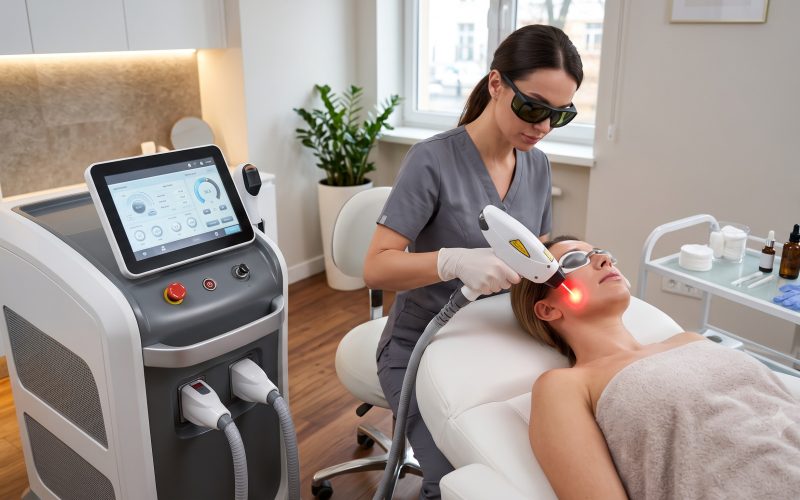
Clinicians must differentiate between high-fluence laser treatments for hair removal or resurfacing and low-fluence PBM. In red light therapy, the power density (mW/cm²) is significantly lower. The goal is to deliver a “slow delivery of photons,” creating a cellular “stress” response that is hormetic—stimulating, rather than destructive . This mechanism allows for safe application across diverse patient demographics without epidermal disruption.
| Key Parameter | Clinical Specification |
|---|---|
| Therapeutic Wavelength | Red Light: 620-700nm | NIR: 700-1440nm |
| Primary Chromophore | Mitochondrial Cytochrome C Oxidase (COX) |
| Energy Density (Fluence) | Typically 20-100 J/cm² (Varies by indication) |
| Output Power (Power Density) | 40-150 mW/cm² (Low-level, non-thermal) |
| Cooling Mechanism | Sapphire Contact Cooling / TEC |
| Regulatory Status | FDA Cleared, CE Medical, ISO 13485 |
Advanced Hardware & Cooling Systems
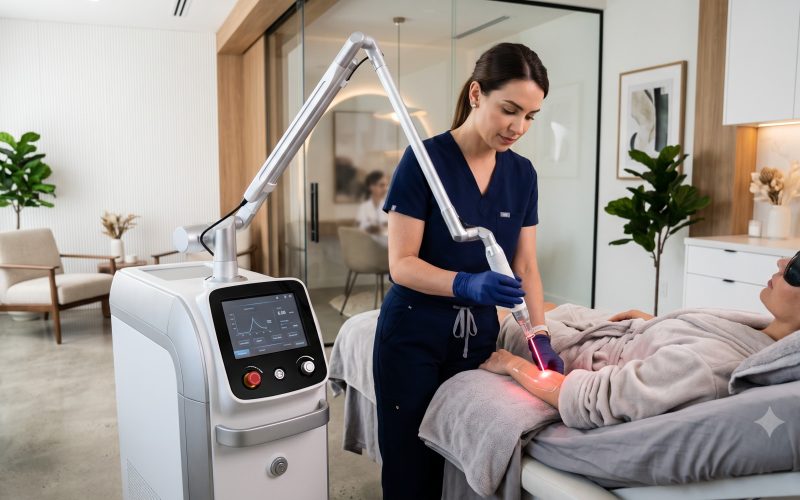
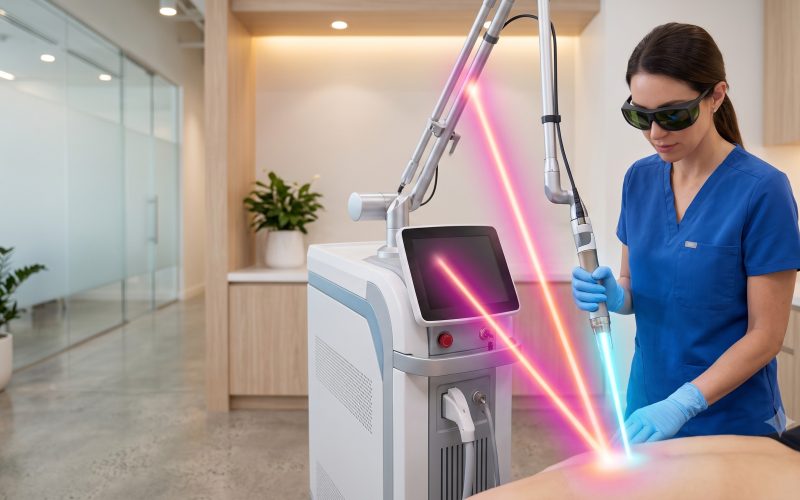
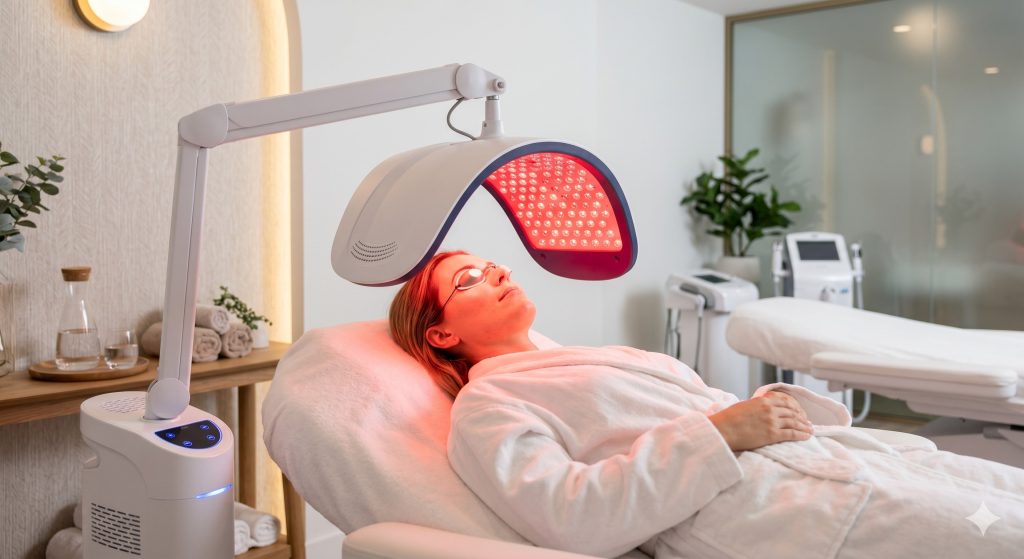
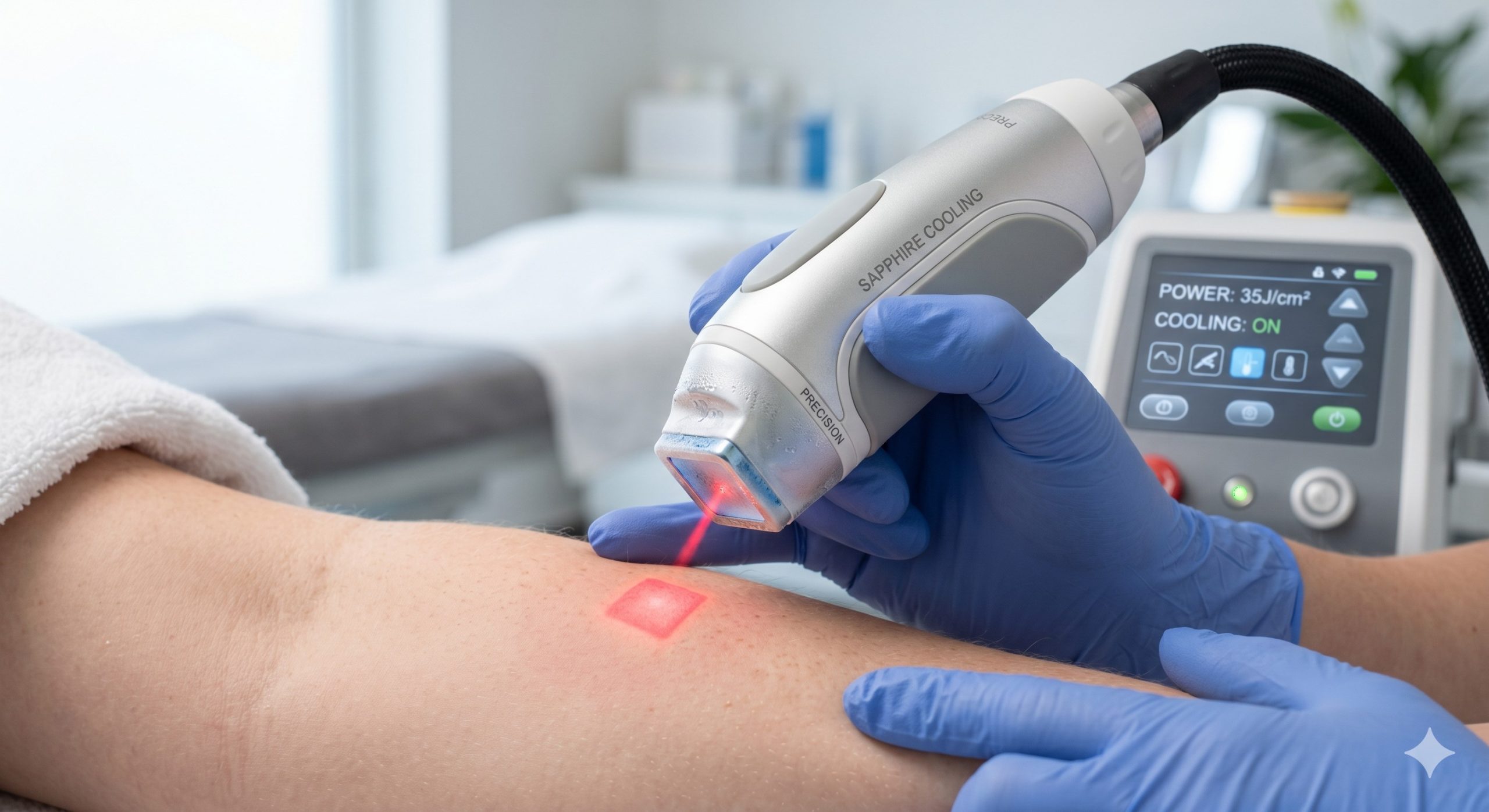
While LED panels are common, high-output medical devices often utilize diode laser bars for deeper penetration and higher power efficiency. The integration of advanced cooling mechanisms, such as Sapphire ICE contact cooling, is paramount for clinical safety and comfort. Effective epidermal cooling protects the stratum corneum from thermal buildup, allowing the clinician to utilize the necessary fluence (J/cm²) for deep tissue modulation without compromising patient safety or causing erythema .
Treatment Parameters & Indications
Red light therapy demonstrates versatility in treating a wide array of dermatological and pain-related conditions . However, efficacy is strictly parameter-dependent .
- Anti-Aging & Wound Healing: Studies indicate that PBM accelerates wound healing and reduces fine lines by stimulating fibroblast activity and collagen production .
- Inflammation & Pain Management: The reduction of inflammatory cytokines and the release of endorphins make it effective for musculoskeletal pain and neuropathies .
- Hair Restoration: PBM has been shown to stimulate hair regrowth in androgenetic alopecia, likely due to improved blood flow and cellular energy .
- Acne & Psoriasis: The anti-inflammatory effects and modulation of nitric oxide are beneficial for conditions like psoriasis and acne vulgaris .
Clinic ROI & Conclusion: A Strategic Asset
Integrating medical-grade red light therapy into your med spa or dermatology clinic is a low-CapEx, high-margin strategy. Treatments are typically painless, requiring minimal consumables and operator time—often just 10 to 20 minutes per session. This high-throughput capability, combined with broad patient applicability (including pain management and aesthetic rejuvenation), makes it a powerful profit center. To maximize your ROI, ensure your selected device complies with ISO 13485, boasts a robust laser bar lifespan, and offers precise control over critical parameters like fluence and pulse width. Red light therapy represents an essential, evidence-based pillar of modern aesthetic medicine that meets the growing consumer demand for ‘natural’, non-invasive rejuvenation .