Introduction: The Clinical and Business Imperative of Vaginal Rejuvenation
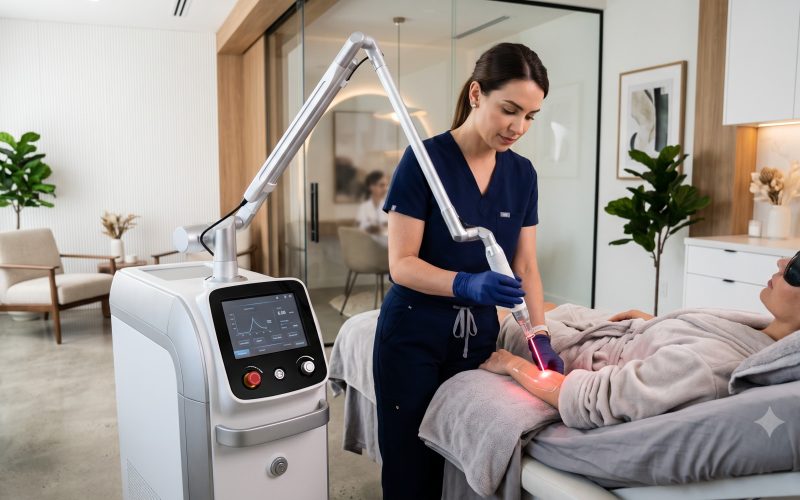
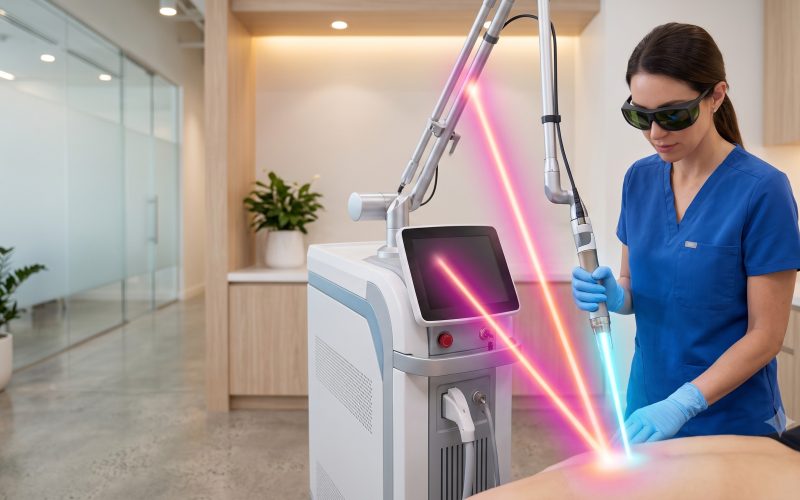
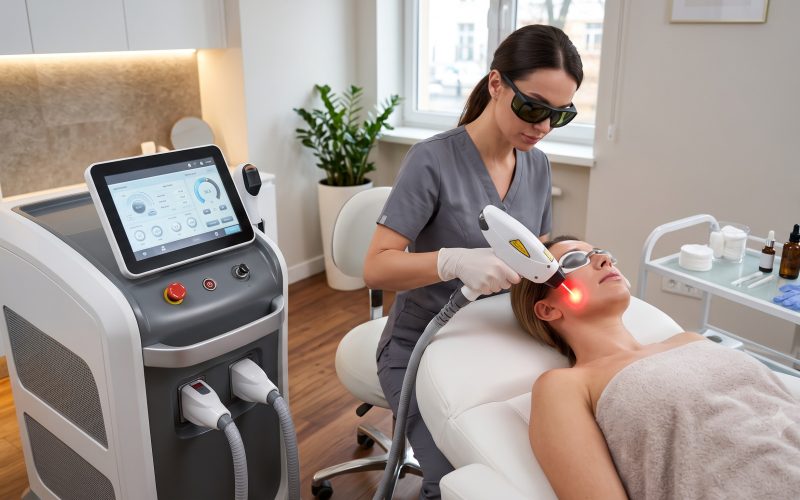
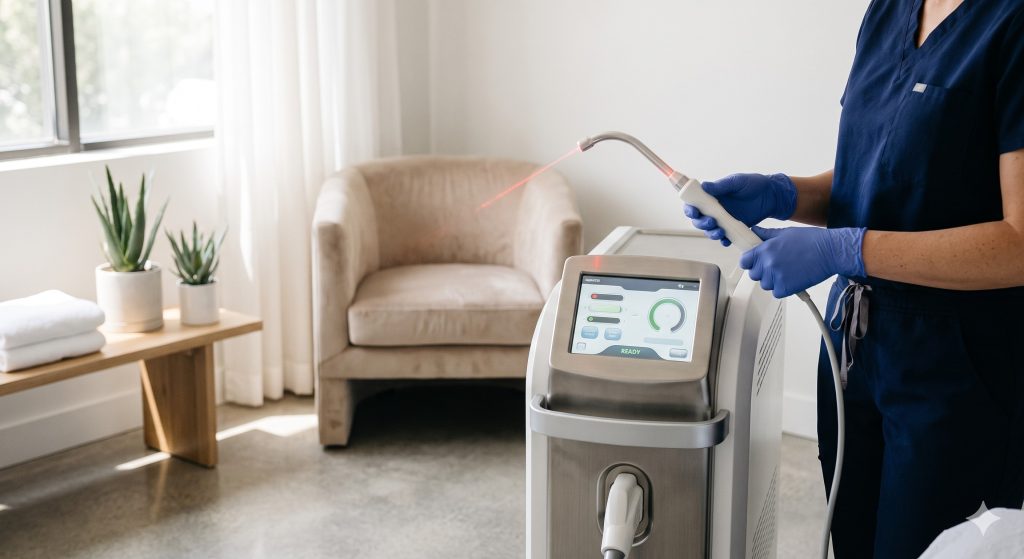
In the rapidly evolving landscape of medical aesthetics, few technologies have generated as much clinical interest and business potential as the vaginal tightening CO2 laser machine. For B2B buyers—from med spa directors to gynecological clinic owners—this technology represents a strategic pivot into the high-growth intimate wellness market. The demand is driven by a confluence of factors: an aging population seeking non-hormonal solutions for post-menopausal symptoms, postpartum women desiring functional restoration, and a broader cultural shift towards proactive, non-surgical health interventions.
However, the procurement decision is complex. The market is flooded with devices ranging from premium, clinically-validated systems to low-cost imitations that pose significant patient safety risks. This guide serves as a comprehensive, evidence-based resource for clinic decision-makers. We will dissect the clinical efficacy of the 10,600nm CO2 wavelength, analyze critical hardware specifications like RF-excited metal tubes versus legacy glass tubes, and evaluate the return on investment (ROI) for integrating this technology into your practice. By the end of this article, you will have the technical and commercial acumen to select a system that ensures patient safety, delivers superior outcomes, and maximizes clinic profitability.
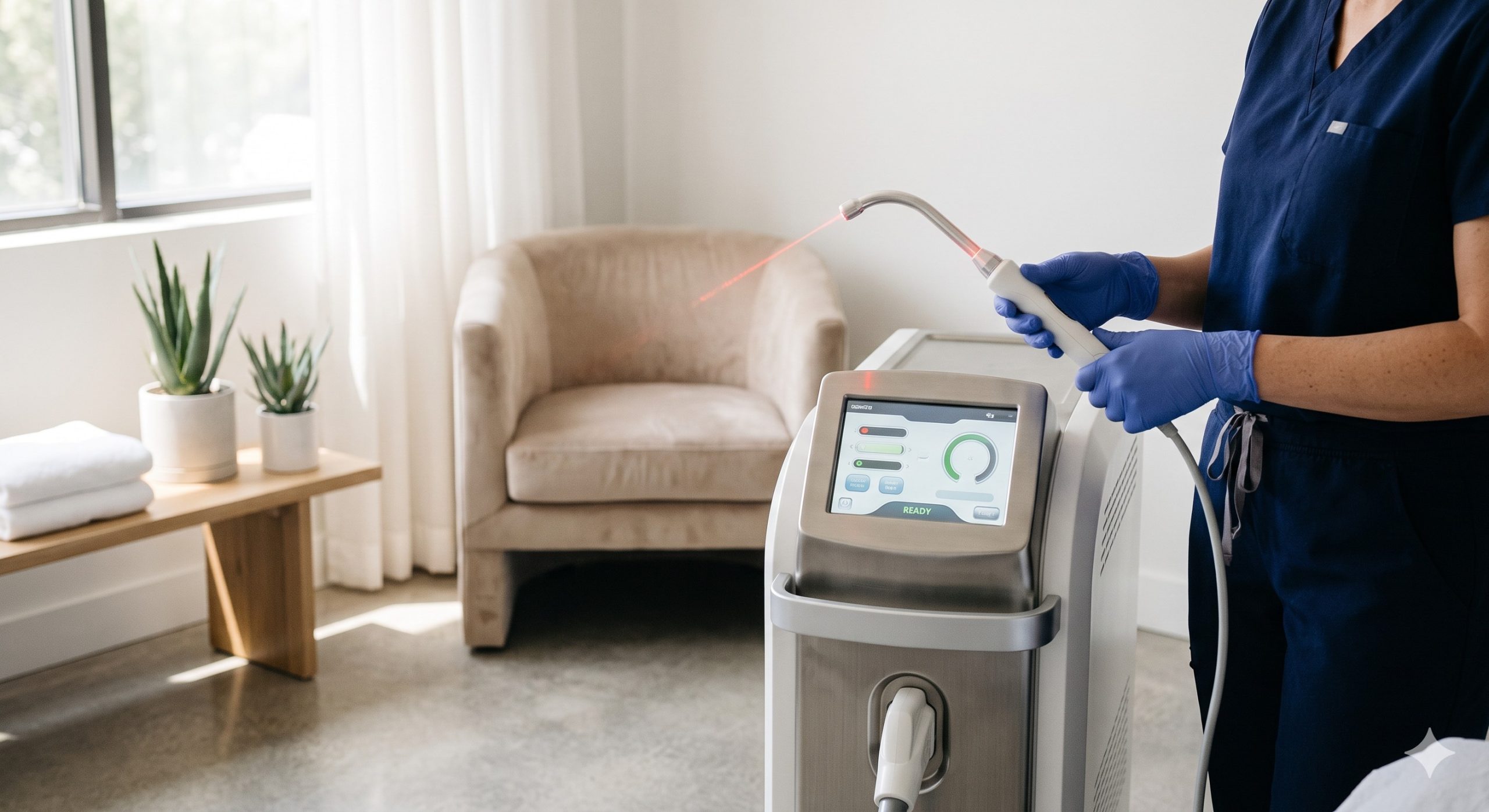
Clinical Deep Dive: The Science of Fractional Photothermolysis
The foundational principle behind the vaginal tightening CO2 laser machine is Fractional Photothermolysis. Unlike traditional ablative lasers that remove entire layers of tissue, fractional technology creates microscopic columns of thermal damage, known as Micro-Thermal Zones (MTZs), while leaving the surrounding tissue intact . This critical distinction allows for rapid healing and significantly reduces the risk of scarring, making it ideal for the delicate vaginal mucosa.
Wavelength Specificity and Tissue Interaction
The vaginal CO2 laser operates at a specific wavelength of 10,600nm . This wavelength is highly and selectively absorbed by intracellular water, which constitutes over 70% of the vaginal mucosal tissue. This selective absorption is the key to its clinical efficacy and safety.
- Ablation & Coagulation: When the laser energy is delivered, it vaporizes a microscopic column of epithelium (ablation). Simultaneously, the thermal energy conducts into the surrounding lamina propria, generating a controlled zone of thermal coagulation .
- Neocollagenesis Trigger: This controlled thermal injury, typically reaching temperatures of 60°C to 65°C in the sub-mucosal layers, initiates a heat-shock protein response. This process stimulates dormant fibroblasts to synthesize new Type I and Type III collagen and elastin, leading to tissue tightening and thickening .
- Angiogenesis & Revitalization: The healing cascade also promotes the formation of new capillary networks, improving blood flow and restoring the natural glycogen production and pH balance of the vaginal flora .
This dual action—tissue remodeling and revitalization—addresses the root causes of vaginal laxity, dryness, and mild-to-moderate stress urinary incontinence (SUI).
Clinical Evidence and Indications
The clinical validity of the vaginal tightening CO2 laser machine is supported by a growing body of peer-reviewed research. A comprehensive study published in the 中华医学美学美容杂志 (Chinese Journal of Medical Aesthetics and Cosmetology) demonstrated significant improvements in multiple parameters after three sessions of CO2 fractional laser treatment. The study, which involved 28 patients, reported a statistically significant reduction in vaginal transverse diameter (from 3.00 to 2.71 fingers), a significant increase in the Female Sexual Function Index (FSFI) score (from 23.11 to 27.43), and improvement in vaginal health indices .
Furthermore, the study observed that the treatment improved pelvic floor structure, as evidenced by pelvic ultrasound and magnetic resonance imaging, and provided relief for patients with mild-to-moderate stress urinary incontinence . Another study focused on single-dose CO2 laser treatment reported significant short-term improvements in vaginal laxity and sexual function, as measured by the VLQ and FSFI scoring systems .
Based on this evidence, the primary clinical indications for this technology include:
- Vaginal Laxity: Often resulting from childbirth or the natural aging process.
- Stress Urinary Incontinence (SUI): Especially mild-to-moderate cases where tissue laxity contributes to involuntary leakage .
- Vaginal Atrophy and Dryness: A common symptom of menopause, offering a non-hormonal alternative to estrogen therapy .
- Vulvar Hyperpigmentation: External treatment using the fractional scanner can improve the aesthetic appearance of the vulvar tissue .
Critical Hardware Evaluation: The Heart of the System
For a B2B purchaser, the clinical outcomes are inextricably linked to the quality and stability of the hardware. The most critical component of any vaginal tightening CO2 laser machine is its resonator tube. Understanding the technical differences between the available options is paramount for ensuring patient safety and achieving a positive ROI.
| Parameter | RF-Excited Metal Tube (Premium) | DC-Excited Glass Tube (Legacy) |
|---|---|---|
| Excitation Method | Radio Frequency | Direct Current |
| Beam Quality | Excellent (TEM00, uniform) | Poor (Irregular spot) |
| Pulse Duration | Ultra-short (Microseconds) | Long (Milliseconds) |
| Lifespan / Shot Count | Up to 10+ years (High count) | 1-2 years (Fragile) |
| Clinical Suitability | Safe for delicate vaginal mucosa | UNSAFE for internal use |
RF-Excited Metal Tubes vs. DC-Excited Glass Tubes
The table above highlights the fundamental differences between the two primary types of CO2 laser resonators. For a professional clinic, the choice is clear. Premium systems utilize RF-excited metal tubes . These tubes generate ultra-short pulses with a perfectly uniform beam profile (TEM00). This precision allows for controlled ablation with minimal collateral thermal damage, which is absolutely critical when treating the vascular and sensitive vaginal mucosa. In contrast, budget systems often employ DC-excited glass tubes. These produce longer, less precise pulses with irregular energy distribution, dramatically increasing the risk of uncontrolled thermal burns, scarring, and adverse patient events . The longer lifespan and higher shot count of RF tubes also provide a superior total cost of ownership, making them the only viable option for high-throughput clinics.
Specialized Delivery Handpieces: 360° and 90° Emission
Beyond the laser source, the delivery system is crucial for precise, effective treatment. Premium systems come equipped with specialized handpieces designed to navigate the vaginal anatomy safely and efficiently .
- 360° Handpiece: This is the primary tool for general vaginal rejuvenation. It emits the fractional CO2 beam in a complete circle, uniformly treating the entire circumference of the vaginal canal. As the practitioner slowly withdraws the probe, this ensures continuous, overlapping energy distribution and a standard tightening effect .
- 90° Handpiece: This targeted emission probe is specifically engineered for treating stress urinary incontinence. It allows the physician to direct the laser energy exclusively to the anterior vaginal wall, where the supporting structures of the urethra are located. This precise targeting thickens the specific fascial tissue responsible for urinary continence without ablating the posterior wall unnecessarily .
Comprehensive Technical Specifications
When evaluating a vaginal tightening CO2 laser machine, the datasheet is your first line of defense. Here is a breakdown of the key performance indicators (KPIs) that a premium system should deliver:
- Laser Type & Wavelength: CO2, 10,600nm.
- Excitation Method: RF-excited metal tube (Ultra-short, high-frequency pulses).
- Maximum Energy (Fractional Mode): 115mJ .
- Repetition Rate (Hz): Up to 104-372Hz, allowing for rapid treatment times .
- Pulse Duration (Pulse Width): Measured in microseconds (e.g., 1 to 3,000μs for fractional mode), critical for controlling thermal damage .
- Scan Area: Adjustable from 1x1mm to 20x20mm, enabling customization for different tissue types .
- Cooling System: Efficient air or closed-loop water cooling to ensure system stability during extended use .
- User Interface: Large, intuitive touchscreen (e.g., 10.4″ LCD) with pre-set treatment protocols to minimize the operator learning curve .
Ensure the system you choose meets stringent international safety standards, including Medical CE certification and FDA 510(k) clearance . These are non-negotiable indicators that the device has undergone rigorous clinical safety trials.
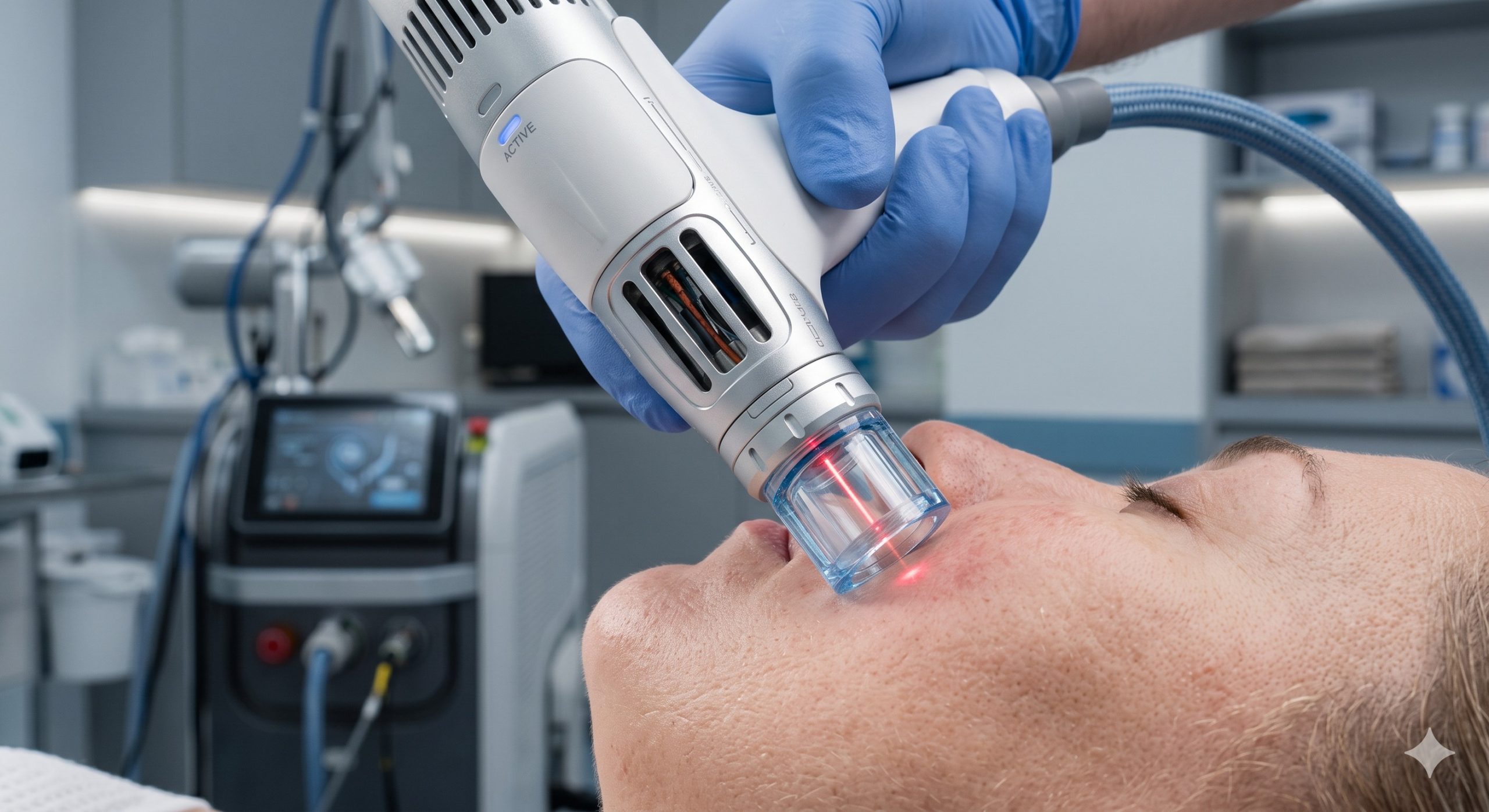
Clinic ROI and Business Strategy
Beyond the clinical excellence, the vaginal tightening CO2 laser machine is a powerful driver of practice profitability. Its business case is built on high throughput, low overhead, and recurring patient visits.
High-Throughput, Low-Cost Operations
A standard vaginal rejuvenation session is remarkably efficient, taking approximately 15-20 minutes to perform. This rapid treatment time allows a single room to comfortably process 15-20 patients per day. Furthermore, because the treatment is non-surgical and requires zero downtime, patients can schedule appointments conveniently, leading to higher patient retention and satisfaction. Unlike other aesthetic procedures that require single-use consumable tips, the metal probes used in these treatments are fully sterilizable, meaning that after the initial capital expenditure, the gross profit margin per treatment can approach 99% .
Packaging and Recurring Revenue
Savvy clinics do not sell a single treatment; they sell a comprehensive package. A standard clinical protocol for optimal collagen synthesis requires a series of three sessions, spaced four to six weeks apart. By bundling these sessions, a clinic can elevate a standard $1,000 laser session into a premium $3,000-$4,500 package. Additionally, because collagen degradation is a natural part of aging, patients are highly incentivized to return for maintenance sessions every 12 to 18 months, creating a predictable, recurring revenue stream that significantly increases the Lifetime Value (LTV) of each patient.
Conclusion: Making the Strategic Investment
The vaginal tightening CO2 laser machine represents a significant and strategic investment for any forward-thinking medical aesthetics clinic. It meets a critical and growing market need for safe, non-surgical intimate wellness solutions. However, success in this space hinges on making an informed procurement decision.
Do not compromise on hardware quality. The clinical efficacy and patient safety of your practice depend on the precision of an RF-excited metal tube and the integrity of specialized delivery handpieces. By investing in a premium, certified system, you are not just purchasing a device; you are investing in a long-term clinical and commercial asset that will build patient trust, enhance your clinic’s reputation, and deliver exceptional, sustainable profits for years to come.