Introduction: The Clinical Evolution of Photobiomodulation
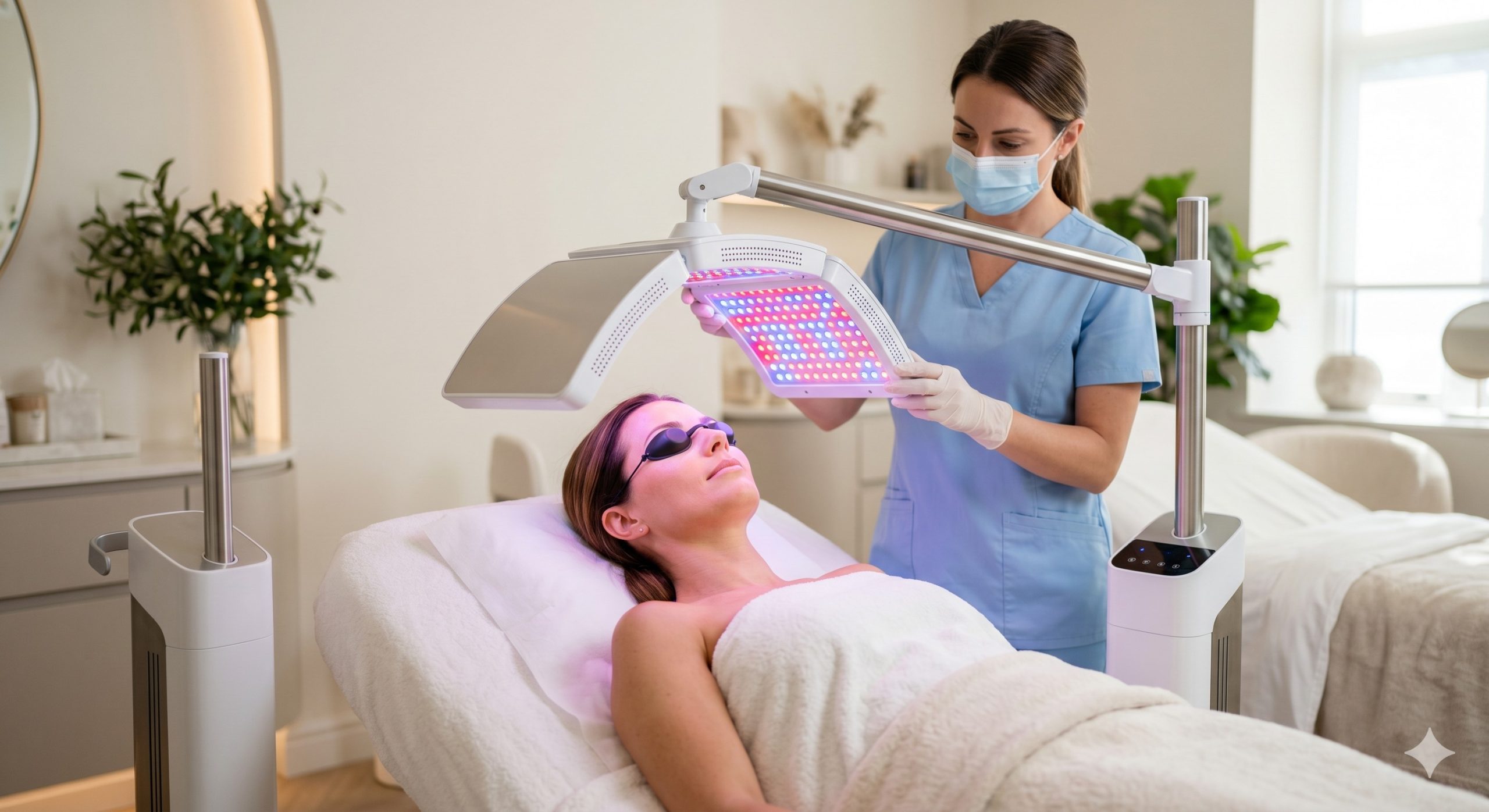
In the rapidly evolving landscape of medical aesthetics, what is led light therapy for skin has transitioned from a niche wellness trend to a cornerstone of clinical dermatology and med spa service offerings. Unlike high-fluence ablative lasers that rely on controlled tissue destruction, LED (Light Emitting Diode) phototherapy operates on the principle of photobiomodulation (PBM)—a non-thermal, non-invasive process where specific wavelengths of light trigger intracellular biochemical cascades. For the discerning clinic owner or dermatologist, understanding the technical nuances, clinical efficacy, and return on investment (ROI) of this technology is paramount. This guide dissects the physics, parameters, and protocols to help you integrate led light therapy for skin into a high-performance practice.
The Physical Mechanism: Beyond Simple Illumination
The therapeutic efficacy of led light therapy for skin is rooted in the absorption of photons by mitochondrial chromophores, specifically cytochrome c oxidase. This interaction increases adenosine triphosphate (ATP) production, modulates reactive oxygen species (ROS), and upregulates transcription factors that promote cellular repair and proliferation. However, not all wavelengths are created equal. The clinical outcome is entirely dependent on the fluence (energy density measured in J/cm²) and the specific wavelength (nm) that targets the desired chromophore.
Critical Wavelengths and Tissue Penetration
To maximize clinical outcomes, a professional-grade device must offer precise wavelength outputs. Here is the clinical breakdown of the most validated spectra:
- Blue Light (415nm – 470nm): Targets porphyrins produced by Cutibacterium acnes. It induces a photodynamic reaction that creates singlet oxygen, effectively eliminating acne-causing bacteria. Depth penetration is superficial (approx. 0.5mm), limiting its use to epidermal conditions.
- Red Light (630nm – 670nm): The gold standard for anti-aging and wound healing. It penetrates the dermis (approx. 1-2mm) and is highly absorbed by cytochrome c oxidase. This stimulates fibroblast activity, promoting collagen type I and III synthesis, and reducing inflammation.
- Near-Infrared (NIR) / Infrared (810nm – 880nm): This spectrum penetrates deeper into the subcutaneous tissue (approx. 2-5mm). It is highly effective for deep tissue repair, joint pain relief, and accelerating the resolution of bruising and edema post-procedure.
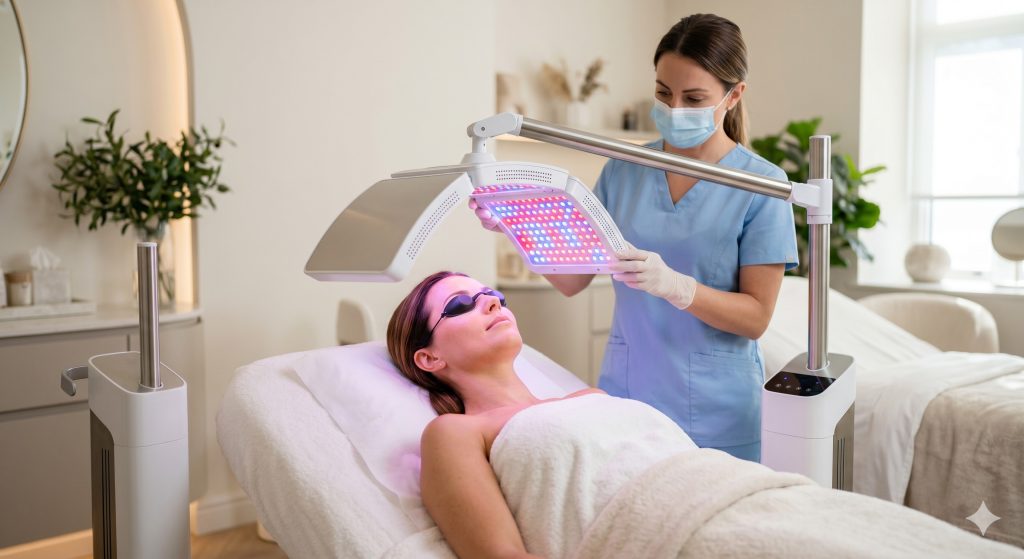
Advanced systems, such as those boasting Medical CE and FDA clearance, often utilize a synergistic combination of Red (633nm) and NIR (830nm) to simultaneously address the epidermal and dermal layers. The industry standard for high-intensity LED devices typically delivers a fluence of 40 to 150 J/cm² per session. It is crucial to distinguish between low-power consumer devices (10-50 mW/cm²) and medical-grade panels (100-200 mW/cm²) which require specific ISO 13485 certified manufacturing standards to ensure consistent output.
| Parameter | Clinical Specification |
|---|---|
| Wavelength Options | 415nm (Blue) / 633nm (Red) / 830nm (NIR) |
| Fluence (Energy Density) | 40 – 150 J/cm² (Medical-Grade) |
| Power Density (Irradiance) | 100 – 200 mW/cm² |
| Treatment Area Coverage | 600 – 1200 cm² (Large Spot Size) |
| Regulatory Standards | FDA 510(k) Cleared, Medical CE, ISO 13485 |
| LED Array Lifespan | 50,000+ Operational Hours |
Clinical Efficacy and Indications: A Data-Driven Evaluation
Quantified clinical clearance rates provide the most compelling argument for adopting led light therapy for skin. Clinical trials indicate that consistent treatments—typically 2-3 sessions per week for 4-6 weeks—yield measurable improvements. For anti-aging, studies demonstrate up to a 35% reduction in wrinkle volume and a 20% increase in dermal collagen density after 12 weeks of treatment. For acne, the combination of Blue and Red light has shown a reduction of inflammatory lesions by up to 70% in moderate to severe cases.
Fitzpatrick Skin Type Versatility
One of the primary advantages of led light therapy for skin is its exceptional safety profile across the Fitzpatrick Scale (I-VI). Unlike lasers that rely on selective photothermolysis and carry a risk of post-inflammatory hyperpigmentation (PIH) in darker skin types, LED therapy is non-thermal and does not discriminate based on melanin content. This makes it an indispensable tool for diverse patient demographics and a safe year-round treatment option.
Strategic Clinic Integration and ROI Analysis
From a business consultancy perspective, the integration of led light therapy for skin offers a compelling CapEx to OpEx model. The consumable costs are minimal—primarily the degradation of the LED arrays, which typically have a lifespan of 50,000 to 100,000 hours. With a high-throughput protocol, a single device can treat multiple patients per day.
- Treatment Speed: Modern panels offer large spot sizes (600-1200cm²), allowing for full-face or full-body treatments in under 20 minutes.
- Pricing Strategy: Med spas frequently price single sessions between $150 and $300. Packaging (e.g., 10-session protocols) creates significant upfront revenue, improving cash flow.
- Combination Therapy: LED therapy is not a replacement for injectables or energy-based devices; it is a force multiplier. It significantly improves recovery time post-laser resurfacing or microneedling, enhancing patient satisfaction and retention.
Regulatory Compliance and Patient Safety
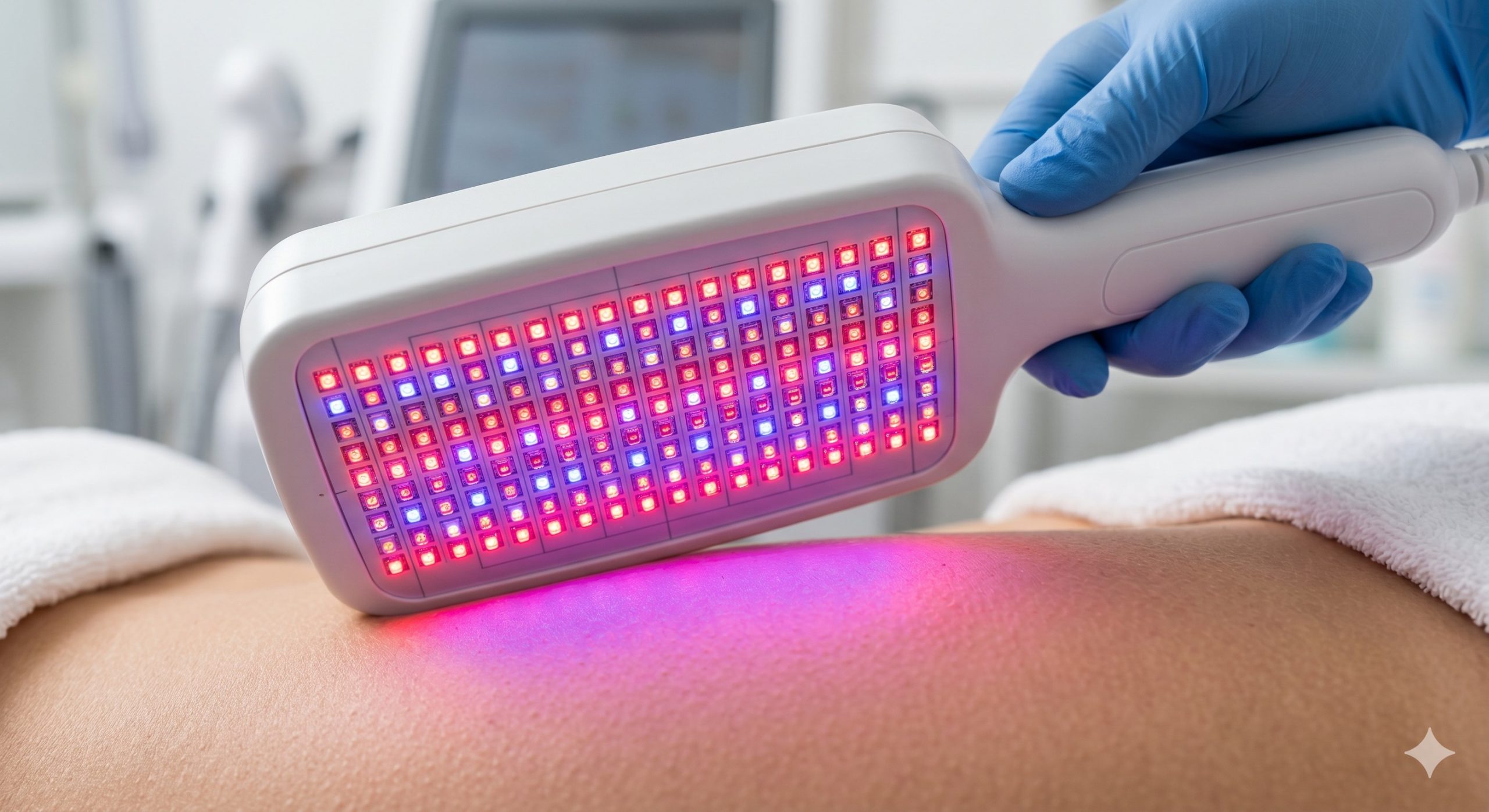
Ensuring patient safety is non-negotiable. When purchasing equipment, look for devices that have undergone rigorous third-party testing. The most reliable devices hold FDA 510(k) clearance for specific indications (e.g., wrinkle reduction, acne treatment). Additionally, look for Medical CE marking in Europe, which mandates strict adherence to the Medical Device Regulation (MDR) and ISO 13485 quality management systems. These certifications guarantee that the device’s output parameters—such as irradiance stability and the absence of harmful UV emissions—are consistent and safe.
Conclusion: The Verdict on LED Phototherapy
In summary, what is led light therapy for skin is a clinically validated, low-risk, high-reward modality that deserves a central place in any modern aesthetic practice. Its ability to deliver quantifiable results across a wide range of indications—from acne and rosacea to collagen remodeling and post-procedure recovery—makes it a versatile asset. By focusing on devices with verified technical specifications (proper wavelengths, high fluence, and validated cooling systems) and adhering to evidence-based protocols, clinics can maximize their ROI while delivering superior patient outcomes. The future of aesthetic medicine is moving toward synergistic, non-invasive therapies; LED phototherapy is the bedrock of this evolution.